
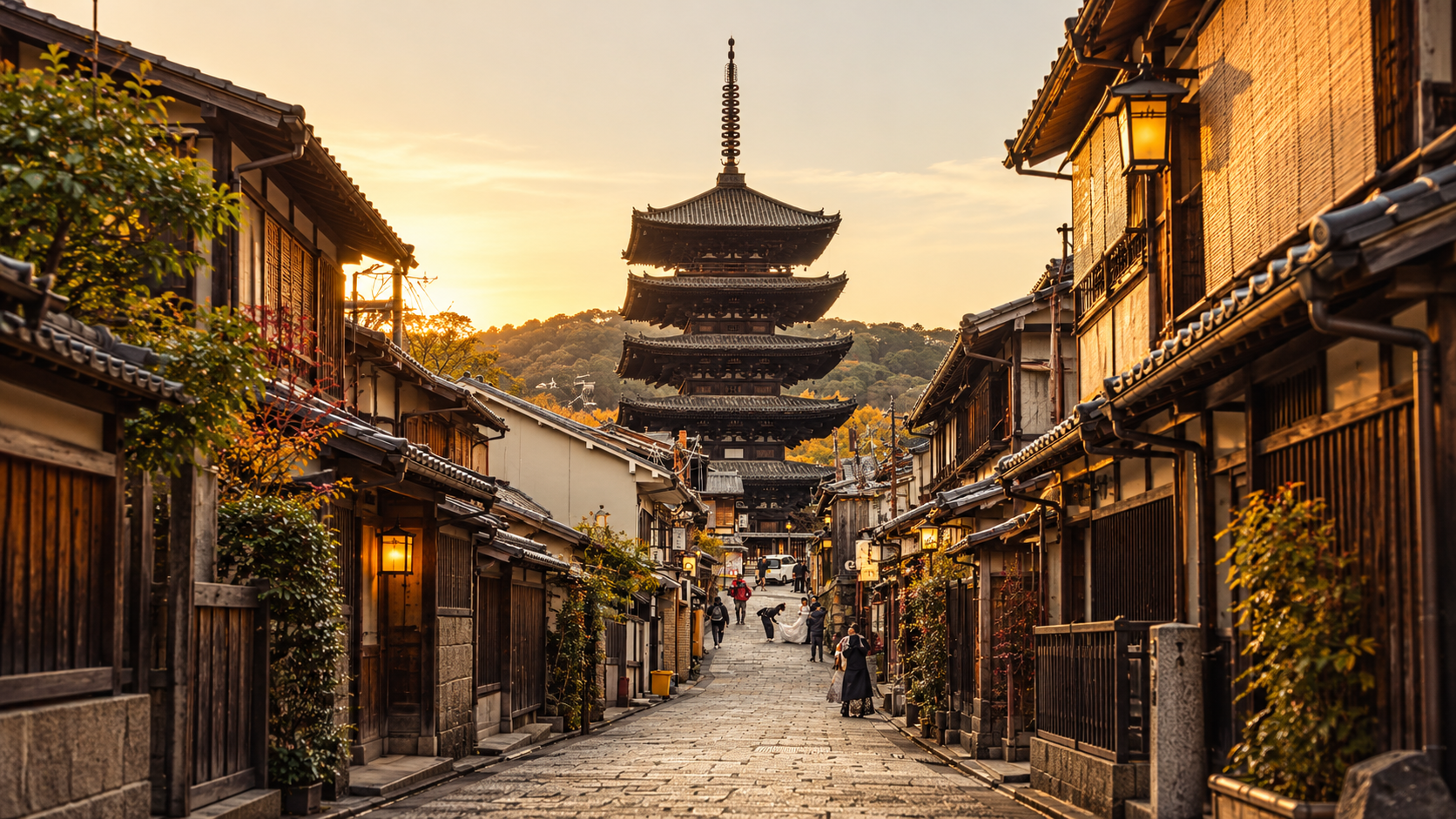
Tokyo may be where your first trip to Japan begins, but it doesn’t have to be where your understanding of the country ends.
Travel west and you’ll discover a different rhythm. In Kyoto, centuries-old temples sit alongside everyday neighborhoods and busy commuter streets. Osaka brings an energetic food culture, lively shopping districts, and a more informal urban atmosphere. In Nara, monumental temples, wooded parkland, and historic sites create an entirely different experience.
The good news is that you don’t need three separate trips to experience them.
Kyoto, Osaka, and Nara are all in Japan’s Kansai region, making them relatively easy to combine. The challenge isn’t finding enough things to see. It’s deciding how to organize your time without spending half your holiday changing hotels, navigating unfamiliar railway stations, or rushing between attractions.
That’s where thoughtful planning makes a real difference.
This guide focuses on the decisions that matter most: which city makes the best base, how many days you realistically need, which transport options make sense, what deserves advance planning, and which common mistakes are worth avoiding.
The goal isn’t to see everything. It’s to create a journey that feels rewarding rather than exhausting.
Starting your journey in Japan’s capital? Explore our Tokyo Beyond the Postcards guide to discover the city’s neighborhoods, culture, and experiences before continuing west to Kansai.
1. Why Visit Kansai After Tokyo?
Tokyo and Kansai offer two different perspectives on Japan, but they aren’t opposites.
Tokyo is often associated with its immense scale, contemporary neighborhoods, shopping, technology, and fast-moving urban life. Kansai adds a particularly rich concentration of historic architecture, traditional cultural experiences, distinctive local food, and destinations that work well together on a single trip.
For a first-time visitor, the three most practical places to consider are Kyoto, Osaka, and Nara.
Kyoto: History, Traditional Culture, and Slower Exploration
Kyoto is famous for its temples, shrines, traditional streets, gardens, and seasonal scenery.
It’s also a modern city where residents live and work. That distinction matters. Kyoto’s most photographed neighborhoods can become extremely busy, and visiting them respectfully requires more than simply arriving with a sightseeing checklist.
Kyoto is especially rewarding for travelers interested in architecture, Japanese history, traditional crafts, gardens, and experiences that benefit from having time to slow down.
Best suited to: Cultural exploration, temples and gardens, traditional neighborhoods, photography, and travelers who prefer spending longer in fewer places.
Osaka: Food, Energy, and Urban Convenience
Osaka offers a different atmosphere.
It’s known for lively entertainment districts, extensive shopping areas, local food culture, and convenient transport connections across Kansai.
While Kyoto often encourages visitors to explore individual historic areas, Osaka is particularly enjoyable for its urban neighborhoods, restaurants, nightlife, and the experience of moving between them.
It’s also worth considering as a base for travelers who want easy access to several destinations without changing accommodation repeatedly.
Best suited to: Food-focused trips, nightlife, shopping, urban exploration, and travelers who prefer an energetic city base.
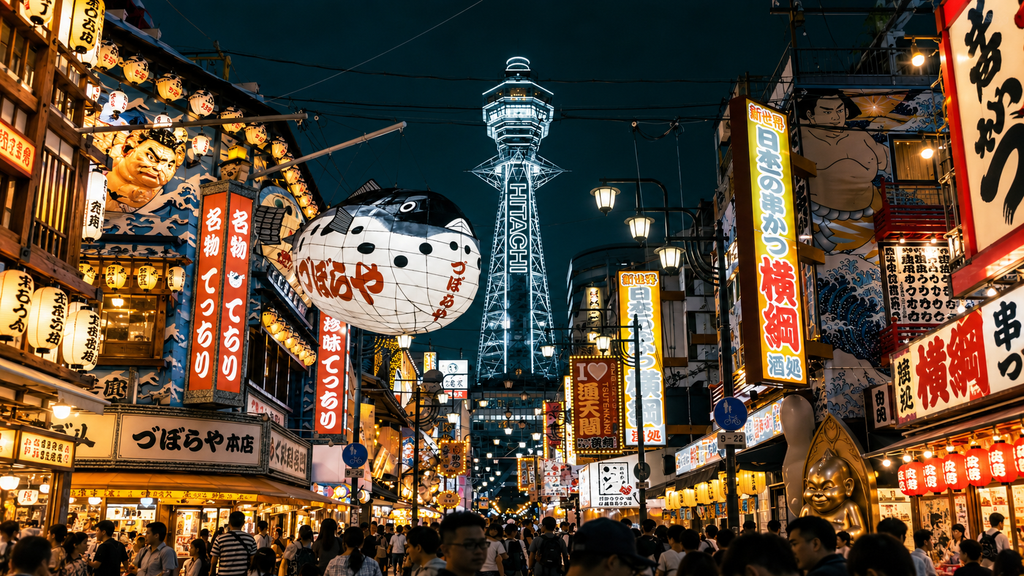
Buildward Lab Recommendation: Discover Osaka Through Its Food
For travelers who want to experience Osaka beyond its famous attractions, exploring Kuromon Market with a local guide is an excellent way to discover the city’s vibrant food culture.
The Kuromon Market Food Walking Tour combines a guided walk through the lively market with several tastings of Japanese specialties. It’s a rewarding option for first-time visitors who want to discover local flavors, learn more about Osaka’s culinary traditions, and explore the market without planning every stop themselves.
Explore the Kuromon Market Food Tour & Check Availability →
Affiliate disclosure: We may earn a commission if you book through this link, at no extra cost to you.
Nara: Ancient Heritage Without Another Hotel Change
Nara is often overlooked by visitors focused on Tokyo and Kyoto.
That’s a missed opportunity.
Its major historic sights include Tōdai-ji Temple, Nara Park, and important religious and cultural sites associated with Japan’s early history.
For many travelers, the most practical way to visit is as a day trip from Kyoto or Osaka. This avoids another hotel change while leaving enough time for a rewarding introduction to the city.
Nara’s famous deer are part of the experience, but they are wild animals, not tourist props. Respecting their space is an important part of visiting responsibly.
Best suited to: A cultural day trip, temple visits, historic parkland, and travelers who want something different without relocating.
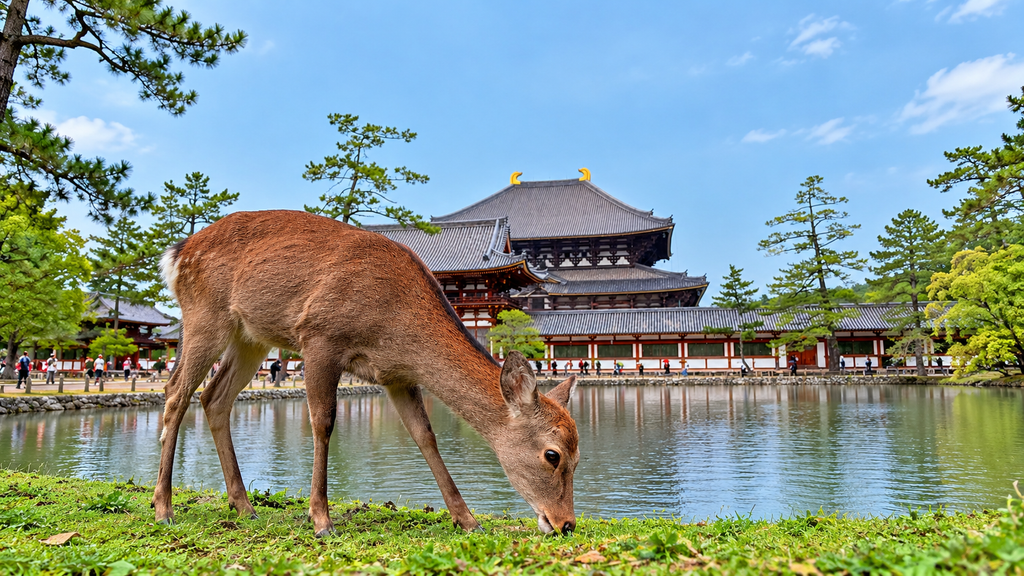
Buildward Lab Recommendation: Discover Nara with a Local Guide
If you prefer exploring Nara with local insight rather than navigating its historic sites entirely on your own, consider the Nara Early Morning Tour.
This guided walking experience introduces travelers to Nara’s cultural heritage, including famous landmarks such as Tōdai-ji Temple, Nara Park, Kōfuku-ji, and Kasuga Taisha. An early start offers a rewarding way to discover the city’s history and atmosphere.
Departure options are available from Kyoto or Osaka, depending on the booking selected. Check the meeting point, transport arrangements, and admission fees before confirming.
Explore the Nara Early Morning Tour & Check Availability →
Affiliate disclosure: We may earn a commission if you book through this link, at no extra cost to you.
The First Decision: Don’t Treat All Three Cities Equally
One of the easiest mistakes to make is assuming that Kyoto, Osaka, and Nara each require a separate hotel.
They don’t.
For a short Kansai visit, choosing one base and making day trips can be more efficient than moving luggage between cities.
For a longer stay, splitting your time between Kyoto and Osaka may make sense if you want to experience both cities in the early morning or evening without returning to another city every night.
Nara usually fits naturally into either approach as a day trip.
The right choice depends on your interests, the number of nights available, your accommodation location, and how comfortable you are navigating public transport.
Buildward Lab Planning Tip: Choose your overnight base before filling your itinerary with attractions. A convenient hotel location can save more time than an ambitious sightseeing schedule.
2. Where Should You Stay: Kyoto or Osaka?
Choosing between Kyoto and Osaka as your accommodation base is one of the most important planning decisions for a trip through Kansai.
Both cities offer convenient access to regional transport, but they provide different travel experiences. Kyoto may be a better fit if your priority is exploring temples, traditional neighborhoods, and historic districts. Osaka may be more convenient if you prefer nightlife, food-focused experiences, and a lively urban atmosphere.
However, the city itself is only part of the decision. The location of your hotel, its distance from the right railway station, and your planned day trips can make a significant difference to how much time you spend traveling.
The key is not simply choosing Kyoto or Osaka. It’s choosing the location that works best for your itinerary.
Where to Stay in Kyoto: Choosing the Right Neighborhood
Important: Kyoto’s Accommodation Tax (Updated March 2026)
Kyoto charges an accommodation tax per person, per night. Since March 1, 2026, the amount depends on the accommodation price per person per night:
- Under ¥6,000: ¥200
- ¥6,000–¥19,999: ¥400
- ¥20,000–¥49,999: ¥1,000
- ¥50,000–¥99,999: ¥4,000
- ¥100,000 or more: ¥10,000
The tax applies to accommodation in Kyoto City and may be collected separately from your original booking payment.
Buildward Lab Tip: Before confirming your hotel, check whether the accommodation tax is included in the displayed total. For longer stays or more expensive hotels, this additional cost can make a noticeable difference to your budget.
Kyoto has several excellent areas for accommodation, but the best choice depends on how you plan to spend your days. Staying near a convenient railway or subway station can make sightseeing considerably easier, especially during busy travel seasons.
Kyoto Station Area — Best for Transport Connections
The area around Kyoto Station is a practical choice for first-time visitors, especially those arriving by Shinkansen or planning day trips to other destinations.
The station provides access to JR trains, the subway, and regional transport connections. It’s particularly convenient for visiting Fushimi Inari Shrine and Arashiyama by train.
You’ll find a wide selection of hotels, restaurants, shops, and luggage storage facilities nearby.
Potential drawback: Kyoto Station is not within walking distance of every major historic district. Visiting places such as Gion and eastern Kyoto usually requires additional transport.
Buildward Lab Tip: Check the walking distance from your hotel to the station entrance you’ll actually use. A hotel advertised as “near Kyoto Station” may still involve a longer walk than expected, particularly with luggage.
Shijo-Karasuma & Shijo-Kawaramachi — Best for Dining, Shopping, and Central Kyoto
These neighboring areas are excellent choices for travelers who want to stay in the heart of Kyoto, with restaurants, shops, and lively streets within easy reach.
Shijo-Karasuma is particularly practical for transport. Shijo Subway Station and Hankyu Karasuma Station are connected, providing convenient access to Kyoto Station and railway services toward Osaka.
Shijo-Kawaramachi has a livelier atmosphere, with shopping streets, restaurants, and Nishiki Market nearby. Gion and the Kamo River are also within walking distance, depending on your hotel’s exact location.
Potential drawback: These central districts can be busy, especially during weekends and peak travel seasons. Not every hotel is equally convenient for reaching Kyoto’s more distant attractions.
Buildward Lab Tip: Before booking, check whether your hotel is closer to Shijo Subway Station, Hankyu Kyoto-Kawaramachi Station, or Keihan Gion-Shijo Station. These are different stations, and choosing the right one for your planned routes can save unnecessary walking and transfers.
Gion & Southern Higashiyama — Best for Traditional Atmosphere and Historic Streets
If your dream of Kyoto includes narrow streets, wooden townhouses, historic temples, and atmospheric evening walks, Gion and Southern Higashiyama are worth considering.
Staying in this area puts you close to some of Kyoto’s most recognizable sights, including Yasaka Shrine, Kōdai-ji Temple, and the historic streets around Ninenzaka and Sannenzaka.
One of the biggest advantages is the opportunity to explore nearby streets early in the morning, before the busiest sightseeing hours, or enjoy the neighborhood after many day visitors have left.
Potential drawback: Accommodation can be expensive, and some historic streets are steep or less convenient for travelers carrying large suitcases. Depending on your hotel’s location, reaching Kyoto Station may require a bus, taxi, or a combination of walking and rail transport.
Important etiquette: Gion is a residential and working neighborhood, not an open-air attraction. Respect private property, obey photography restrictions, and never stop or chase geiko and maiko for photographs.
Buildward Lab Tip: Choose accommodation near a convenient public street and transport connection rather than simply booking the most picturesque address. Check the walking route with luggage, especially if your hotel is located on a hillside or along narrow historic streets.
Arashiyama — Best for Nature, Scenic Walks, and a Quieter Stay
Located in western Kyoto, Arashiyama offers a different experience from the city’s busy central districts. The area is known for its bamboo grove, the gardens of Tenryū-ji Temple, the Togetsukyō Bridge, and beautiful mountain scenery.
Staying here can be particularly rewarding for travelers who want to explore early in the morning, before the main sightseeing crowds arrive.
Arashiyama also offers traditional accommodation options, including ryokan stays that can become a memorable part of the trip.
Potential drawback: Arashiyama is farther from many major attractions in eastern Kyoto. Repeated journeys across the city can consume valuable sightseeing time, especially if your itinerary includes Gion, Kiyomizu-dera, and other eastern districts.
The area has several railway connections, including JR Saga-Arashiyama, Hankyu Arashiyama, and Randen Arashiyama stations. However, these stations are not interchangeable, so check which one is most convenient for your accommodation and daily routes.
Buildward Lab Tip: For a first visit focused on exploring Kyoto’s major sights, staying near Kyoto Station or in central Kyoto is generally more practical. Consider Arashiyama for a slower-paced stay, a special ryokan experience, or an additional night rather than automatically choosing it as your main base.
Important: Kyoto’s Accommodation Tax (Updated March 2026)
Kyoto charges an accommodation tax per person, per night. Since March 1, 2026, the amount depends on the accommodation price per person per night:
- Under ¥6,000: ¥200
- ¥6,000–¥19,999: ¥400
- ¥20,000–¥49,999: ¥1,000
- ¥50,000–¥99,999: ¥4,000
- ¥100,000 or more: ¥10,000
The tax applies to accommodation in Kyoto City and may be collected separately from your original booking payment.
Buildward Lab Tip: Before confirming your hotel, check whether the accommodation tax is included in the displayed total. For longer stays or more expensive hotels, this additional cost can make a noticeable difference to your budget.
Where to Stay in Osaka: Choosing the Right Neighborhood
Umeda & Osaka Station — Best for Transport Connections and Day Trips
Umeda is one of Osaka’s most convenient areas for travelers who plan to explore several destinations in the Kansai region. It’s a major commercial and transportation hub, with shopping centers, restaurants, hotels, and extensive railway connections.
From JR Osaka Station, the Special Rapid Service reaches Kyoto Station in approximately 30 minutes. Hankyu Railway also connects Osaka-Umeda with central Kyoto, making this area particularly practical for travelers planning day trips.
Important distinction: Osaka Station and Shin-Osaka Station are not the same place. Shinkansen bullet trains stop at Shin-Osaka, while Osaka Station serves as a major hub for local and regional trains. The two stations are connected by JR services.
Potential drawback: The Osaka-Umeda station complex is large and can be confusing, especially for first-time visitors. Several railway operators use different stations and entrances within the same general area.
Umeda also has a more commercial atmosphere than Namba, so it may be less appealing to travelers who want to step directly into Osaka’s famous nightlife districts.
Buildward Lab Tip: When choosing accommodation, check the exact station and exit nearest your hotel. A hotel described as “near Umeda” may still require a considerable walk through underground passages or busy streets. If you’re arriving with heavy luggage, this detail matters.
Namba & Dotonbori — Best for Food, Nightlife, and First-Time Visitors
Namba is one of Osaka’s most popular areas for visitors who want to experience the city’s energetic atmosphere. Its streets are filled with restaurants, shopping areas, entertainment venues, and easy access to the famous Dotonbori district.
Staying here is particularly convenient for travelers who enjoy exploring on foot, trying local food, and experiencing Osaka after dark.
Namba also offers useful transport connections. Nankai Railway provides direct services between Kansai International Airport and Nankai Namba Station, while Osaka Metro connects the area with other parts of the city.
Important distinction: Namba is served by several railway operators, including Nankai, Osaka Metro, JR, and Kintetsu/Hanshin. Their stations are not all in the same location, so the word “Namba” on a hotel listing does not automatically mean convenient access to every train.
Potential drawback: Dotonbori and the surrounding entertainment streets can be crowded and noisy, particularly in the evenings and on weekends. Hotels directly beside major nightlife streets may not be ideal for travelers who prefer quiet accommodation.
Buildward Lab Tip: Choose a hotel within a comfortable walking distance of a station, but consider staying a few streets away from Dotonbori’s busiest area. You can enjoy Osaka’s nightlife without necessarily sleeping in the middle of it.
Honmachi — Best for a Quieter, Well-Connected Stay
Honmachi is a practical alternative for travelers who want good transport connections without staying in Osaka’s busiest entertainment districts.
Located between Umeda and Namba, this largely commercial area offers business hotels, restaurants, and convenient access to Osaka Metro.
Honmachi Station is served by the Midosuji, Chuo, and Yotsubashi subway lines. The Midosuji Line provides direct connections to Umeda, Namba, and Shin-Osaka, making the area useful for sightseeing and onward travel.
Potential drawback: Honmachi has fewer major tourist attractions and less nightlife immediately around the station. Some streets can feel relatively quiet after business hours.
Buildward Lab Tip: Honmachi is worth comparing with Umeda and Namba when hotel prices are high. A well-located hotel near the Midosuji Line may offer a convenient base without the crowds and noise of the main entertainment areas. However, always compare the total journey time to your planned destinations, not just the hotel’s nightly rate.
Shin-Osaka — Best for Shinkansen Connections and Early Departures
Shin-Osaka is worth considering if your itinerary includes frequent long-distance train journeys or an early Shinkansen departure.
The station is a major stop on the Tokaido and Sanyo Shinkansen routes, providing connections toward Tokyo, Kyoto, Hiroshima, and other destinations. The Osaka Metro Midosuji Line also connects Shin-Osaka directly with Umeda and Namba.
Potential drawback: The immediate surroundings are more practical than atmospheric. Shin-Osaka doesn’t offer the same concentration of restaurants, nightlife, and sightseeing opportunities as central Osaka.
Staying here solely because you plan to take one Shinkansen train may not be necessary. Many travelers can reach Shin-Osaka conveniently from other parts of the city.
Buildward Lab Tip: Consider Shin-Osaka when train convenience is your main priority, especially before an early departure. Otherwise, compare hotels in Umeda, Namba, or Honmachi before making your decision. The most convenient station for leaving Osaka isn’t always the best place to enjoy your stay.
Kyoto vs Osaka: Which City Is the Better Base?
There is no single best accommodation base for everyone visiting Kansai. The right choice depends on your interests, the location of your hotel, and how you plan to divide your sightseeing days.
Choose Kyoto if:
- Your main interests are temples, shrines, gardens, and traditional neighborhoods.
- You want to explore popular historic areas early in the morning, before the busiest crowds arrive.
- You plan to spend most of your time sightseeing in Kyoto.
- You prefer atmospheric evening walks over busy nightlife districts.
Choose Osaka if:
- You enjoy food, shopping, nightlife, and energetic city neighborhoods.
- You plan to explore several Kansai destinations using regional train connections.
- You prefer a lively urban base with restaurants and entertainment nearby.
- You find accommodation with better overall value and convenient transport access.
Buildward Lab Tip: Count the days you plan to spend in each city before choosing your hotel. If most of your activities are in Kyoto, staying in Osaka simply because the hotel is cheaper could mean additional transport costs and commuting time. The reverse can also be true.
Should You Split Your Stay Between Kyoto and Osaka?
Staying in both cities can be worthwhile, but it isn’t always the most efficient choice.
For a short Kansai visit of three or four nights, choosing one well-connected base is often simpler. You can explore the other city by train without packing your luggage, checking out, and checking into another hotel.
For a longer visit of five or more nights, splitting your stay may be worthwhile if you want to experience Kyoto’s quieter mornings and Osaka’s nightlife without commuting between the cities every day.
However, changing hotels involves more than the train journey itself. You also need to consider packing, checkout and check-in times, luggage storage, and travel between stations and accommodation.
Buildward Lab Tip: Before booking two hotels, compare the time required for a hotel change with the time you would spend making day trips. If moving accommodation doesn’t offer a clear advantage, staying in one place may make your journey easier and more enjoyable.
Before Booking Your Hotel: Five Things to Check
A hotel that looks conveniently located on a map isn’t necessarily the most practical choice for your itinerary.
Before making a reservation, check:
- The nearest station: Confirm its exact name, railway operator, and walking distance from your hotel.
- Your daily routes: Check how long it takes to reach the attractions you plan to visit, including transfers and walking.
- Airport connections: Consider how easily you can reach your accommodation from your arrival airport, especially with luggage.
- The total accommodation cost: Include local accommodation taxes and any additional charges shown during booking.
- Luggage arrangements: Check whether the hotel can store your bags before check-in or after checkout.
Buildward Lab Tip: Compare two or three hotels using actual journeys in a route-planning app, not just their distance from the city center. Spending a few minutes checking transport connections before booking can save hours during your trip.
3. How Many Days Do You Need for Kyoto, Osaka & Nara?
One of the most common mistakes when planning a trip to Japan is trying to fit too many destinations into too few days.
Kyoto, Osaka, and Nara are relatively close to one another, but short train journeys don’t necessarily mean quick sightseeing days. Traveling between attractions, navigating stations, waiting in queues, and allowing time for meals can take longer than expected.
For most first-time visitors, four to five full days in Kansai provide a more comfortable introduction to these three destinations. Three days are possible, but require careful prioritization. Six or more days allow for slower exploration, additional neighborhoods, and greater flexibility.
Remember that arrival and departure days may not count as full sightseeing days, especially when traveling from Tokyo or connecting to an international flight.
Buildward Lab Tip: Plan around the experiences that matter most to you, rather than trying to visit every famous attraction. A realistic itinerary with time to explore is usually more rewarding than an overcrowded schedule.
3 Days in Kansai: What Can You Realistically See?
Day 1 — Kyoto: Historic Streets, Temples, and Traditional Atmosphere
Dedicate your first full day to exploring eastern Kyoto rather than trying to visit attractions scattered across the entire city.
Start at Kiyomizu-dera Temple, then explore the historic streets of Sannenzaka and Ninenzaka. Continue toward Yasaka Shrine and the nearby Gion district, allowing time for lunch, photographs, and exploring at a comfortable pace.
This route brings together several of Kyoto’s most recognizable sights without requiring constant journeys across the city.
What to expect: Popular streets and temples can become extremely crowded, especially during cherry blossom season, autumn foliage season, and weekends. Starting early can make the experience more enjoyable.
Buildward Lab Tip: Avoid adding Arashiyama and Fushimi Inari to the same day just to fit more famous attractions into your itinerary. Both deserve proper consideration, and traveling between distant sightseeing areas can turn a rewarding day into a rushed checklist.
Day 2 — Osaka: Castle Park, Street Food, and City Life
Spend your second day experiencing Osaka’s energetic atmosphere, combining a historic landmark with some of the city’s most enjoyable food and entertainment districts.
Start at Osaka Castle Park, where you can explore the grounds and admire the castle’s exterior. If you want to visit the museum inside, allow additional time and check current admission arrangements before your visit.
Later, head toward the Namba area. Explore the streets around Dotonbori, famous for its illuminated signs, restaurants, and lively atmosphere. Nearby Hozenji Yokocho offers a contrasting setting, with narrow lanes and a small historic temple.
Leave time to enjoy Osaka’s local food culture. Takoyaki and okonomiyaki are two well-known specialties worth trying, but you don’t need to visit the most crowded restaurants to enjoy them.
What to expect: Osaka Castle Park and Namba are in different parts of the city, so allow time for a subway journey and walking. Dotonbori is particularly lively in the evening, making it a good place to finish the day.
Buildward Lab Tip: Don’t fill every hour with attractions. Osaka is a city where wandering through neighborhoods, discovering small restaurants, and enjoying the evening atmosphere can be just as memorable as visiting famous landmarks.
Day 3 — Nara: Ancient Temples, Sacred Deer, and Peaceful Parkland
Spend your third day exploring Nara, one of Japan’s most historically significant cities and an excellent day-trip destination from either Kyoto or Osaka.
Start at Nara Park, where you can walk through spacious green areas and encounter the city’s famous free-roaming deer.
Continue to Tōdai-ji Temple, home to the impressive Great Buddha Hall and one of the most important cultural landmarks in Nara.
If time and energy allow, follow the wooded paths toward Kasuga Taisha Shrine, known for its traditional lanterns and peaceful forest setting.
Allow time for lunch and a relaxed walk through the historic streets around Naramachi before returning to your accommodation.
What to expect: Nara’s major attractions involve considerable walking, and some routes include slopes or uneven paths. Wear comfortable shoes and avoid planning too many additional stops.
Important wildlife etiquette: Nara’s deer are wild animals. Feed them only the designated deer crackers (shika senbei), keep other food securely stored, and never tease or chase them. Deer may bite, kick, or headbutt visitors, particularly when expecting food.
Buildward Lab Tip: If you plan to explore Nara Park and Tōdai-ji, compare routes arriving at Kintetsu-Nara Station and JR Nara Station. Kintetsu-Nara is generally closer to the main park area, but the best option depends on your departure station and available rail connections.
Is Three Days Enough for Kyoto, Osaka, and Nara?
Three full days are enough for a first introduction to these destinations, but not for exploring them in depth.
This itinerary prioritizes one focused day in each city. It leaves out several popular attractions, including Kyoto’s Arashiyama Bamboo Grove and Fushimi Inari Shrine, rather than squeezing them into an already busy schedule.
If traditional Japanese culture is your main interest, consider spending two days in Kyoto and visiting either Osaka or Nara on the third day.
Buildward Lab Tip: Treat this three-day itinerary as a flexible starting point, not a checklist you must complete. If you arrive from Tokyo on your first day, allow for the journey and hotel check-in rather than expecting three uninterrupted sightseeing days.
5 Days in Kansai: A More Balanced Kyoto, Osaka & Nara Itinerary
Day 1 — Kyoto: Explore Historic Higashiyama Without Rushing
Begin your five-day Kansai journey in eastern Kyoto, where traditional streets, historic temples, and atmospheric neighborhoods are concentrated within a relatively manageable area.
Start at Kiyomizu-dera Temple, allowing time to explore the temple grounds and enjoy the views over Kyoto.
Continue downhill through Sannenzaka and Ninenzaka, two historic streets known for their traditional architecture, small shops, and picturesque surroundings.
After lunch, explore the area around Kōdai-ji Temple and Yasaka Shrine before continuing toward Gion.
Rather than rushing between attractions, leave time to discover quieter side streets, enjoy a traditional tea break, or simply appreciate the atmosphere.
What makes this itinerary practical: The main stops follow a logical walking route through eastern Kyoto, reducing unnecessary journeys across the city.
Common mistake to avoid: Don’t assume that arriving early at Kiyomizu-dera means the surrounding streets will remain quiet all morning. Popular areas can fill quickly, especially during peak travel seasons.
Buildward Lab Tip: Wear comfortable walking shoes. Higashiyama has sloping streets, steps, and uneven surfaces. Check temple opening hours before visiting, and remember that some residential streets in Gion have photography and access restrictions.
Day 2 — Kyoto: Arashiyama Bamboo Grove, Temples, and Riverside Scenery
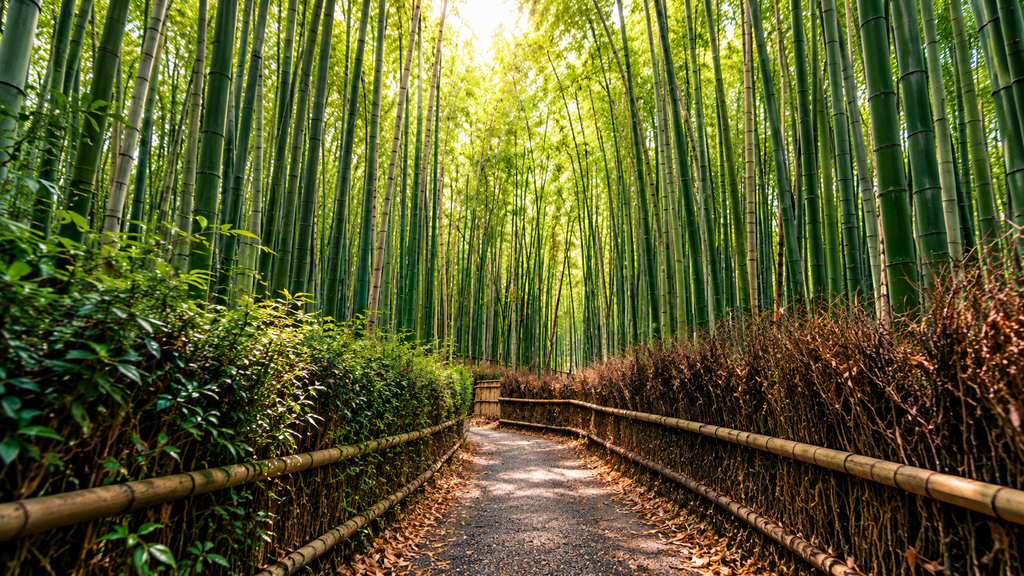
Dedicate your second day to Arashiyama, in western Kyoto. This scenic district combines bamboo forests, historic temples, mountain views, and pleasant walking routes.
Start in the morning at the famous Arashiyama Bamboo Grove. The paths are open to visitors, but the area can become crowded quickly, so arriving early can make the experience more enjoyable.
Continue to Tenryū-ji Temple, a UNESCO World Heritage Site known for its landscaped garden and mountain backdrop. Check current admission fees and opening hours before your visit.
Afterward, walk toward Togetsukyō Bridge and enjoy the scenery along the Katsura River. Allow time for lunch and exploring the surrounding streets.
If you prefer a quieter afternoon, consider walking toward the Saga-Toriimoto area, where traditional streets and historic surroundings offer a different perspective on western Kyoto. This adds walking time, so treat it as an optional extension rather than a required stop.
What makes this itinerary practical: Instead of crossing Kyoto repeatedly, you spend the day exploring one geographical area at a comfortable pace.
Common mistake to avoid: Trying to combine Arashiyama, Fushimi Inari, Kiyomizu-dera, and several other major attractions in a single day. Although these places are all in Kyoto, traveling between them can consume considerable time.
Buildward Lab Tip: Arashiyama has several different railway stations served by JR, Hankyu, and Randen. Before leaving your hotel, check which station is most convenient for your planned walking route. The closest station on the map isn’t always the most convenient one for your journey.
Buildward Lab Recommendation: Explore Arashiyama with a Local Guide
If you prefer exploring Arashiyama with a knowledgeable local guide, consider the Arashiyama Bamboo Forest, Monkey Park & Temple Tour.
This guided walking experience combines the famous bamboo grove with Tenryū-ji Temple and the scenic Iwatayama Monkey Park. It’s a practical alternative for travelers who want to discover the area’s highlights without planning every stop themselves.
The tour takes approximately 3–4 hours. Keep in mind that reaching Monkey Park involves an uphill walk, so comfortable footwear is recommended.
Explore the Arashiyama Guided Tour & Check Availability →
Affiliate disclosure: We may earn a commission if you book through this link, at no extra cost to you.
Day 3 — Kyoto: Fushimi Inari Shrine and the Heart of the City
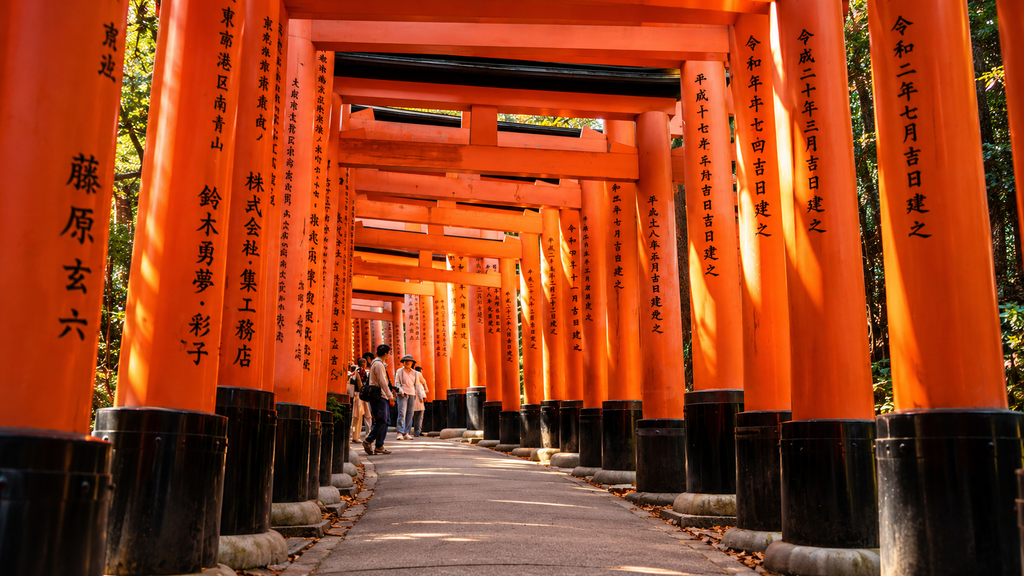
Begin your third day at Fushimi Inari Taisha, one of Kyoto’s most recognizable shrines, famous for the thousands of vermilion torii gates that line its wooded mountain paths.
Arriving early can help you enjoy the lower sections before the busiest crowds gather. You don’t need to complete the entire mountain circuit to have a rewarding visit.
If you enjoy hiking, allow additional time to explore farther uphill, where the paths become more demanding and some sections are less crowded.
After your visit, return toward central Kyoto for lunch and a slower afternoon.
Explore Nishiki Market, known for its food stalls and specialty shops. Try local flavors, browse traditional products, and respect individual vendors’ rules about eating and photography.
You can then spend time around Teramachi and Shinkyogoku shopping streets or relax along the Kamo River.
What makes this itinerary practical: Fushimi Inari is the main sightseeing priority of the morning, while the afternoon remains flexible. This avoids combining several distant temples into one exhausting day.
Common mistake to avoid: Underestimating the walking involved at Fushimi Inari. The mountain paths include numerous steps, and completing the full route takes considerably longer than visiting the lower torii gates.
Buildward Lab Tip: JR Inari Station is conveniently located near the shrine entrance. Bring water, wear comfortable shoes, and decide how far you want to climb based on the weather and your energy level. At Nishiki Market, follow the market’s etiquette guidance and avoid eating while walking.
Day 4 — Nara: Ancient Temples, Sacred Deer, and Historic Neighborhoods
After three days exploring Kyoto, spend your fourth day discovering Nara, one of Japan’s former capitals and an important center of Japanese Buddhist history.
Nara is easily accessible by train from Kyoto or Osaka, making it an excellent day trip without changing hotels.
Start at Nara Park and Tōdai-ji Temple. Explore the parkland before visiting the Great Buddha Hall, home to an enormous bronze Buddha statue. Allow time to appreciate the temple complex rather than rushing through it.
Continue toward Kasuga Taisha Shrine, famous for its stone and bronze lanterns. The surrounding wooded paths offer a quieter contrast to the busiest areas of Nara Park.
In the afternoon, explore Naramachi, a historic neighborhood with traditional buildings, small shops, cafés, and a slower atmosphere. It is a pleasant place to finish your visit before returning by train.
What makes this itinerary practical: The main sights can be combined into a walking-focused day, although distances are greater than they may appear on a map. You can shorten the route if necessary.
Common mistakes to avoid:
- Choosing the wrong arrival station: Kintetsu-Nara Station is generally closer to Nara Park than JR Nara Station. Compare the complete journey from your hotel, not just the train fare.
- Treating the deer like pets: They are wild animals and may bite, kick, or headbutt. Feed them only designated deer crackers, never human food, and avoid teasing or crowding them.
- Underestimating walking distances: The route between Tōdai-ji, Kasuga Taisha, and Naramachi can involve considerable walking.
- Arriving too late: Major temples and shrines may close earlier than nearby restaurants and shops. Check current visiting hours before deciding your route.
Buildward Lab Tip: Keep your itinerary flexible. If the weather is poor or you prefer a slower day, focus on Tōdai-ji, Nara Park, and Naramachi rather than trying to visit every major site. A shorter, enjoyable visit is better than an exhausting checklist.
Day 5 — Osaka: Castle Park, Local Food, and the City’s Vibrant Nightlife
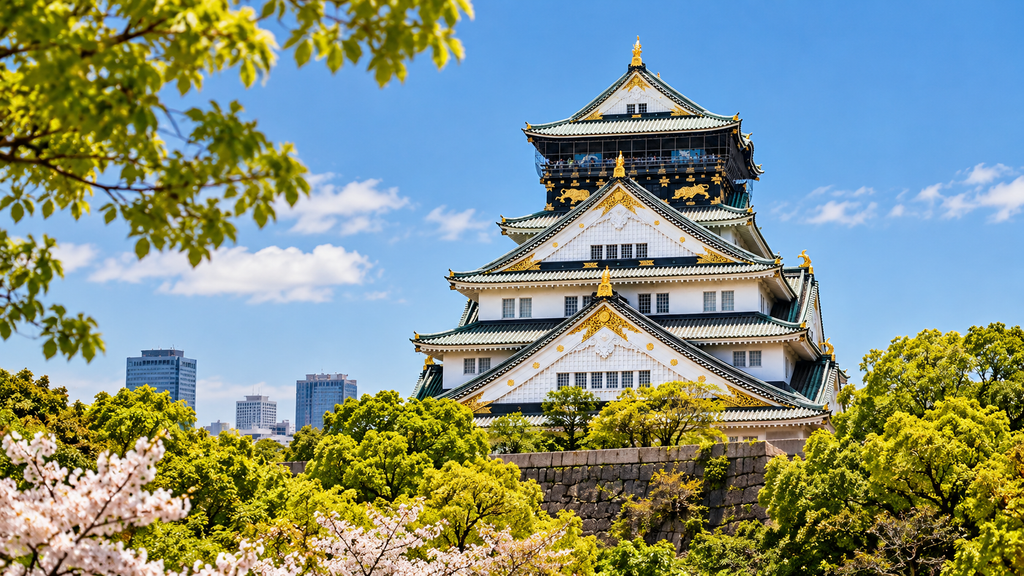
Finish your five-day Kansai journey in Osaka, a city known for its energetic neighborhoods, food culture, and lively entertainment districts.
Start at Osaka Castle Park. Explore the spacious grounds, admire the castle’s impressive exterior, and enjoy the surrounding gardens. If you’re interested in Japanese history, consider visiting the museum inside Osaka Castle. Check current opening hours, ticket prices, and admission arrangements before your visit.
Afterward, head toward the Namba district for lunch and an afternoon of exploring.
Walk through the shopping streets around Shinsaibashi and Dotonbori, where you’ll find restaurants, shops, entertainment venues, and some of Osaka’s most recognizable city scenery.
Take time to try local specialties such as takoyaki (octopus-filled batter balls) and okonomiyaki (a savory pancake). Compare restaurant menus and prices rather than automatically joining the longest tourist queues.
In the evening, enjoy Dotonbori’s illuminated signs and lively atmosphere. For a quieter contrast, explore nearby Hozenji Yokocho, a narrow lane with traditional character.
What makes this itinerary practical: The day combines one major historic attraction with nearby shopping and dining districts, leaving the evening free to experience Osaka after dark.
Common mistakes to avoid:
- Underestimating travel time: Osaka Castle and Dotonbori are not within a short walking distance. Plan a subway journey between the areas.
- Overloading the day: Adding Universal Studios Japan or several distant attractions would require a substantially different itinerary.
- Following crowds blindly: The busiest restaurants are not necessarily the best choice for your budget or preferences.
- Ignoring your departure plans: If you’re leaving Osaka that evening, allow sufficient time to collect your luggage and reach your train station or airport.
Buildward Lab Tip: If you have an early departure the following morning, check your transport connections before enjoying Osaka’s nightlife. The last evening should be memorable, not stressful.
Buildward Lab Recommendation: Experience Dotonbori from the Water
If you’d like to experience Osaka’s vibrant atmosphere from a different perspective, consider the Osaka Dotonbori River Cruise with Walking Tour.
This approximately two-hour guided experience combines a walk through Dotonbori’s lively streets and hidden corners with a scenic river cruise. It’s an enjoyable way to discover the district’s famous neon-lit scenery, local character, and energetic atmosphere without planning every stop yourself.
For travelers spending their final evening in Osaka, this can be a memorable addition to the itinerary. Check available departure times and allow enough flexibility if you’re traveling onward that day.
Explore the Osaka Dotonbori River Cruise & Check Availability →
Affiliate disclosure: We may earn a commission if you book through this link, at no extra cost to you.
Is Five Days Enough for Kyoto, Osaka, and Nara?
Five full days offer a good balance for first-time visitors who want to experience the cultural highlights of Kyoto, discover Nara, and enjoy Osaka without changing destinations every morning.
This itinerary gives Kyoto three days because its major sightseeing areas are spread across the city. Nara works well as a day trip, while Osaka provides a lively introduction to the region’s food culture and urban attractions.
However, five days are not enough to see everything. Travelers interested in museums, traditional workshops, hiking, theme parks, or slower exploration may benefit from extending their stay.
Buildward Lab Tip: If you’re traveling from Tokyo, consider arriving in Kansai the evening before your first planned sightseeing day. This allows you to begin the itinerary without losing valuable morning hours to transport and hotel check-in. Compare the extra night’s accommodation cost with the time you would gain.
6–7 Days in Kansai: Explore More Without Rushing
Day 6 — Osaka: Discover the Waterfront and Enjoy a Slower Day
With an additional day in Kansai, you can explore a different side of Osaka instead of adding another city to your itinerary.
Consider spending the day around Osaka Bay, where the atmosphere contrasts with the busy shopping and entertainment districts of central Osaka.
One of the area’s main attractions is Osaka Aquarium Kaiyukan, known for its large marine exhibits and displays of Pacific Ocean wildlife. It’s particularly appealing to families, marine-life enthusiasts, and travelers looking for an indoor activity.
Nearby, Tempozan Harbor Village offers waterfront views, shopping and dining options, and the Tempozan Giant Ferris Wheel.
How to get there: Take the Osaka Metro Chuo Line to Osakako Station. The aquarium and surrounding attractions are a short walk from the station.
Common mistakes to avoid:
- Assuming Osaka’s major attractions are close together: Osaka Bay is some distance from Dotonbori and Osaka Castle. Plan your transport accordingly.
- Arriving without checking admission arrangements: Aquarium opening hours, ticket prices, and entry availability can vary by date.
- Overloading the afternoon: You don’t need to combine the aquarium with every nearby attraction. Choose according to your interests and energy level.
Buildward Lab Tip: If marine attractions aren’t your priority, use this extra day to explore Osaka’s neighborhoods, try a local food experience, or simply enjoy a slower schedule. An additional day should improve your trip, not create another exhausting checklist.
Day 7 — Kyoto: The Philosopher’s Path, Ginkaku-ji, and Nanzen-ji
Use your seventh day to discover a quieter, more contemplative side of Kyoto, focusing on the scenic northern Higashiyama area.
Begin at Ginkaku-ji Temple, also known as the Silver Pavilion. Despite its name, the temple is not covered in silver. Its landscaped gardens and wooded surroundings make it a rewarding place to explore.
Continue south along the Philosopher’s Path, a picturesque walking route beside a canal lined with cherry trees. The path is particularly beautiful in spring, although it can become crowded during cherry blossom season.
Take your time exploring the neighborhood. Smaller temples, quiet streets, and local cafés provide opportunities to slow down rather than rush between famous attractions.
Continue toward Nanzen-ji Temple, known for its impressive entrance gate, Zen gardens, and historic brick aqueduct.
What makes this itinerary practical: The main attractions follow a natural walking route through eastern Kyoto, avoiding unnecessary journeys across the city.
Common mistakes to avoid:
- Expecting complete tranquility: The Philosopher’s Path can be busy during cherry blossom season and other popular travel periods.
- Underestimating walking distances: The canal path itself is manageable, but exploring temples and surrounding streets adds considerable walking.
- Arriving too late: Temple buildings and gardens have visiting hours, even though the public walking route remains accessible.
- Trying to add too many distant attractions: Avoid squeezing Kinkaku-ji or Arashiyama into the same afternoon simply because you have extra time.
Buildward Lab Tip: Check the weather before choosing this day. The route is particularly enjoyable in comfortable walking conditions. If your accommodation is outside eastern Kyoto, plan your arrival and return transport in advance. Kyoto’s official tourism website recommends combining rail services with walking or buses where appropriate, rather than automatically relying on a direct bus from Kyoto Station.
Is a 6–7 Day Stay in Kansai Worth It?
If your schedule allows, six or seven full days can make your first visit to Kansai considerably more relaxed.
The biggest advantage isn’t simply seeing more attractions. It’s having enough flexibility to explore at your own pace, adjust plans around the weather, and spend longer in places you genuinely enjoy.
You don’t have to follow every suggested day in this itinerary. Travelers interested in Japanese history may prefer an additional day exploring Kyoto’s temples and gardens. Food enthusiasts might enjoy spending more time in Osaka, while families may want to dedicate a full day to a major attraction.
Common mistake to avoid: Adding another destination every time you have a free day. More cities don’t necessarily mean a better experience, especially when extra transfers, luggage arrangements, and hotel changes are involved.
Buildward Lab Tip: Keep at least part of your extended itinerary flexible. Check the weather forecast, opening schedules, and any advance reservation requirements before deciding which activities to prioritize. A free afternoon can be just as valuable as another famous landmark.
4. How to Travel from Tokyo to Kyoto and Osaka
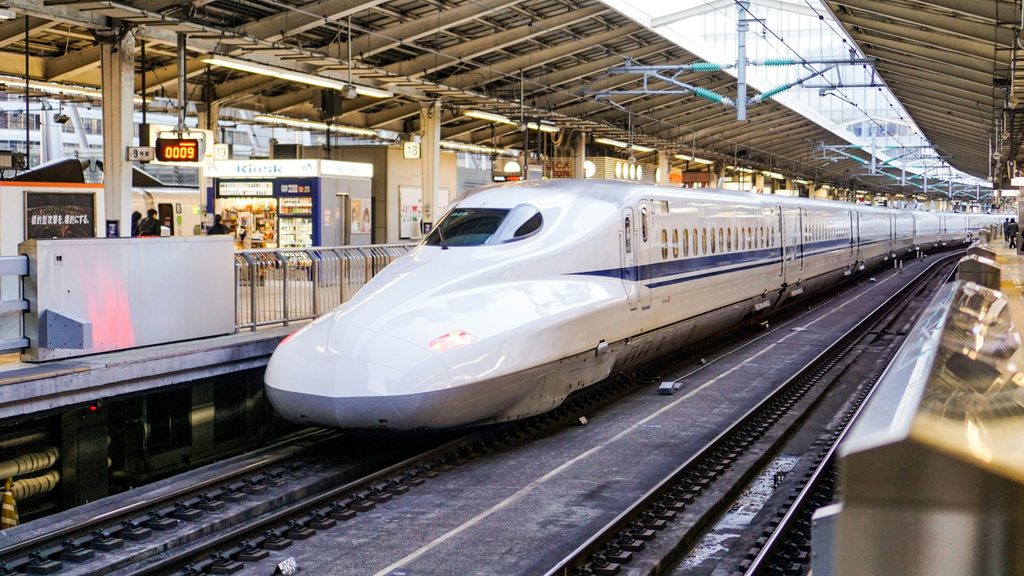
Traveling from Tokyo to Kyoto or Osaka is relatively straightforward, thanks to Japan’s extensive railway network. However, choosing the right train, booking method, and arrival station can make a significant difference to your journey.
For most travelers, the Tokaido Shinkansen is the most convenient option. This high-speed railway connects Tokyo with Kyoto and Shin-Osaka, offering frequent services throughout the day.
The journey from Tokyo to Kyoto takes approximately 2 hours and 10–20 minutes on many Nozomi services, while reaching Shin-Osaka takes approximately 2 hours and 30 minutes. Actual travel times depend on the train and timetable.
Remember that your journey doesn’t necessarily end when the Shinkansen arrives. You may still need a local train, subway, or taxi to reach your hotel.
Buildward Lab Tip: When comparing transport options, calculate the entire journey from your Tokyo accommodation to your hotel in Kyoto or Osaka. Include travel to the departure station, transfers, luggage handling, and the final journey to your accommodation. The fastest train isn’t always the fastest door-to-door option.
Before leaving Tokyo, explore our Tokyo Travel Planning Guide for practical advice on accommodation, local transport, travel costs, and organizing your stay in Japan’s capital.
Nozomi, Hikari, or Kodama: Which Shinkansen Should You Choose?
When booking a Shinkansen ticket between Tokyo, Kyoto, and Osaka, you’ll encounter three main train services. They operate on the same Tokaido Shinkansen line but stop at different stations.
Nozomi — Fastest and Most Convenient
Nozomi makes the fewest stops and is generally the quickest option for traveling between Tokyo, Kyoto, and Shin-Osaka. It’s a practical choice for travelers purchasing individual train tickets.
Hikari — A Useful Alternative
Hikari stops at more stations, making the journey somewhat longer. It’s particularly useful for travelers using a Japan Rail Pass because eligible Hikari services are covered by the pass.
Kodama — Stops at Every Station
Kodama stops at every station along the Tokaido Shinkansen route. It’s generally less practical for travelers simply trying to reach Kyoto or Osaka quickly, but it can be useful for intermediate destinations.
Important Japan Rail Pass Rule: The standard Japan Rail Pass covers eligible Hikari and Kodama services, but not Nozomi automatically. Pass holders who want to travel on Nozomi must purchase a special additional ticket before boarding.
Common mistake to avoid: Assuming that all Shinkansen services are included in the Japan Rail Pass or that every train takes approximately the same amount of time.
Buildward Lab Tip: If you’re buying individual tickets, compare Nozomi departure times and prices. If you’re using a Japan Rail Pass, check suitable Hikari services before paying extra for Nozomi. Always confirm the exact train, departure station, and arrival station before completing your reservation.
How to Book Shinkansen Tickets: What Travelers Should Know
You can purchase Shinkansen tickets at major JR railway stations or use an official online reservation service such as Smart EX for the Tokaido Shinkansen.
Smart EX allows travelers to choose trains, reserve seats, and pay online. Depending on the booking and boarding method, you can travel using a QR ticket, a designated compatible IC card, or a collected paper ticket.
When should you book?
For ordinary travel periods, booking closer to your departure date may be possible, but reserving earlier gives you a better choice of seats and departure times.
Advance planning is particularly important during Japan’s busiest holiday periods, including Golden Week, Obon, and the New Year holidays.
During designated peak periods, Nozomi trains operate with reserved seating only. Check the rules for your specific travel dates rather than assuming non-reserved seats will be available.
Common mistakes to avoid:
- Assuming every train has non-reserved seating throughout the year.
- Booking the wrong departure station or travel date.
- Confusing an online booking confirmation with the ticket or boarding method required at the gate.
- Leaving insufficient time to navigate a large station.
Buildward Lab Tip: Before traveling, save your reservation details and confirm exactly how you will pass through the Shinkansen ticket gates. Arrive with enough time to find the correct platform, especially if you’re unfamiliar with Tokyo Station or Shin-Osaka.
Traveling with Large Luggage on the Shinkansen
If you’re traveling from Tokyo to Kyoto or Osaka with a large suitcase, check its dimensions before booking your train ticket.
On the Tokaido Shinkansen, luggage rules depend on the combined measurements of your suitcase: height + width + depth, including protruding parts such as wheels and handles.
- Up to 160 cm in total: No special luggage reservation is normally required. You can use the overhead racks or other permitted storage areas.
- Over 160 cm and up to 250 cm: You must reserve a seat with an oversized baggage area in advance.
- Over 250 cm: Luggage of this size cannot be brought on board.
Reserving a seat with an oversized baggage area does not normally cost more than an equivalent reserved seat.
However, bringing oversized luggage without the required reservation can result in a ¥1,000 fee, and staff will direct you to an appropriate storage location. If suitable space is unavailable, you may need to take another train.
Common mistakes to avoid:
- Measuring only the suitcase’s height instead of adding all three dimensions.
- Assuming the space behind the last row of seats is available to everyone.
- Waiting until boarding to discover that your suitcase requires a special reservation.
- Placing heavy luggage overhead when you cannot safely lift or retrieve it.
Buildward Lab Tip: Measure your suitcase at home, including its wheels and handles. If it exceeds 160 cm in total, select the oversized baggage seat option when booking through Smart EX or ask for the appropriate reservation at a JR ticket counter. These seats are limited, so booking early is particularly useful during busy travel periods.
Luggage Forwarding in Japan: Travel Between Cities Without Heavy Suitcases
Japan has a convenient luggage delivery service known as takkyubin (or TA-Q-BIN), which allows travelers to send suitcases between participating hotels.
For example, if you’re traveling from Tokyo to Kyoto, you may be able to arrange delivery of your large suitcase directly to your Kyoto hotel instead of carrying it through crowded stations and onto the Shinkansen.
Yamato Transport is one of the major companies providing this service.
How to arrange luggage forwarding:
- Ask your current hotel whether it can arrange luggage delivery.
- Confirm that your next hotel can receive and store the suitcase.
- Check the delivery deadline, estimated arrival date, and cost.
- Keep your delivery receipt and tracking information.
Important: Delivery is not necessarily available on the same day. Allow sufficient time and confirm the expected arrival before sending your luggage.
Common mistakes to avoid:
- Assuming every hotel accepts luggage deliveries, particularly properties without staffed reception.
- Sending your suitcase without confirming the receiving hotel’s details.
- Packing passports, medication, valuables, or essential items in a bag you won’t have immediate access to.
- Assuming your suitcase will arrive before you without checking the delivery schedule.
Buildward Lab Tip: Consider traveling with a small overnight bag containing clothes, toiletries, medications, and other essentials. Luggage forwarding can be particularly useful when changing cities or making sightseeing stops along the way, but compare the delivery cost with the convenience it provides.
Alternatives to the Shinkansen: Highway Buses and Domestic Flights
The Shinkansen is usually the most convenient way to travel between Tokyo, Kyoto, and Osaka, but it isn’t always the best choice for every budget or itinerary.
Highway and Overnight Buses — Best for Budget-Conscious Travelers
Long-distance buses connect Tokyo with Kyoto and Osaka. They generally take considerably longer than the Shinkansen but can offer lower fares, especially when booked in advance.
Overnight services can also replace a hotel night. However, sleeping in a reclining bus seat may leave you tired the following day.
Common mistake to avoid: Choosing the cheapest overnight bus without checking seat comfort, luggage restrictions, arrival time, and the exact departure terminal.
Domestic Flights — Worth Comparing in Specific Situations
Flying between the Tokyo and Osaka areas can be useful if you find a competitive airfare or are connecting from another flight.
However, a short flight doesn’t necessarily mean a shorter journey. Airport transfers, security procedures, baggage collection, and onward travel all add time and expense.
Kyoto does not have a major commercial airport of its own, so travelers flying into the Osaka area must continue by ground transport.
Common mistake to avoid: Comparing only the flight duration with the Shinkansen journey time instead of calculating the entire door-to-door journey.
Buildward Lab Tip: Compare three things before booking: total transport cost, actual door-to-door travel time, and how rested you’ll feel when you arrive. A cheaper ticket may not be the best value if it costs you most of your first sightseeing day.
Is the Japan Rail Pass Worth It for Tokyo, Kyoto, and Osaka?
Many first-time visitors assume that buying a Japan Rail Pass is automatically the most economical way to travel around Japan. That is not always true.
The nationwide Japan Rail Pass allows eligible visitors to use many JR trains, including covered Shinkansen services, during a selected validity period.
However, the pass represents a substantial upfront expense. As of October 2026, the official online price for a 7-day Ordinary Class pass is ¥50,000 per adult.
If your itinerary includes only Tokyo, Kyoto, and Osaka, purchasing individual train tickets may be considerably more economical, particularly if you are traveling in one direction rather than returning to Tokyo.
The pass becomes more interesting when your plans include multiple additional long-distance JR journeys within its validity period. Even then, the savings depend on your exact route.
Common mistakes to avoid:
- Buying a nationwide rail pass without calculating the cost of individual tickets.
- Assuming private railways, city subways, and all airport transfers are included.
- Forgetting that Nozomi services require a special additional ticket for Japan Rail Pass holders.
- Activating the pass too early and wasting valuable days of validity.
Buildward Lab Tip: Write down every planned long-distance train journey and compare the combined individual ticket prices with the current pass price. Check which services are actually covered before purchasing. A rail pass should save you money or provide meaningful convenience—not become an unnecessary travel expense.
5. Getting Around Kansai: Trains, Subways, and Transport Passes
Getting around Kyoto, Osaka, and Nara is relatively easy once you understand how the region’s transport network works. However, one important detail often confuses first-time visitors: Japan has several railway operators, and they don’t all use the same stations, routes, or tickets.
In Kansai, you’ll encounter JR trains alongside private railway companies such as Hankyu, Keihan, and Kintetsu, as well as city subway systems.
For example, JR connects Osaka Station with Kyoto Station, while Hankyu and Keihan offer routes to different parts of central and eastern Kyoto. Kintetsu can be particularly convenient for visiting Nara.
The best route isn’t always the fastest train or the cheapest ticket. It depends on where your journey begins and how close the arrival station is to your actual destination.
Buildward Lab Tip: Before choosing a train, compare the complete journey, including transfers and walking time. A slightly longer train ride that brings you closer to your destination can be more convenient than arriving at a major station and making several additional connections.
Traveling Between Kyoto and Osaka: JR, Hankyu, or Keihan?
Kyoto and Osaka are close enough for convenient day trips, but choosing the right railway can save you unnecessary transfers and walking.
JR Special Rapid — Best for Kyoto Station
JR Special Rapid trains connect Osaka Station with Kyoto Station in approximately 30 minutes.
This is a practical option if you’re staying near either station or continuing to destinations served by JR.
Hankyu Railway — Best for Central Kyoto
Hankyu connects Osaka-Umeda Station with Karasuma and Kyoto-Kawaramachi in approximately 45 minutes.
It’s particularly useful if you’re visiting central Kyoto, shopping around Shijo-Kawaramachi, or staying near the downtown area.
Keihan Railway — Best for Gion and Eastern Kyoto
Keihan connects Osaka stations such as Yodoyabashi and Kyobashi with destinations including Gion-Shijo and Sanjo in Kyoto.
A Limited Express journey from Yodoyabashi to central Kyoto takes approximately 48 minutes.
This can be more convenient than arriving at Kyoto Station if your main destination is Gion or eastern Kyoto.
Common mistakes to avoid:
- Assuming all trains between Osaka and Kyoto arrive at Kyoto Station.
- Choosing the fastest train without checking the onward journey to your destination.
- Confusing JR Osaka Station with Hankyu Osaka-Umeda Station.
- Taking the Shinkansen for a short journey without comparing convenient conventional train services first.
Buildward Lab Tip: Enter your exact destination into a route-planning app before choosing a railway. Compare total journey time, walking distance, transfers, and fare. The best train is the one that gets you closest to where you actually want to go.
Traveling to Nara from Kyoto or Osaka: JR vs Kintetsu
Nara is an excellent day-trip destination from either Kyoto or Osaka. However, choosing the right railway and arrival station can make your visit considerably easier.
From Kyoto to Nara
You have two main options:
- JR Nara Line: Miyakoji Rapid services connect Kyoto Station with JR Nara Station in approximately 45 minutes.
- Kintetsu Railway: Trains from Kyoto Station reach Kintetsu-Nara Station in approximately 35–50 minutes, depending on the service and connections. Limited Express trains require an additional ticket.
From Osaka to Nara
Your best option depends on where you’re staying:
- Kintetsu Railway: Express services connect Osaka-Namba with Kintetsu-Nara in approximately 35–45 minutes.
- JR Yamatoji Line: Direct services from JR Osaka Station to JR Nara Station generally take around 50–60 minutes.
Which Nara Station Is Better?
Kintetsu-Nara Station is generally more convenient for visitors heading directly to Nara Park, Tōdai-ji, and the historic sightseeing areas.
JR Nara Station is farther from the main park attractions, although walking and local bus connections are available.
Common mistakes to avoid:
- Assuming JR Nara and Kintetsu-Nara are the same station.
- Choosing a train based only on journey time without checking the final walking distance.
- Forgetting that Kintetsu Limited Express services require an additional fare.
- Assuming a JR rail pass covers Kintetsu trains.
Buildward Lab Tip: If your main goal is visiting Nara Park and Tōdai-ji, compare the complete routes to Kintetsu-Nara and JR Nara before departing. The most convenient choice depends on your hotel, ticket type, and planned sightseeing route.
ICOCA, Suica, and PASMO: Do You Need a Different Transport Card in Kansai?
If you’ve already been using a Suica or PASMO card in Tokyo, you generally don’t need to purchase a new transport card when you arrive in Kyoto or Osaka.
Japan’s major rechargeable IC cards are widely interoperable. In Kansai, ICOCA is the regional card, but Suica and PASMO are also accepted on many participating JR lines, private railways, subways, and buses.
How IC cards make travel easier:
- Tap your card at the ticket gate when entering and leaving participating railway stations.
- Pay ordinary fares without buying a separate ticket for every journey.
- Recharge your card when the balance runs low.
- Use it for purchases at participating convenience stores, vending machines, and other businesses.
Important limitations:
- An IC card does not automatically give you unlimited travel or discounted fares.
- A regular IC card balance alone is not sufficient for a Shinkansen journey. You need the appropriate Shinkansen ticket or a supported reservation linked to your card.
- Some limited express trains require an additional ticket or reservation.
- Not every railway or bus route accepts every IC card.
- You generally cannot use an ordinary IC card journey to travel continuously across separate regional IC-card areas, such as from Tokyo to Osaka.
Common mistake to avoid: Buying a new transport card in every city, or assuming that having an IC card means all trains are included.
Buildward Lab Tip: If you’re arriving from Tokyo with a working Suica or PASMO, keep using it on participating Kansai services. Before boarding an unfamiliar train, check whether it requires a separate ticket, supplement, or reservation. An IC card is a convenient payment method, not a universal rail pass.
Are Kansai Transport Passes Worth Buying?
Kansai offers several regional and city transport passes, but buying one doesn’t automatically mean you’ll save money.
The best option depends on your itinerary, the railway operators you’ll use, and how many journeys you plan to make.
JR Kansai Area Pass
This pass covers designated JR services in the Kansai region, subject to its validity conditions. However, it does not cover the Shinkansen or private railway services such as Hankyu and Kintetsu.
It may be useful for travelers planning several eligible JR journeys, but it isn’t necessarily economical for a few short trips between Kyoto, Osaka, and Nara.
Kyoto Subway & Bus 1-Day Pass
This pass offers unlimited travel on Kyoto’s municipal subway and designated bus services, with some route exclusions.
It may provide value on days involving multiple covered journeys. However, it does not include every private railway operating in Kyoto.
Osaka Amazing Pass
The Osaka Amazing Pass combines travel on designated public transport services with admission to participating sightseeing attractions.
It can offer good value if you plan to visit several included attractions in one or two days. However, travelers mainly interested in restaurants, shopping, and walking around the city may not benefit enough to justify the price.
Common mistakes to avoid:
- Buying a pass before planning your actual journeys.
- Assuming that all JR and private railway services are interchangeable.
- Forgetting to check whether airport transfers or limited express services are covered.
- Choosing attractions simply to make an expensive pass feel worthwhile.
- Assuming a one-day pass always means 24 hours from the moment you activate it.
Buildward Lab Tip: First, list your planned journeys and attractions. Calculate what you would pay using ordinary tickets or an IC card, then compare that total with the relevant pass price. Check the official coverage map, validity period, and any additional charges before purchasing. Sometimes paying for individual journeys is both cheaper and more flexible.
Getting Around Kyoto: How to Avoid Crowded Buses and Unnecessary Transfers
Kyoto’s public transport network is extensive, but some of the most popular sightseeing routes can become extremely crowded, especially during cherry blossom season, autumn foliage season, and weekends.
One common mistake is assuming that a direct bus is always the easiest way to reach a tourist attraction. Traffic congestion and long queues can make a journey considerably slower than expected.
Practical Ways to Save Time in Kyoto
- Use trains whenever practical. JR, Keihan, Hankyu, and the Kyoto subway can help you avoid road traffic. Combine a train journey with walking or a short bus ride when necessary.
- For Fushimi Inari: From Kyoto Station, take the JR Nara Line to Inari Station, close to the shrine entrance. This is generally more predictable than relying on road transport.
- For Arashiyama: Consider the JR Sagano Line to Saga-Arashiyama Station, or alternative rail routes depending on where your hotel is located.
- For Kiyomizu-dera and Gion: Compare rail-and-walking routes with local buses. Kyoto also operates dedicated sightseeing bus services, but schedules, fares, and operating days should be checked before departure.
- Group nearby attractions together. Exploring one part of Kyoto at a time reduces unnecessary journeys across the city.
Check Crowding Before You Leave
Kyoto’s official tourism website provides a Travel Congestion Forecast, including predicted crowd levels for popular sightseeing areas and live camera views at selected locations.
This can help you decide whether to visit a famous attraction early, change the order of your itinerary, or explore a quieter neighborhood instead.
Official resource: https://global.kyoto.travel/en/comfort/
Common mistake to avoid: Following the first route suggested by a navigation app without checking alternatives. A route that looks shortest on the map may take longer when buses are delayed by traffic.
Buildward Lab Tip: Use Kyoto’s official transportation guidance alongside your navigation app. Check the route again on the day of travel, particularly during busy seasons. Spending a few minutes comparing trains, walking routes, and buses can save considerable time and frustration.
Getting Around Osaka: Metro Lines, Stations, and Practical Travel Tips
Osaka has an extensive subway network that makes it relatively easy to move between major sightseeing districts, shopping areas, and railway stations.
However, large station complexes and multiple railway operators can be confusing for first-time visitors.
The Midosuji Line: A Useful Starting Point
The Osaka Metro Midosuji Line connects several important locations, including Shin-Osaka, Umeda, Honmachi, Shinsaibashi, and Namba.
This makes it particularly convenient for travelers staying near one of these stations.
Practical Ways to Make Getting Around Easier
- Learn your nearest station: Note its name, metro line, and station code. Osaka Metro uses letter-and-number codes, such as M16 for Umeda and M20 for Namba.
- Check the correct exit: Large stations may have numerous exits. Choosing the wrong one can mean unnecessary walking, especially with luggage.
- Understand station names: Osaka Station, Umeda, and Shin-Osaka refer to different transport locations. Don’t assume they are interchangeable.
- Use an IC card: Compatible cards such as ICOCA, Suica, and PASMO can make ordinary subway journeys easier without purchasing individual tickets each time.
- Check the final train: Metro services do not operate throughout the night. If you’re enjoying Osaka’s nightlife, check the last departure for your route.
- Look for elevators: When traveling with heavy luggage, check station accessibility maps instead of assuming every entrance has an elevator.
Common Mistakes to Avoid
One frequent mistake is choosing a route based only on the number of stops. A journey with fewer stops may still involve a long transfer or an inconvenient walk.
Another is assuming that all stations named Namba are in exactly the same location. Osaka Metro, Nankai, JR, and Kintetsu/Hanshin operate different station facilities in the wider Namba area.
Buildward Lab Tip: Before leaving your hotel, check your destination’s nearest station, recommended exit, and walking route. Osaka Metro provides official station maps showing exits, transfers, and accessibility information. These are particularly useful when navigating large stations for the first time.
6. What to Book in Advance: Tickets, Attractions, and Experiences
One of the easiest ways to make your trip through Kyoto, Osaka, and Nara less stressful is to understand which experiences require advance reservations — and which can be visited spontaneously.
Not every famous attraction in Japan needs a pre-booked ticket. Reserving everything weeks ahead can unnecessarily restrict your itinerary, especially when weather, crowds, and travel fatigue affect your plans.
What Should You Prioritize?
- Popular theme parks: If Universal Studios Japan is part of your itinerary, check admission availability in advance. Some areas, including SUPER NINTENDO WORLD, may also require separate timed-entry arrangements.
- Attractions with mandatory reservations: Certain Kyoto sites, such as Saihō-ji (Kokedera), require advance booking. Others, including Kiyomizu-dera and Kinkaku-ji, do not normally require reservations for standard visits.
- Small-group cultural experiences: Tea ceremonies, cooking classes, traditional craft workshops, and guided activities may have limited places. Booking ahead is sensible when a particular experience is important to your trip.
- Special seasonal visits: Limited-time temple openings, evening illuminations, and special exhibitions may have different admission arrangements from ordinary sightseeing.
Common mistake to avoid: Assuming that every temple needs a reservation — or that a standard attraction ticket automatically includes special exhibitions, guided visits, or restricted areas.
Buildward Lab Tip: Identify two or three experiences that you genuinely don’t want to miss and verify their booking requirements first. Leave the rest of your itinerary flexible whenever possible. Always check the attraction’s official website for current rules, opening dates, and ticket conditions.
Buildward Lab Recommendation: A Traditional Tea Experience in Kyoto
If experiencing Japanese tea culture is one of your priorities, consider the Kimono Tea Ceremony at Kyoto Maikoya Nishiki. This immersive cultural experience combines wearing a traditional kimono with learning about the preparation and rituals of matcha tea in an atmospheric Japanese setting.
For travelers who want to include this experience in their Kyoto itinerary, checking availability and reserving ahead is a sensible choice.
Explore the Kyoto Maikoya Tea Ceremony & Check Available Dates →
Affiliate disclosure: We may earn a commission if you book through this link, at no extra cost to you.
What Can You Leave Unplanned?
One of the advantages of traveling through Kansai is that many rewarding experiences don’t require advance reservations.
You can often leave room in your itinerary for:
- Exploring historic neighborhoods: Walking through Gion, Higashiyama, Naramachi, or Osaka’s shopping streets doesn’t normally require a reservation. Always respect access restrictions and private property.
- Visiting public parks and riverside areas: Places such as Osaka Castle Park, Nara Park, and the Kamo River offer opportunities to explore at your own pace.
- Discovering local restaurants: Many casual restaurants accept walk-in customers, although popular establishments may have queues or require reservations.
- Exploring markets and shopping streets: Nishiki Market, Kuromon Market, and local shopping arcades can provide enjoyable experiences without committing to a fixed tour.
- Adjusting outdoor sightseeing: Keeping some activities flexible allows you to respond to rain, extreme heat, or crowded conditions.
Important distinction: Free access to a neighborhood or public park does not mean that every attraction inside it is free or open at all times. Temples, museums, observation areas, and special exhibitions may have separate admission fees and opening hours.
Common mistake to avoid: Filling every morning, afternoon, and evening with prepaid activities. Delays, unexpected weather, or simply discovering a place you’d like to explore longer can make an overly rigid schedule stressful.
Buildward Lab Tip: Reserve the experiences that matter most to you, then leave at least one flexible period in your itinerary. This gives you the freedom to discover something unexpected without worrying about missing your next booking.
Before You Book: Five Checks That Can Prevent Costly Mistakes
Even when an attraction or experience looks perfect for your itinerary, it’s worth checking a few practical details before paying.
- Confirm the exact location. Some experiences meet at a different location from the attraction itself. Check the meeting point and how long it takes to reach it from your hotel.
- Check what the price includes. Admission fees, transportation, meals, and equipment may be included in some experiences but charged separately in others.
- Read the cancellation conditions. Free cancellation is not available for every ticket or activity. Check the deadline, refund rules, and any restrictions before booking.
- Verify the date and time. Pay particular attention to timed-entry tickets, meeting times, and whether late arrivals are admitted.
- Check the confirmation instructions. Some bookings use digital tickets, while others require voucher exchange, identification, or additional instructions before arrival.
Common mistake to avoid: Booking an attraction based only on its description or photographs without checking the practical details.
Buildward Lab Tip: Keep your confirmed bookings together in one accessible folder on your phone. Save the ticket or voucher, meeting-point address, cancellation deadline, and any important instructions. Where permitted, download an offline copy in case you have limited internet access during your trip.
7. Common Travel Mistakes in Kyoto, Osaka & Nara — and How to Avoid Them
Mistake 1 — Treating Historic Neighborhoods Like Tourist Attractions Without Residents
One of the most important things to remember when visiting Japan is that many famous sightseeing areas are also places where people live, work, and carry out their daily routines.
This is particularly important in Kyoto’s Gion and Higashiyama districts, where narrow streets, traditional buildings, and picturesque surroundings attract large numbers of visitors.
What travelers sometimes get wrong:
- Entering private streets, gardens, or properties without permission.
- Photographing residents, geiko, or maiko without respecting their privacy.
- Blocking narrow streets or entrances while taking photographs.
- Speaking loudly in residential areas, especially early in the morning or late at night.
- Ignoring signs that restrict photography or public access.
How to make your visit easier and more respectful:
Stay on public routes, follow local signs, and ask permission before photographing people when appropriate. Avoid blocking entrances or pedestrian traffic, and remember that not every beautiful street is open to visitors.
You can still enjoy Kyoto’s traditional atmosphere without entering restricted areas or interrupting people’s daily lives.
Buildward Lab Tip: If you want to photograph a popular historic street without large crowds, consider visiting earlier in the day. However, quieter streets are not an invitation to disregard local rules. Respect for residents should always come before getting the perfect photograph.
Mistake 2 — Ignoring Temple and Shrine Etiquette
Kyoto and Nara are home to some of Japan’s most significant Buddhist temples and Shinto shrines. While many welcome visitors, they are also active places of worship and should be treated with respect.
What travelers sometimes get wrong:
- Taking photographs in areas where photography is prohibited.
- Entering buildings or restricted sections without permission.
- Speaking loudly near people who are praying or participating in religious ceremonies.
- Touching religious objects, statues, or decorations without permission.
- Assuming the same customs apply to every temple and shrine.
How to visit respectfully:
Pay attention to posted signs and instructions. Some buildings require visitors to remove their shoes, while photography may be permitted outdoors but restricted inside.
At Shinto shrines, you may encounter a purification fountain where visitors traditionally rinse their hands before approaching the main worship area. Customs vary between locations, so follow the instructions provided rather than assuming every site has identical practices.
At Buddhist temples, remain quiet in prayer areas and respect any restrictions on access or photography.
Common mistake to avoid: Treating religious rituals as performances arranged for tourists. Observe respectfully and avoid interrupting worshippers for photographs.
Buildward Lab Tip: Before entering a temple or shrine building, look for signs about shoes, photography, and restricted areas. Following these simple instructions makes your visit more comfortable and helps preserve these important cultural places.
Mistake 3 — Assuming You Can Pay by Card Everywhere
Japan has become increasingly convenient for cashless payments. Credit and debit cards are widely accepted at major hotels, shopping centers, and many restaurants in Kyoto, Osaka, and Nara.
However, some smaller businesses, traditional establishments, and local attractions may still require cash.
How to avoid payment problems:
- Carry some Japanese yen: Keep a reasonable amount of cash available for smaller purchases and places that don’t accept cards.
- Check payment methods before ordering: Look for accepted-card symbols or ask staff if you’re unsure.
- Know where to withdraw cash: Seven Bank and Japan Post Bank ATMs are useful options for travelers with compatible foreign-issued cards.
- Check withdrawal fees: Your bank and the ATM operator may charge fees, so review the conditions before confirming a withdrawal.
- Don’t confuse IC cards with bank cards: ICOCA, Suica, and PASMO work at many participating businesses, but they aren’t accepted everywhere.
Common mistake to avoid: Arriving at a small restaurant or traditional establishment without cash and assuming your international bank card or smartphone payment will work.
Buildward Lab Tip: Use your bank card where convenient, but keep a small cash reserve and some ¥100 and ¥500 coins for everyday purchases. Check your bank’s international withdrawal fees before traveling and avoid depending on a single payment method.
Mistake 4 — Eating While Walking and Leaving Food Packaging Behind
Exploring food markets and trying local specialties is one of the highlights of visiting Kyoto and Osaka. However, it’s important to understand that food etiquette can vary between locations.
At Kyoto’s famous Nishiki Market, visitors are specifically asked not to eat while walking through the narrow, often crowded shopping street.
Instead, enjoy your purchases at or inside the shop where you bought them, following the vendor’s instructions.
How to avoid uncomfortable situations:
- Follow market-specific rules: Don’t assume that food sold for immediate consumption can be eaten while walking.
- Look for designated eating areas: Some food stalls and markets provide spaces where customers can enjoy their purchases.
- Dispose of packaging responsibly: Use a bin provided by the vendor when permitted, or carry your rubbish until you find an appropriate disposal location.
- Avoid blocking narrow streets: Step aside when checking menus, taking photographs, or deciding what to order.
- Respect individual businesses: Some vendors have specific rules about food consumption, photography, and waste disposal.
Common mistake to avoid: Assuming that eating while walking is forbidden everywhere in Japan. Rules and expectations differ by location. The important thing is to follow local guidance rather than relying on generalizations.
Buildward Lab Tip: Carry a small reusable bag for packaging and tissues when exploring markets or street-food areas. At Nishiki Market, enjoy your food where the shop permits and avoid leaving rubbish behind. These simple habits make food exploration easier and more respectful.
Mistake 5 — Underestimating Japan’s Seasonal Weather
Kyoto, Osaka, and Nara can feel very different depending on the season. Travelers sometimes plan their sightseeing around famous attractions without considering how heat, humidity, rain, or cold weather may affect their daily schedule.
Summer in Kansai can be particularly hot and humid, making long walks between temples and historic neighborhoods physically demanding. Japan’s rainy season typically affects the region in early summer, while typhoons can disrupt travel during parts of summer and autumn.
Winter is generally cooler, but outdoor sightseeing can still involve long periods of walking and exposure to cold temperatures.
How to make your trip more comfortable:
- In summer: Start outdoor sightseeing earlier, carry water, and schedule indoor breaks during the hottest hours.
- During rainy periods: Bring suitable footwear and a lightweight rain jacket. Keep an alternative indoor activity available.
- In autumn and spring: Dress in layers and prepare for changing temperatures between mornings and afternoons.
- In winter: Check the forecast and wear comfortable, weather-appropriate clothing, especially for extended outdoor visits.
- Before longer excursions: Check official weather forecasts and transport updates, particularly when severe weather is possible.
Common mistake to avoid: Planning several hours of uninterrupted outdoor sightseeing during extreme heat or heavy rain simply because the attractions appear close together on a map.
Buildward Lab Tip: Build flexibility into your daily schedule. On very hot or rainy days, combine shorter outdoor visits with museums, cafés, or other indoor experiences. Check the Japan Meteorological Agency’s weather forecasts and warnings before setting out, especially during the typhoon season.
Mistake 6 — Arriving Without Reliable Internet Access or Offline Travel Information
Japan’s public transport system is highly developed, but navigating unfamiliar railway stations, finding hotel entrances, and checking train connections can be challenging without internet access.
Free public Wi-Fi is available in many places, but coverage, connection requirements, and reliability vary. Depending entirely on public networks can make everyday travel unnecessarily complicated.
How to make navigation easier:
- Arrange mobile connectivity: Before departure, compare international roaming, a travel eSIM, a physical SIM card, or a portable Wi-Fi device. Check compatibility, coverage, and total costs.
- Download offline maps: Save maps of Kyoto, Osaka, and Nara before traveling. Remember that offline navigation may not provide live train schedules, delays, or every public transport route.
- Save your hotel details: Keep the accommodation name, address in Japanese, telephone number, and nearest station accessible offline.
- Prepare important routes: Save directions from your arrival airport or railway station to your hotel, including any necessary transfers.
- Keep booking confirmations accessible: Download important tickets and reservation details where permitted, rather than depending entirely on email access.
Common mistakes to avoid:
- Assuming that every railway station or public area provides free Wi-Fi.
- Purchasing an eSIM without checking whether your phone supports eSIM technology and is unlocked.
- Depending entirely on live navigation without having a backup plan.
- Arriving late at night without checking the last available train or airport transfer.
Buildward Lab Tip: Before leaving for Japan, create a small offline travel folder containing your hotel addresses, essential reservations, emergency contacts, and transport information. Reliable internet makes traveling easier, but having a backup plan is equally valuable when your connection fails.
Mistake 7 — Assuming Food Ingredients and Dietary Requirements Are Always Easy to Understand
Exploring Japanese cuisine is one of the highlights of visiting Kyoto, Osaka, and Nara. However, travelers with food allergies, intolerances, or specific dietary requirements should prepare before arriving.
Even dishes that appear vegetarian may contain fish-based dashi stock, while sauces, broths, and seasonings can include ingredients that are not immediately obvious.
How to make eating out easier:
- Prepare a dietary information card in Japanese: Clearly explain your allergies or ingredients you must avoid. Have the wording checked for accuracy before traveling.
- Research suitable restaurants: Identify several options near your hotel and planned sightseeing areas, especially if you follow a vegetarian, vegan, halal, or other restricted diet.
- Contact restaurants in advance: For serious allergies or special set menus, ask whether the restaurant can accommodate your requirements before making a reservation.
- Check hidden ingredients: Don’t assume that vegetable dishes, soups, or noodle broths are free from fish or animal products.
- Use translation tools carefully: Translation apps can help with menus and communication, but they cannot guarantee that a dish is safe for someone with a food allergy.
- Keep backup options: Save a few suitable restaurants or food shops in case your original choice cannot accommodate your needs.
Common mistake to avoid: Assuming that a restaurant can always modify a dish or guarantee the absence of allergens. Some kitchens may be unable to accommodate particular dietary restrictions or prevent cross-contact.
Buildward Lab Tip: If you have a serious food allergy, communicate your requirements clearly before ordering and confirm that staff understand them. If the restaurant cannot reliably confirm that a meal is suitable, choose another option rather than taking a risk. Travelers with severe allergies should also follow their clinician’s advice about carrying prescribed emergency medication.
Mistake 8 — Ignoring Public Transport Etiquette
Japan’s trains and subways are generally efficient and well-organized, but crowded services in Kyoto and Osaka can feel overwhelming if you’re unfamiliar with local expectations.
Fortunately, a few simple habits can make your journey more comfortable for both you and other passengers.
How to travel more comfortably and respectfully:
- Queue before boarding: Follow platform markings and allow passengers to exit before entering the train.
- Keep conversations quiet: Set your phone to silent mode and avoid making phone calls inside ordinary trains and subways.
- Be considerate with backpacks: On crowded services, remove your backpack and hold it in front of you or place it where it won’t obstruct others.
- Keep doors and aisles clear: Avoid leaving suitcases near train doors or blocking passengers entering and exiting.
- Respect priority seating: Offer seats to passengers who need them, including older travelers, pregnant passengers, and people with disabilities.
- Check carriage restrictions: Some commuter trains have women-only carriages during designated hours or under specific operating rules. Follow the signs on the platform and train.
- Avoid using your phone while walking through busy stations: Stop somewhere safe if you need to check directions.
Common mistake to avoid: Assuming that behavior acceptable on a long-distance tourist train is equally appropriate on a crowded commuter service. Expectations and available space can differ.
Buildward Lab Tip: During busy commuting hours, travel with a smaller day bag when possible. If you’re carrying large suitcases, allow extra boarding time, use elevators where available, and consider traveling outside the busiest periods. A little preparation makes navigating Kansai’s railway network much easier.
Mistake 9 — Traveling Without a Basic Emergency Plan
Japan is well prepared for natural disasters, but earthquakes, heavy rainfall, typhoons, and transport disruptions can still affect your journey.
You don’t need to worry constantly about emergencies. However, knowing where to find reliable information and what to do if something unexpected happens can make a significant difference.
Simple Ways to Prepare Before Your Trip:
- Save emergency numbers: In Japan, call 110 for police assistance and 119 for fire or ambulance services.
- Download the Safety Tips app: This official visitor-oriented app provides disaster-related alerts and useful safety information in multiple languages.
- Check your accommodation: Familiarize yourself with emergency exits, evacuation instructions, and the hotel’s procedures.
- Follow official warnings: Use information from the Japan Meteorological Agency, local authorities, and transport operators.
- Keep essential information accessible offline: Save your accommodation address, emergency contacts, and important travel documents.
- Allow flexibility: Severe weather or transport suspensions may require changes to your itinerary.
Common mistake to avoid: Continuing toward an attraction or hiking route despite official weather warnings or transport restrictions.
Buildward Lab Tip: Before leaving your hotel each morning, check relevant weather alerts and transport updates. If an emergency occurs, follow instructions from local authorities and accommodation staff rather than relying on unverified social media information.
8. Your Kansai Travel Planning Checklist: Before You Go
Before Booking Your Trip
Use this checklist to make the most important decisions before committing to flights, accommodation, and activities.
- Check entry requirements: Verify passport validity, visa requirements for your nationality, and any applicable entry procedures using official Japanese government sources.
- Decide how many days you have: Allow for arrival and departure travel. Choose a realistic 3-, 5-, or 7-day Kansai itinerary rather than trying to fit everything into a short visit.
- Choose your accommodation base: Compare Kyoto and Osaka based on your sightseeing priorities, nearby stations, airport connections, and total hotel costs.
- Plan your journey from Tokyo: Compare Shinkansen tickets with other transport options. If considering a Japan Rail Pass, calculate whether your actual itinerary justifies the cost.
- Identify essential reservations: Book accommodation and any must-do experiences early enough for your travel dates, particularly during busy holiday periods.
Buildward Lab Tip: Start with your travel dates, available days, and accommodation location. These three decisions influence almost everything else, from transport costs to how much sightseeing you can comfortably enjoy.
Before Leaving for Japan
Once your flights and accommodation are arranged, a few practical preparations can make traveling through Kyoto, Osaka, and Nara considerably easier.
- Prepare your travel documents: Check your passport, required entry documents, travel insurance, and booking confirmations. Keep secure digital copies of important information.
- Arrange mobile connectivity: Compare international roaming, travel eSIMs, and other mobile internet options. Check your phone’s compatibility before purchasing.
- Measure your luggage: If traveling on the Tokaido Shinkansen with a suitcase whose combined dimensions exceed 160 cm, check the oversized baggage reservation requirements.
- Plan your first transfer: Save the route from your arrival airport or railway station to your hotel, including the correct station, exit, and estimated walking time.
- Prepare payment options: Bring a suitable bank card and some Japanese yen. Check international withdrawal fees and card compatibility.
- Check seasonal conditions: Review weather forecasts and pack suitable clothing, comfortable walking shoes, and rain protection when needed.
- Save essential information offline: Download hotel addresses, important reservations, emergency contacts, and maps before departure.
Buildward Lab Tip: Create a simple travel folder on your phone with separate sections for accommodation, transport, tickets, and emergency information. Having everything organized in one place can save valuable time when navigating unfamiliar stations or dealing with unexpected changes.
During Your Stay in Kyoto, Osaka, and Nara
A few simple daily habits can make your Kansai journey more comfortable, organized, and enjoyable.
- Check your route each morning: Confirm train connections, station exits, and estimated travel times before leaving your hotel.
- Review opening hours: Temples, museums, and attractions may have different schedules, seasonal hours, or temporary closures.
- Monitor weather and crowd conditions: Adjust outdoor activities when necessary, especially during hot weather, heavy rain, or busy travel periods.
- Carry daily essentials: Keep water, comfortable walking shoes, some cash, a charged phone, and any necessary medication with you.
- Respect local rules: Follow photography restrictions, temple etiquette, transport guidance, and instructions in residential neighborhoods.
- Allow time for breaks: Leave room for meals, rest, and unexpected discoveries rather than following a rigid sightseeing schedule.
- Prepare for the following day: Check reservations, departure times, and luggage arrangements the evening before.
Buildward Lab Tip: Spend five minutes each evening reviewing the next day’s route and reservations. This small habit can prevent missed connections, unnecessary detours, and stressful mornings.
9. Frequently Asked Questions About Visiting Kyoto, Osaka & Nara
Is Three Days Enough to Visit Kyoto, Osaka, and Nara?
Three full days are enough for a brief introduction to all three destinations, but not for exploring them in depth.
A realistic approach is to dedicate one day to eastern Kyoto, one day to Osaka, and one day to Nara. This allows you to experience some of the region’s highlights without constantly changing hotels.
However, if traditional culture and historic landmarks are your main interests, consider spending two days in Kyoto and choosing either Osaka or Nara for your third day.
Buildward Lab Tip: If possible, allow at least five full days for a more balanced first visit. Remember to account separately for travel time from Tokyo and your departure arrangements.
Is It Better to Stay in Kyoto or Osaka?
Kyoto is generally the better base if your main priorities are temples, traditional neighborhoods, gardens, and exploring historic areas early in the morning.
Osaka may be more convenient if you prefer nightlife, restaurants, shopping, and easy connections to several destinations in Kansai.
Both cities are well connected by train, so you don’t necessarily need to change hotels to visit them.
Buildward Lab Tip: Choose your accommodation based on your planned activities and the nearest railway station, not just the nightly hotel price. A cheaper hotel may cost you more in transport and commuting time.
Can You Visit Nara as a Day Trip from Kyoto or Osaka?
Yes. Nara is an excellent day-trip destination from either Kyoto or Osaka, and most first-time visitors don’t need to book a separate hotel there.
Allow approximately 35–60 minutes for the train journey, depending on your departure station and the service you choose.
A full day gives you time to explore Nara Park, visit Tōdai-ji Temple, see Kasuga Taisha Shrine, and enjoy the historic Naramachi neighborhood without rushing.
Buildward Lab Tip: If you’re heading directly to Nara Park, Kintetsu-Nara Station is generally more convenient than JR Nara Station. Compare the complete journey from your accommodation, including walking time, before choosing your train.
Do You Need a Japan Rail Pass to Visit Kyoto, Osaka, and Nara?
Not necessarily. For many travelers visiting Tokyo, Kyoto, Osaka, and Nara, buying individual train tickets can be more economical than purchasing a nationwide Japan Rail Pass.
The pass is most worth considering when your itinerary includes several eligible long-distance JR journeys within its validity period.
Remember that the nationwide pass does not cover every transport operator. Private railways such as Hankyu, Keihan, and Kintetsu generally require separate tickets.
Buildward Lab Tip: Calculate the cost of your planned journeys before purchasing a rail pass. Include the Tokyo–Kyoto or Tokyo–Osaka Shinkansen journey, any return trip, and additional long-distance travel. Compare the total with the current official pass price.
Do You Need to Book Trains Between Kyoto, Osaka, and Nara in Advance?
For most ordinary train journeys between Kyoto, Osaka, and Nara, advance reservations are not necessary.
JR local and rapid services, as well as regular Hankyu, Keihan, and Kintetsu trains, generally allow passengers to travel using an appropriate ticket or compatible IC card.
However, certain premium services, including Kintetsu Limited Express trains, require an additional ticket and may require a seat reservation.
Common mistake to avoid: Confusing ordinary regional trains with the Shinkansen or reserved-seat limited express services. Different ticketing rules apply.
Buildward Lab Tip: For everyday travel around Kansai, you can usually keep your plans flexible. Check the timetable and ticket requirements for your chosen service, particularly when traveling during busy periods or using a limited express train.
Can You Use a Suica or PASMO Card in Kyoto, Osaka, and Nara?
Yes. If you already have a Suica or PASMO card from Tokyo, you can generally continue using it on participating trains, subways, and buses in Kyoto, Osaka, and Nara.
ICOCA is the main regional IC card in Kansai, but Japan’s major transport IC cards are widely interoperable. You normally don’t need to purchase a different card for each city.
However, IC cards are payment methods, not unlimited travel passes. Shinkansen journeys and certain limited express services require appropriate additional tickets or reservations.
Buildward Lab Tip: Keep using your existing compatible IC card for ordinary local journeys. Check that it has sufficient balance, and verify ticket requirements before boarding premium or long-distance services.
What Is the Best Time to Visit Kyoto, Osaka, and Nara?
Spring and autumn are popular seasons for visiting Kansai, thanks to the cherry blossoms in spring and colorful foliage in autumn. However, these periods can also bring larger crowds and higher accommodation demand.
Summer offers festivals and seasonal experiences, but Kyoto, Osaka, and Nara can be extremely hot and humid. Winter is generally cooler and may appeal to travelers who prefer visiting outside the busiest spring and autumn periods.
What should you consider?
- Spring: Beautiful seasonal scenery, but popular attractions and accommodation can be busy.
- Summer: Festivals and long daylight hours, but heat, humidity, and heavy rain can affect sightseeing.
- Autumn: Colorful gardens and mountain landscapes, with high visitor numbers at famous foliage spots.
- Winter: Cooler conditions and opportunities for quieter sightseeing, although some seasonal attractions have limited schedules.
Buildward Lab Tip: Don’t choose your dates based only on photographs of cherry blossoms or autumn leaves. Their timing varies each year. Consider your tolerance for crowds, weather preferences, accommodation budget, and the experiences that matter most to you.
How Do You Get from Kansai International Airport to Kyoto or Osaka?
Kansai International Airport (KIX) serves both Kyoto and Osaka, but the most convenient transfer depends on where your hotel is located.
To Kyoto: The JR Haruka Limited Express connects Kansai Airport directly with Kyoto Station in approximately 75–80 minutes. This is a convenient choice if you’re staying near Kyoto Station or can easily continue to your hotel from there.
To Osaka-Namba: Nankai Railway offers direct services to Nankai Namba Station. The Rapi Limited Express takes approximately 35–40 minutes, while the Airport Express generally takes around 43–45 minutes.
To Osaka-Umeda: The JR Kansai Airport Rapid Service connects the airport with Osaka Station in approximately 65 minutes.
Important details:
- The Haruka and Nankai Rapi limited express services require the appropriate additional tickets.
- The airport railway station is connected to Terminal 1. Passengers arriving at Terminal 2 need to use the free inter-terminal shuttle.
- Osaka Station, Shin-Osaka Station, and Namba Station are different locations.
- Late-night arrivals require extra planning because train services do not run throughout the night.
Common mistake to avoid: Booking an airport transfer based only on the city name without checking the nearest station to your hotel.
Buildward Lab Tip: Before departure, save the complete route from Kansai Airport to your accommodation. Check the last available service if your flight arrives in the evening, and allow extra time for immigration, baggage collection, and finding the correct train platform.
Can You Travel Around Kyoto, Osaka, and Nara Without Speaking Japanese?
Yes. It’s entirely possible to explore Kyoto, Osaka, and Nara without speaking Japanese, particularly when using major railway services and visiting popular tourist areas.
Many important railway stations provide English-language signs, ticket machines, and announcements. However, smaller restaurants, local businesses, and less-visited places may offer limited English-language assistance.
How to make communication easier:
- Save important addresses in Japanese: Keep your hotel’s name and address available in Japanese characters, especially when using taxis.
- Use a translation app: Download Japanese language support for offline use where available.
- Learn a few useful expressions: Simple phrases such as sumimasen (excuse me) and arigatō gozaimasu (thank you) can make everyday interactions easier.
- Check station names carefully: English signs are common at major stations, but knowing the Japanese name of your destination can help when asking for assistance.
- Prepare dietary information: If you have food allergies or restrictions, carry a clearly written Japanese explanation rather than relying only on spoken communication.
Common mistake to avoid: Assuming that everyone working in tourism speaks English or that translation apps always communicate complex information accurately.
Buildward Lab Tip: Save screenshots of your hotel details, important destinations, and booking confirmations in both English and Japanese where possible. This simple preparation can make asking for directions, checking into accommodation, and resolving unexpected situations much easier.
Do You Need to Rent a Car to Explore Kyoto, Osaka, and Nara?
For most first-time visitors, renting a car is unnecessary when exploring Kyoto, Osaka, and Nara.
The three cities are connected by extensive railway networks, and many major attractions can be reached using trains, subways, buses, and walking.
Public transport is generally more practical than driving in busy urban areas, where traffic congestion, parking costs, and limited parking availability can make sightseeing more complicated.
When might renting a car make sense?
A car may be useful if you’re planning to explore rural areas, remote villages, or destinations with limited public transport connections beyond the main cities.
However, foreign visitors must meet Japan’s driving licence requirements, and an international driving permit is not automatically valid unless it meets the applicable Japanese rules.
Common mistake to avoid: Renting a car simply because you plan to visit several cities. For a standard Kyoto–Osaka–Nara itinerary, trains are usually easier and more convenient.
Buildward Lab Tip: Plan your main Kansai itinerary around public transport. Consider a rental car only for specific destinations where it offers a clear advantage, and verify driving requirements, tolls, parking arrangements, and insurance conditions before booking.
10. Final Thoughts: Make Your Kansai Journey Easier and More Rewarding
Kyoto, Osaka, and Nara offer three distinct experiences that can make your first journey beyond Tokyo particularly memorable.
Kyoto invites you to explore Japan’s historic temples, traditional neighborhoods, and cultural heritage. Osaka brings energetic city life, exceptional food experiences, and convenient transport connections. Nara offers ancient landmarks, peaceful parkland, and a rewarding opportunity to discover an important chapter of Japanese history.
The key to enjoying Kansai isn’t visiting as many attractions as possible. It’s making thoughtful decisions about where to stay, how to organize your days, which transport services to use, and what deserves advance planning.
Choose a realistic itinerary, allow time for unexpected discoveries, and remember that a well-planned journey should leave you with memorable experiences rather than exhaustion.
The Buildward Lab approach: Travel with a plan, but leave room for the unexpected. Understand your options, avoid unnecessary expenses, respect the places you visit, and focus on experiences that genuinely matter to you.
Japan has much more to offer beyond Tokyo. With the right preparation, exploring Kansai can become one of the most rewarding parts of your trip.
Explore more experiences in Kyoto, Nara, and Osaka through our curated Viator collections.
Affiliate disclosure: We may earn a commission at no extra cost to you.