
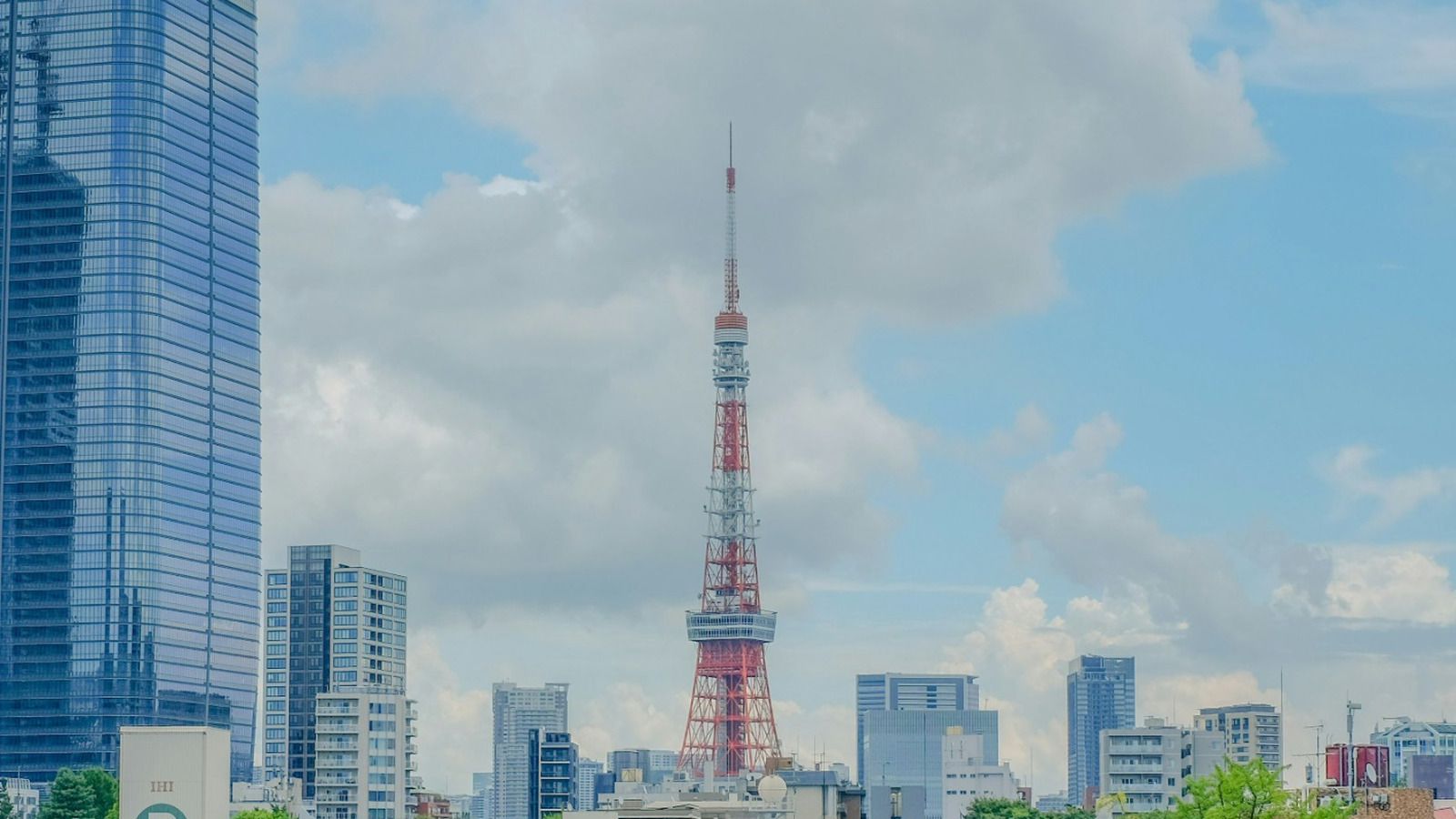
Tokyo is easier to explore when you stop treating it like one giant checklist. The real planning challenge isn’t a shortage of attractions. It’s deciding where to stay, which transport to use, how much to reserve in advance, and how to group your days so you spend less time in transit and more time experiencing the city.
This guide helps first-time visitors make those decisions, with a flexible three-day route, airport-transfer comparisons, an up-to-date subway-pass explanation, payment tips, and a realistic pre-departure checklist. It complements our cultural companion article, Tokyo Beyond the Postcards: Discovering the City’s Two Worlds, which explores local neighborhoods, food, and Tokyo beyond the standard sightseeing circuit.
At a glance: For a first Tokyo trip, choose your hotel by actual station access; plan days by area; start with a rechargeable transport card unless a pass fits your routes; and reserve only the high-demand experiences that matter to you.
1. Five decisions to make before booking anything else
Before you start booking attractions or building your itinerary, make five decisions that will shape your entire Tokyo experience.
1. How many full days will you have? Arrival and departure days rarely offer the same sightseeing time as full days. Be realistic about airport transfers, check-in, and travel fatigue.
2. Which airport will you use? Haneda and Narita have different transfer routes, costs, and journey times. Compare the complete trip to your accommodation, not just the flight price.
3. Where should you stay? Choose accommodation based on transport connections and your planned activities, rather than booking a famous neighborhood automatically.
4. What are your three must-do experiences? Identify the places or activities that matter most to you. Build your itinerary around them, leaving room for spontaneous discoveries.
5. Will you explore only Tokyo or travel farther across Japan? A Tokyo-only visit has different transport and accommodation priorities from a journey that includes Kyoto, Osaka, or other destinations.
The goal isn’t to plan every minute. It’s to make a few smart decisions early so the rest of your trip feels easier.
2. Haneda vs Narita: Which Tokyo Airport Should You Choose?
connections to the city, but choosing between them can affect your travel time, transfer costs, and arrival experience.
Haneda is closer to central Tokyo and often more convenient for short stays. Narita is farther away, but its express trains and airport buses provide several practical ways to reach major city districts.
The smartest choice isn’t necessarily the airport closest to Tokyo or the one with the cheapest flight. It’s the airport that offers the best overall journey to your accommodation.
Arriving at Haneda Airport (HND)
Haneda Airport is closer to central Tokyo, making it a convenient option for travelers who want to reach their accommodation without a lengthy airport transfer.
Two important rail connections are:
Keikyu Line: Connects Haneda with Shinagawa and other stations, with onward connections across Tokyo.
Tokyo Monorail: Connects Haneda Airport with Hamamatsucho Station, where travelers can transfer to JR lines, including the Yamanote Line.
Haneda can be especially practical for short trips. However, the best transfer depends on your hotel’s location, arrival time, and luggage.
For current train and monorail connections, routes, and airport access information, visit the official Haneda Airport website.
Arriving at Narita Airport (NRT)
Narita Airport is located farther from central Tokyo than Haneda, but it offers several convenient transport connections.
Narita Express (N’EX): Operated by JR East, this train connects Narita Airport with major stations, including Tokyo, Shinagawa, Shibuya, and Shinjuku.
Keisei Skyliner: A fast option for reaching Nippori and Keisei-Ueno, with onward rail connections to other parts of Tokyo.
Airport buses: Depending on the route, buses may be useful for reaching major stations or areas close to your accommodation.
Before choosing a transfer, compare the complete journey to your hotel, including transfers, walking distances, and luggage. A fast airport train isn’t necessarily the most convenient option if you still need multiple connections.
Buildward Lab Tip: Compare the entire airport-to-hotel journey.
Prefer a Direct Transfer from Narita Airport?
After a long flight, navigating train connections with luggage isn’t always the most convenient option. A private airport transfer can take you directly between Narita Airport and your accommodation in central Tokyo.
One option worth comparing offers flight tracking, up to 90 minutes of airport waiting time, and vehicles for groups of up to five passengers. Check the luggage allowance, pickup arrangements, and any nighttime surcharges before booking.
Button: Compare Narita Private Transfer Options
Before booking your flight, check the total transfer time, transport cost, number of connections, and distance from the final station to your hotel.
If you’re arriving late at night, verify the last available train or bus. A taxi can be considerably more expensive, particularly from Narita.
The best airport isn’t always the closest one — it’s the one that makes your complete journey easier.
For current train connections, airport access routes, and transport information, visit the official Narita Airport website.
3. Getting Around Tokyo: Trains, Subway and Transport Cards
Tokyo has one of the world’s most extensive public transport networks. Trains and subway lines connect major attractions, shopping districts, residential neighborhoods, and transport hubs.
For first-time visitors, the system can seem complicated because several railway operators serve the city. However, once you understand the basic differences, navigating Tokyo becomes much easier.
The three main networks you’ll encounter are:
JR East: Operates important urban railway services, including the Yamanote Line, which connects major areas such as Shinjuku, Shibuya, Tokyo Station, Ueno, and Shinagawa.
Tokyo Metro: Operates an extensive subway network serving many popular districts and attractions.
Toei Subway: Runs additional subway lines that complement the Tokyo Metro network.
Private railway companies also operate routes across Tokyo and surrounding areas.
Important: Not every transport ticket covers every operator. Understanding this distinction can help you avoid buying the wrong pass.
Suica vs PASMO: Which Transport Card Should You Use?
One of the easiest ways to travel around Tokyo is with a rechargeable IC card, such as Suica or PASMO.
Both cards work across many participating railway, subway, and bus networks, allowing you to tap in and out without buying individual tickets for every journey.
Suica: Issued by JR East, it can be used on participating JR, subway, and private railway services.
PASMO: Offers similar functionality and is accepted across many of the same transport networks.
For most visitors, there is little practical difference between the two. The best choice often depends on which card is easiest to obtain when you arrive.
You can also use these cards at many convenience stores, vending machines, and businesses displaying the relevant IC payment symbol.
Important: Suica and PASMO are prepaid cards, not unlimited-travel passes. The appropriate fare is deducted from your balance each time you travel.
Buildward Lab Tip: Check current card availability and mobile compatibility before your trip. Visitors may also encounter special products such as Welcome Suica, which have different validity and refund conditions.
For current Suica card information, visitor options, and usage conditions, check the official JR East website.
Is the Tokyo Subway Ticket Worth Buying?
The Tokyo Subway Ticket offers unlimited travel on Tokyo Metro and Toei Subway lines for a selected validity period. It is available in 24-hour, 48-hour, and 72-hour versions.
However, there is an important limitation: the ticket does not cover JR trains, including the popular Yamanote Line, or every private railway in Tokyo.
When is it worth buying?
If your itinerary includes several journeys on Tokyo Metro and Toei Subway lines, the pass may offer good value and convenience.
When might an IC card be better?
If you plan to use JR trains frequently, explore different railway networks, or make only a few journeys each day, paying individual fares with Suica or PASMO may be more practical.
Buildward Lab Tip: Before buying an unlimited-travel pass, check which railway lines your itinerary actually requires. Compare the current ticket price with the estimated cost of your planned journeys.
The smartest transport choice is not always the pass offering the most rides — it’s the one that matches how you intend to explore Tokyo.
For current ticket prices, validity conditions, and purchasing options, visit the official Tokyo Metro website.
How to Navigate Tokyo’s Large Train Stations
Major stations such as Shinjuku, Tokyo, and Shibuya can be surprisingly complex, with multiple railway lines, underground passages, and numerous exits.
Before starting your journey, check the train operator, line name, direction of travel, and recommended station exit. Navigation apps can help you identify the correct platform and transfer route.
Pay particular attention to station exits. Choosing the wrong exit at a large station may mean an unnecessary walk or difficulty finding your destination.
Allow extra time for transfers, especially when carrying luggage or changing between different railway operators.
Buildward Lab Tip: Save your hotel’s nearest station and recommended exit before arriving in Tokyo. This small preparation can make your first journey much easier.
4. Where to Stay in Tokyo: Choosing the Right Neighborhood
Choosing where to stay in Tokyo can have a bigger impact on your trip than choosing a hotel with the most impressive photographs.
Tokyo is enormous, and its neighborhoods offer very different experiences. Some are ideal for nightlife and shopping, while others provide quieter surroundings, cultural attractions, or convenient connections to the airport.
For first-time visitors, the best location is usually one that combines easy access to public transport with the atmosphere and activities they enjoy.
Buildward Lab Tip: Don’t choose a hotel based on the neighborhood name alone. Check the actual walking distance to the nearest station, the number of transfers required to reach your priority attractions, and the airport connection.
Shinjuku — Best for Nightlife and Transport Connections
Shinjuku is one of Tokyo’s busiest and most energetic districts, known for its shopping, restaurants, entertainment, and extensive railway connections.
Staying here can be convenient if you want easy access to different parts of the city and enjoy exploring Tokyo after dark. The area offers a wide range of accommodation, from budget-friendly business hotels to upscale properties.
However, Shinjuku Station is enormous, and navigating its many exits can be confusing for first-time visitors. Some surrounding streets are also particularly lively at night.
Best for: Travelers who enjoy nightlife, shopping, restaurants, and convenient transport connections.
Things to consider: Check your hotel’s exact location and walking route from the station. A hotel described as being near Shinjuku Station may still require a considerable walk.
Ueno — Best for Museums, Culture and Convenient Connections
Ueno is a practical base for travelers who enjoy museums, parks, traditional neighborhoods, and convenient transport connections without staying in Tokyo’s busiest nightlife districts.
The area is home to Ueno Park, several major museums, and the lively Ameyoko shopping streets. It also provides easy access to Asakusa, Yanaka, and other interesting parts of eastern Tokyo.
Ueno Station offers connections to JR services, Tokyo Metro, and regional railway networks. The nearby Keisei-Ueno Station is particularly useful for travelers using the Keisei Skyliner to or from Narita Airport.
Best for: Museum lovers, cultural travelers, and visitors who want to explore eastern Tokyo.
Things to consider: Streets around Ameyoko and the station can be busy. For quieter accommodation, check the hotel’s precise location rather than assuming the entire district has the same atmosphere.
Asakusa — Best for Traditional Tokyo and Historic Atmosphere
Asakusa offers a glimpse of Tokyo’s traditional character, with historic streets, small shops, local eateries, and the famous Sensoji Temple at the heart of the neighborhood.
Staying here can be particularly appealing if you prefer a more traditional atmosphere over the bright lights and nightlife of western Tokyo. Early mornings are especially enjoyable, when the streets around the temple are generally quieter before the main sightseeing crowds arrive.
Asakusa is connected by several rail and subway services, including the Tokyo Metro Ginza Line and Toei Asakusa Line. However, reaching some western districts may take longer or require transfers.
Best for: Travelers interested in temples, traditional architecture, local food, and exploring eastern Tokyo.
Things to consider: The streets around Sensoji can become very crowded during the day. Check your hotel’s exact location and transport connections, particularly if you plan frequent visits to Shinjuku or Shibuya.
For a hands-on cultural experience in Asakusa, consider a traditional Kintsugi workshop near Sensoji Temple. Guided by a local artisan, you can discover the Japanese art of repairing ceramics while learning about the philosophy of finding beauty in imperfections. Workshop tools and materials are provided, and English-speaking assistance is available.
Shibuya — Best for Shopping, Modern Culture and Nightlife
Shibuya is one of Tokyo’s most recognizable districts, famous for its pedestrian crossing, contemporary fashion, shopping centers, cafés, and energetic nightlife.
Staying in Shibuya puts you close to some of Tokyo’s most popular modern attractions. The district also offers convenient railway connections, including the JR Yamanote Line, Tokyo Metro, and several private railway services.
Shibuya is particularly appealing to travelers who want to experience Tokyo’s contemporary culture, explore fashionable neighborhoods, and enjoy restaurants and entertainment after dark.
However, the streets around Shibuya Station can be extremely busy, especially during evenings and weekends. Travelers seeking peaceful surroundings may prefer accommodation slightly away from the busiest entertainment streets.
Best for: Shopping enthusiasts, younger travelers, nightlife lovers, and visitors interested in contemporary Japanese culture.
Things to consider: Check the hotel’s precise location, nearby station entrances, and surrounding nightlife before booking.
Buildward Lab Experience Tip: If you’re interested in exploring Shibuya’s food scene but prefer plant-based meals, a guided vegan food tour can take some of the guesswork out of finding suitable restaurants. The Vegan Friendly Sushi & Okonomiyaki Shibuya Night Foodie Tour combines local guidance with vegan Japanese dishes and drinks during a 3.5-hour experience.
Explore the Shibuya Vegan Food Tour on Viator →
Tokyo Station & Ginza — Best for Central Connections and Comfortable City Stays
The Tokyo Station and Ginza areas are excellent options for travelers who value convenient transport connections, shopping, dining, and a central location.
Tokyo Station is one of Japan’s major railway hubs, with JR services, Shinkansen connections, and access to several important destinations. Staying nearby can be especially practical if your journey includes Kyoto, Osaka, or other cities in Japan.
Ginza offers a more polished urban atmosphere, known for its department stores, elegant shopping streets, restaurants, and cultural attractions. The area is served by several subway lines, making it convenient for exploring central Tokyo.
Both areas provide a wide choice of accommodation, although prices vary considerably depending on the hotel, location, and travel dates.
Best for: Travelers prioritizing central transport connections, shopping, dining, and onward rail journeys.
Things to consider: Tokyo Station is a large complex with multiple exits, while Ginza covers a wider area than visitors might expect. Check the hotel’s actual distance from the most useful station and railway lines.
5. How Many Days Do You Need in Tokyo?
Tokyo is a city that rewards both careful planning and spontaneous exploration. How many days you need depends on your interests, travel pace, and whether you’re visiting other destinations in Japan.
Three full days: Enough for a rewarding introduction to Tokyo’s major districts, including Asakusa, Shibuya, Shinjuku, and central Tokyo. You’ll need to prioritize your interests and group nearby attractions together.
Five full days: A more comfortable option for first-time visitors who want to explore beyond the famous landmarks. You’ll have time for museums, traditional neighborhoods, food experiences, and quieter discoveries without rushing.
Seven days or more: Ideal for travelers who want a slower pace, deeper cultural exploration, and the flexibility to include day trips or specialized experiences.
Remember that arrival and departure days are rarely equivalent to full sightseeing days. Airport transfers, hotel check-in, and travel fatigue can significantly reduce your available time.
Buildward Lab Tip: Don’t measure a successful Tokyo trip by the number of attractions you visit. A well-planned itinerary leaves room to experience each neighborhood rather than simply checking it off a list.
6. A Practical Three-Day Tokyo Itinerary
Tokyo is too large and diverse to explore efficiently by jumping between distant attractions throughout the day. A better approach is to group nearby neighborhoods and create a flexible itinerary around each area.
This three-day route combines traditional districts, modern Tokyo, cultural attractions, and time for personal discoveries. It is designed for first-time visitors who want a meaningful introduction to the city without turning their holiday into a race.
Each day focuses on a different part of Tokyo, reducing unnecessary transport and allowing more time to enjoy the places you visit.
Buildward Lab Tip: Treat this itinerary as a practical starting point, not a strict schedule. Adjust it to your interests, accommodation location, weather, and any attractions requiring advance reservations.
Day 1 — Traditional Tokyo: Asakusa & Ueno
Morning — Explore Asakusa and Sensoji Temple
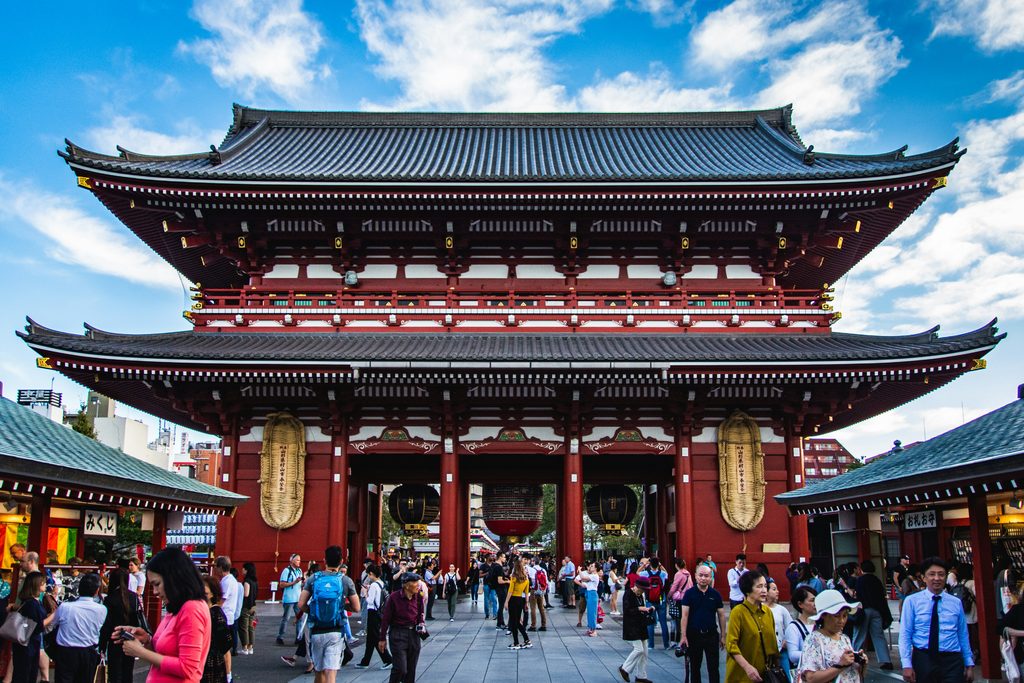
Begin your day in Asakusa, one of Tokyo’s most recognizable traditional districts. Visit Sensoji Temple, walk through the historic Kaminarimon Gate, and explore Nakamise Shopping Street, where small shops sell traditional snacks, souvenirs, and local specialties.
Arriving earlier in the morning can make the temple surroundings more enjoyable before the busiest sightseeing hours. Keep in mind that individual shops may not yet be open.
Afternoon — Discover Ueno Park and Its Museums
Travel to Ueno, where you can explore Ueno Park and choose from several cultural attractions, including the Tokyo National Museum and the National Museum of Nature and Science.
Rather than attempting to visit every museum, select one that matches your interests and allow enough time to enjoy it.
Evening — Explore Ameyoko
Finish the day around Ameyoko, a lively shopping area near Ueno Station, known for its market-style atmosphere, shops, and casual food options.
Why this route works: Asakusa and Ueno are relatively close and connected by the Tokyo Metro Ginza Line, making it practical to combine traditional streets, museums, and local food in one day.
Buildward Lab Tip: Check museum opening days before your visit. Many museums have regular weekly closing days, and schedules can change around public holidays.
Day 2 — Modern Tokyo: Meiji Jingu, Harajuku, Shibuya & Shinjuku
Morning — Meiji Jingu and Harajuku
Begin your morning at Meiji Jingu, a Shinto shrine surrounded by a peaceful forested area near Harajuku Station. Walking through its tree-lined paths offers a striking contrast to the busy streets of central Tokyo.
Continue toward Harajuku, known for its youth fashion, creative shops, and lively Takeshita Street. If you prefer a calmer atmosphere, explore nearby Omotesando, with its distinctive architecture, cafés, and boutiques.
Afternoon — Discover Shibuya
Travel to Shibuya and experience its famous pedestrian crossing, shopping streets, and contemporary urban culture.
Take time to explore the surrounding area rather than visiting the crossing only for a photograph. Shibuya offers numerous cafés, shops, and interesting streets beyond its best-known landmark.
If you want panoramic city views, consider reserving an observation experience in advance, depending on availability and weather.
Evening — Experience Shinjuku After Dark
Finish your day in Shinjuku, where illuminated streets, restaurants, and entertainment districts reveal another side of Tokyo.
Choose a restaurant, enjoy an evening walk, or explore the lively surroundings at your own pace.
Why this route works: Meiji Jingu, Harajuku, Shibuya, and Shinjuku form a practical route through western Tokyo, with convenient railway connections between the main districts.
Buildward Lab Tip: This day involves considerable walking. Wear comfortable shoes and avoid adding too many attractions. Meiji Jingu is best visited during its opening hours, which vary seasonally.
Day 3 — Central Tokyo: Tsukiji, Ginza & a Special Experience
Morning — Explore Tsukiji Outer Market
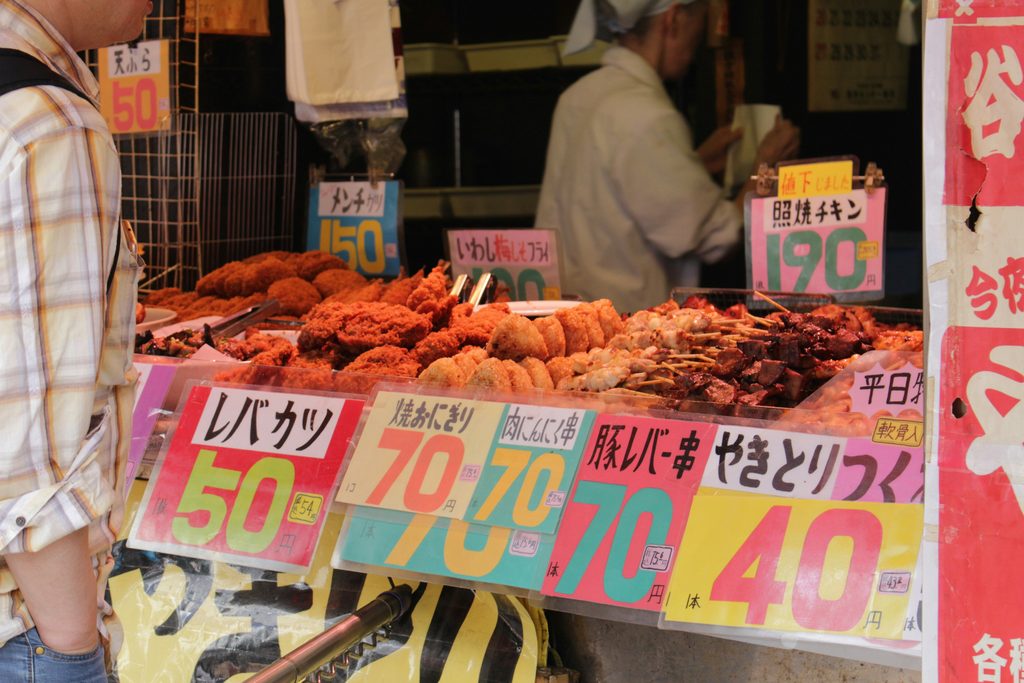
Start your day at Tsukiji Outer Market, a lively food district known for seafood, traditional ingredients, small restaurants, and specialty shops.
Although Tokyo’s main wholesale fish market moved to Toyosu in 2018, Tsukiji Outer Market remains an active destination for food lovers.
Arrive in the morning to explore its narrow streets and discover Japanese culinary traditions. Be considerate of businesses and other visitors, and avoid blocking busy walkways.
Afternoon — Discover Ginza
Continue to nearby Ginza, one of Tokyo’s most elegant shopping and dining districts.
Explore its department stores, architectural landmarks, galleries, and cafés. Even without luxury shopping plans, Ginza is an interesting area for observing Tokyo’s contemporary design and urban culture.
Allow time for a relaxed lunch or a visit to a department-store food hall, where you can discover beautifully presented Japanese specialties
Late Afternoon — Choose a Special Tokyo Experience
For a hands-on introduction to Japanese tea culture, consider
[matcha-making class in Asakusa], where you can learn to prepare matcha and enjoy traditional Japanese sweets. Allow extra travel time from Ginza and check the available class times before booking.
Use the final part of your day for an experience that matches your interests.
Options might include an immersive art exhibition, a Japanese cooking workshop, a cultural activity, or a visit to another nearby neighborhood.
If you choose an attraction in the Toyosu area, check its location, admission requirements, and available time slots before arranging your route.
Why this route works: Tsukiji and Ginza are close enough to combine comfortably, leaving time for a pre-booked afternoon activity without rushing between distant districts.
Buildward Lab Tip: Don’t confuse Tsukiji Outer Market with Toyosu Market. They are separate locations with different visitor experiences. Check individual opening hours, as some market businesses close earlier in the day or on particular dates.
7. Best Time to Visit Tokyo: Seasons, Weather and Crowds
Tokyo is a year-round destination, but each season offers a different experience. Weather, seasonal events, accommodation demand, and crowd levels can all influence the best time for your visit.
Spring (March–May): Cherry Blossoms and Mild Weather
Spring is especially popular for cherry blossoms, parks, and generally comfortable sightseeing temperatures. However, sakura bloom dates vary each year, and popular viewing locations can become extremely crowded.
Late April and early May also include Golden Week, a major Japanese holiday period when domestic travel demand can increase significantly.
Summer (June–August): Festivals, Heat and Humidity
Summer brings seasonal festivals and lively evening events, but Tokyo can be very hot and humid, particularly in July and August.
The early summer rainy season can bring periods of unsettled weather. Plan outdoor activities carefully, allow indoor breaks, and stay hydrated.
Autumn (September–November): Comfortable Exploration and Fall Colors
Autumn is attractive for walking, cultural visits, and seasonal foliage. Temperatures generally become more comfortable as the season progresses.
September and October can still be affected by tropical storms, so monitor forecasts and transport updates. Autumn foliage in central Tokyo often reaches its most colorful period later than visitors expect.
Winter (December–February): Crisp Days and Seasonal Illuminations
Winter offers cooler weather, seasonal light displays, and opportunities to experience Tokyo with a different atmosphere.
Although snowfall is relatively uncommon in central Tokyo, cold temperatures and shorter daylight hours require some planning. New Year holidays can affect business hours and attraction availability.
Buildward Lab Tip: There is no universally perfect month to visit Tokyo. Choose your travel dates according to your preferred weather, activities, budget, and tolerance for crowds. For cherry blossoms and autumn foliage, consult updated seasonal forecasts rather than relying on fixed calendar dates.
8. Tokyo Travel Budget: How to Plan Your Spending
Tokyo can accommodate very different travel budgets, from economical stays and casual local restaurants to luxury hotels and premium experiences. The key is understanding where your money will go rather than relying on a single advertised daily budget.
Accommodation: Hotel prices vary depending on location, season, room size, and booking conditions. Compare properties near convenient transport connections, not just those in famous neighborhoods.
Food: Tokyo offers everything from affordable noodle shops, casual restaurants, and convenience-store meals to high-end dining. Mixing different dining experiences can help you manage costs while exploring Japanese cuisine.
Transportation: Estimate your planned journeys before purchasing a transport pass. A rechargeable IC card may be more suitable than an unlimited subway ticket, depending on your routes.
Attractions and experiences: Many neighborhoods, parks, and public spaces can be explored without an admission fee. Museums, observation decks, workshops, and guided experiences may require separate tickets or advance reservations.
Unexpected expenses: Leave room in your budget for luggage storage, additional transport, weather-related changes, and spontaneous activities.
Buildward Lab Tip: Separate your budget into accommodation, food, local transport, activities, and a contingency allowance. This gives you a more realistic picture of your total spending than relying on a fixed daily estimate that may not reflect your travel style.
9. Cash, Cards and Payments in Tokyo: What Travelers Should Know
Tokyo has become increasingly convenient for cashless payments, but carrying some Japanese yen is still a sensible precaution.
Credit and debit cards: International payment cards are widely accepted at hotels, department stores, major attractions, and many restaurants. However, smaller establishments may have different payment policies.
Cash: Some traditional restaurants, small shops, ticket machines, and local businesses may still require cash. Keep a modest amount of Japanese yen available rather than relying entirely on electronic payments.
ATMs: Seven Bank and Japan Post Bank ATMs can be useful options for international travelers. Check card compatibility, withdrawal limits, and any fees charged by the ATM operator or your own bank.
Mobile payments: Not every foreign-issued smartphone wallet or payment app is supported by every Japanese merchant. Carry a physical payment card as a backup.
Transport IC cards: Suica and PASMO can also be used for purchases at many participating convenience stores, vending machines, and other businesses.
Buildward Lab Tip: Use a combination of payment methods: an internationally accepted bank card, some Japanese yen, and a rechargeable IC card where appropriate. This provides flexibility without requiring you to carry large amounts of cash.
10. What to Book in Advance in Tokyo — and What Can Wait?
Tokyo offers countless attractions and experiences, but not everything needs to be booked before you arrive. The key is knowing which reservations protect your plans and which activities are better left flexible.
Popular observation decks: Attractions such as SHIBUYA SKY may offer timed-entry tickets. If you want a particular time, especially around sunset, check availability and booking conditions in advance.
Immersive art experiences: Popular exhibitions, including teamLab attractions, may require advance tickets or specific entry times. Always verify the current venue, ticket conditions, and opening schedule.
Cultural workshops: Sushi-making classes, Japanese cooking experiences, and other small-group activities may have limited capacity. Booking ahead can be useful when an experience is a priority.
Special restaurants: Some highly sought-after restaurants require reservations, while many casual eateries welcome walk-in customers. Research individual restaurants rather than assuming all dining in Tokyo needs advance planning.
Guided experiences: A knowledgeable local guide can add value when you want cultural interpretation, a structured food experience, or help exploring an unfamiliar area. However, many of Tokyo’s neighborhoods and public attractions are enjoyable without a guide.
Buildward Lab Tip: Reserve your three most important experiences first. Keep the rest of your itinerary flexible enough to accommodate weather, unexpected discoveries, and changes in energy levels.
11. Common Tokyo Travel Mistakes First-Time Visitors Should Avoid
Tokyo is remarkably welcoming to visitors, but a few common planning mistakes can make your trip more expensive, tiring, or complicated than necessary.
1. Underestimating walking distances. Even with excellent public transport, exploring Tokyo involves considerable walking. Large stations, underground passages, and transfers can add unexpected time and distance.
2. Choosing accommodation based only on the neighborhood name. A hotel in a popular district isn’t automatically convenient. Check its actual distance from the nearest station and your planned attractions.
3. Buying the wrong transport pass. Not every unlimited-travel ticket covers JR, Tokyo Metro, Toei Subway, and private railway services. Always check which lines are included.
4. Planning attractions on opposite sides of the city. Group nearby neighborhoods to avoid spending unnecessary time traveling back and forth.
5. Overloading your arrival day. Immigration, luggage collection, airport transfers, and jet lag can take more time and energy than expected.
6. Relying entirely on cashless payments. Keep some Japanese yen available, particularly for smaller businesses that may not accept your preferred payment method.
7. Ignoring Japanese holiday periods. Golden Week, New Year, and other busy periods can affect accommodation demand, transportation, reservations, and opening schedules.
8. Booking every hour of your itinerary. Tokyo offers countless unexpected discoveries. Leave enough flexibility to explore places that catch your attention.
Buildward Lab Tip: Good travel planning should reduce stress, not create a strict timetable. Prioritize the experiences that matter most and allow room for spontaneous exploration.
12. Tokyo Pre-Departure Checklist: What to Prepare Before You Go
A little preparation before departure can save you considerable time and confusion when you arrive in Tokyo.
Use this practical checklist to make sure the essentials are covered.
1. Check your entry requirements. Verify passport validity, visa requirements, and any applicable entry conditions for your nationality through official Japanese government sources.
2. Review Visit Japan Web. Japan’s official online service allows travelers to prepare certain immigration and customs procedures before arrival. Check the current instructions and eligibility requirements.
3. Plan your airport transfer. Confirm whether you’re arriving at Haneda or Narita and identify the most convenient route to your accommodation.
4. Save your hotel’s details. Keep the full address, contact information, nearest railway station, and recommended station exit accessible offline.
5. Arrange mobile internet access. Compare international roaming, an eSIM, a local SIM, or portable Wi-Fi according to your phone’s compatibility and travel needs.
6. Prepare your payment methods. Bring an internationally accepted bank card and plan how to obtain Japanese yen. Consider whether a transport IC card will be useful.
7. Reserve your priority attractions. Check whether observation decks, cultural workshops, museums, or other experiences require timed-entry tickets.
8. Download useful information. Save essential booking confirmations, important addresses, and offline maps where possible.
9. Check the weather and local conditions. Review the forecast shortly before departure, particularly during periods of intense heat, heavy rain, or tropical storms.
10. Keep your itinerary flexible. Leave room for unexpected discoveries, schedule changes, and rest.
11. Review your travel insurance. Check that your policy covers medical treatment abroad, emergency assistance, and any activities you plan to undertake in Japan.
Buildward Lab Tip: You don’t need to organize every detail before arriving. Focus on the essentials that would be difficult or expensive to arrange at the last minute.
For official information about preparing immigration and customs procedures before arriving in Japan, visit the Visit Japan Web service provided by Japan’s Digital Agency.
13. Final Thoughts: Plan Smart, Explore Freely
Tokyo doesn’t need to be complicated, even for first-time visitors. Once you understand the transport system, choose a convenient place to stay, and organize your itinerary by neighborhood, exploring the city becomes much easier.
The most rewarding Tokyo experiences aren’t always the most expensive or the most famous. Sometimes they’re found in a quiet street, a neighborhood restaurant, a peaceful garden, or an unexpected conversation.
Use this guide to prepare the essentials, but leave enough room for curiosity. A successful trip isn’t about seeing everything — it’s about experiencing the places that matter to you.
Plan the essentials. Leave room for Tokyo to surprise you.
Discover another side of Tokyo: For traditional neighborhoods, local food, cultural discoveries, and places beyond the usual tourist routes, explore our companion guide, Tokyo Beyond the Postcards: Discovering the City’s Two Worlds — Part 1.
Ready to experience Tokyo beyond the guide? Discover our handpicked tours, cultural activities, and unforgettable local experiences — and find the perfect addition to your trip.
Affiliate disclosure: This link may earn us a commission at no extra cost to you.
Plan Your Next Trip With Less Guesswork
Exploring Tokyo is just the beginning. Get our free Travel Planning Handbook to organize your next adventure with more confidence and less stress.