
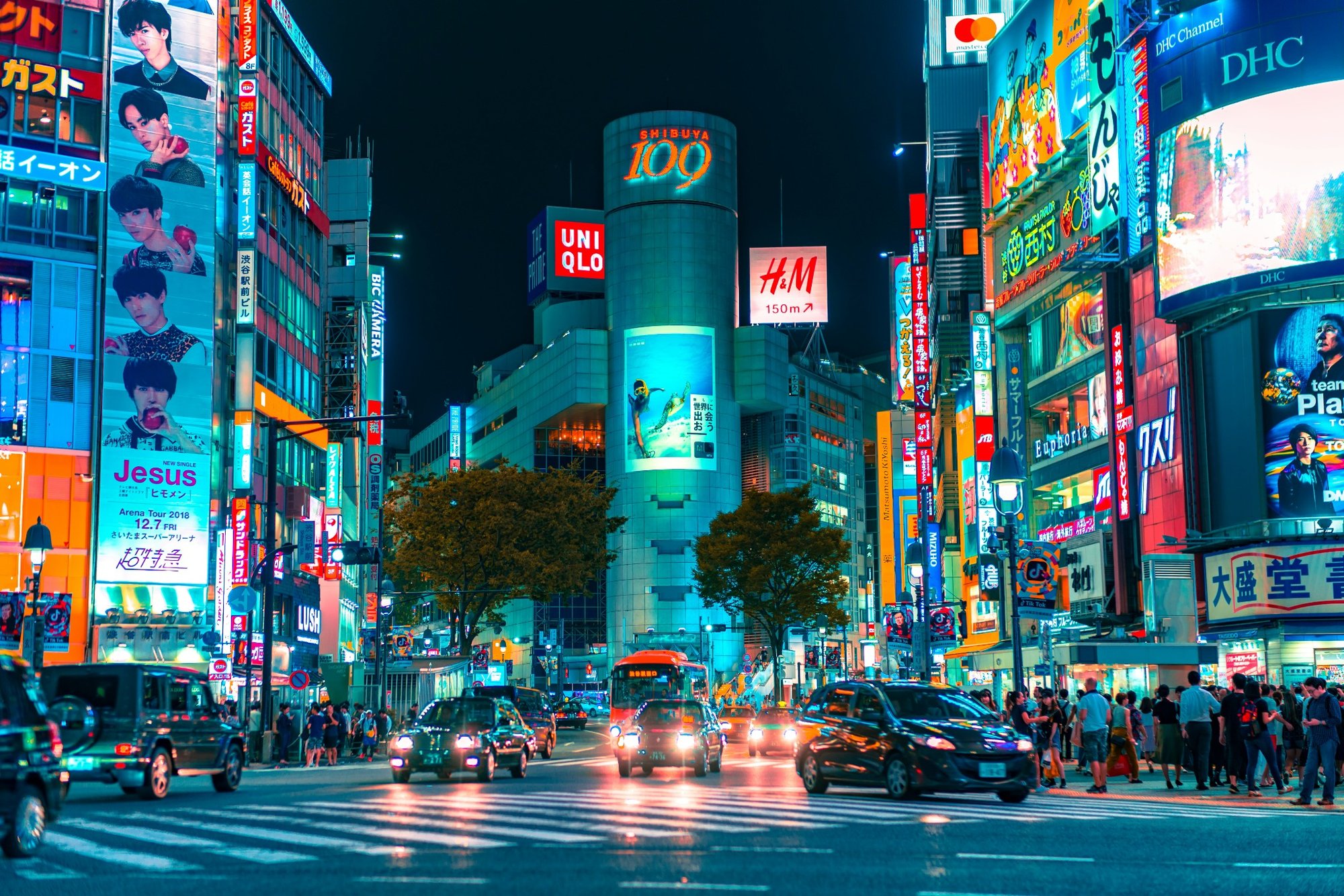
There is a version of Tokyo that almost everyone knows before they arrive.
Towering buildings glow with enormous screens. Pedestrians move through busy intersections. Trains arrive and depart, and entire neighborhoods seem to change character after sunset.
It is the Tokyo of travel videos, films, and photographs — exciting, energetic, and impossible to ignore.
But what happens when you leave the famous crossing behind?
You might find yourself walking beside a traditional garden pond, browsing a small neighborhood shopping street, discovering a historic shrine, or spending an afternoon among independent bookstores and cafés.
These experiences are not exceptions to Tokyo’s identity. They are part of it.
To understand Tokyo, you have to look beyond its most recognizable images.
Shibuya and Shinjuku: The Tokyo of Neon and Movement
Shibuya is one of the city’s most recognizable districts.
Its famous scramble crossing captures the intensity of urban Tokyo: crowds approaching from different directions, illuminated buildings, shopping streets, and an extraordinary sense of movement.
Yet the surrounding neighborhood offers more than a single intersection.
Fashion boutiques, restaurants, contemporary shopping complexes, cafés, and cultural spaces make Shibuya a place to explore rather than simply photograph.
Nearby streets reveal smaller businesses and different sides of the district’s creative character.
Shinjuku presents another expression of Tokyo’s energy.
West of Shinjuku Station, tall office buildings shape the skyline. To the east, department stores, restaurants, entertainment venues, and illuminated streets create a different atmosphere.
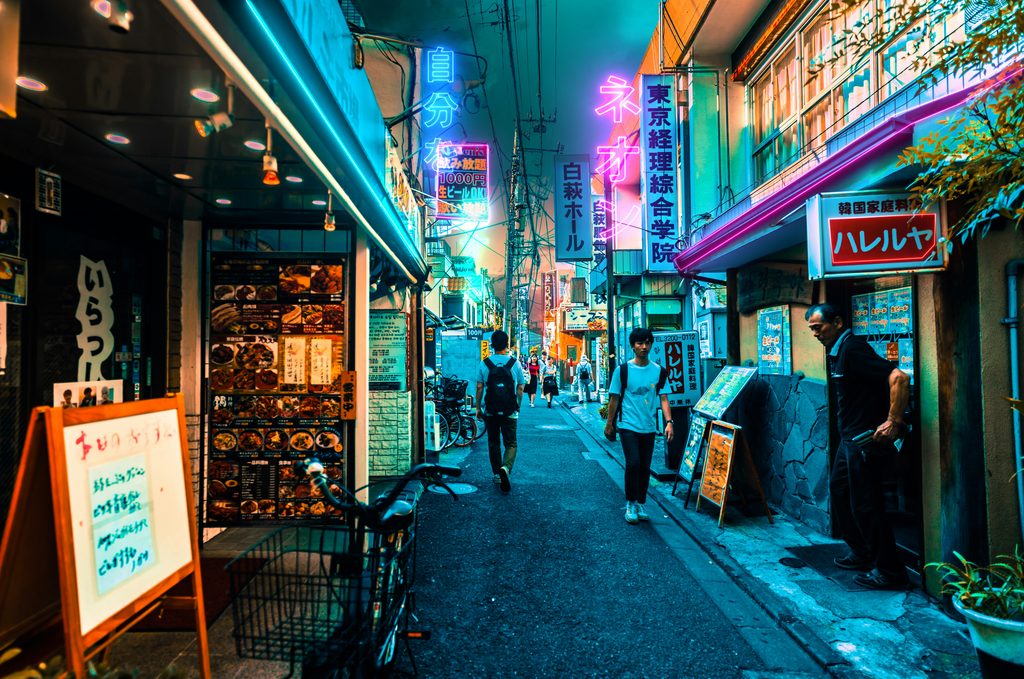
After dark, parts of Shinjuku become especially cinematic.
For a first-time visitor, these districts are worth experiencing. Their intensity is genuine, and the famous sights are famous for a reason.
But they are not the whole city.
A different Tokyo begins when you give yourself permission to slow down.
Want to discover a different side of Shinjuku after dark? Beyond the bright lights and busy streets, the neighborhood reveals narrow backstreets, hidden corners, and a fascinating mix of nightlife and local culture.
For travelers who prefer exploring with a local guide, the Shinjuku Historical Walking Tour & Secret Backstreets offers a private evening walk through areas including Kabukicho, Golden Gai, and Hanazono Shrine.
Explore the Shinjuku Historical Walking Tour & Secret Backstreets →
Asakusa: Where Tokyo’s Past Remains Part of Everyday Life
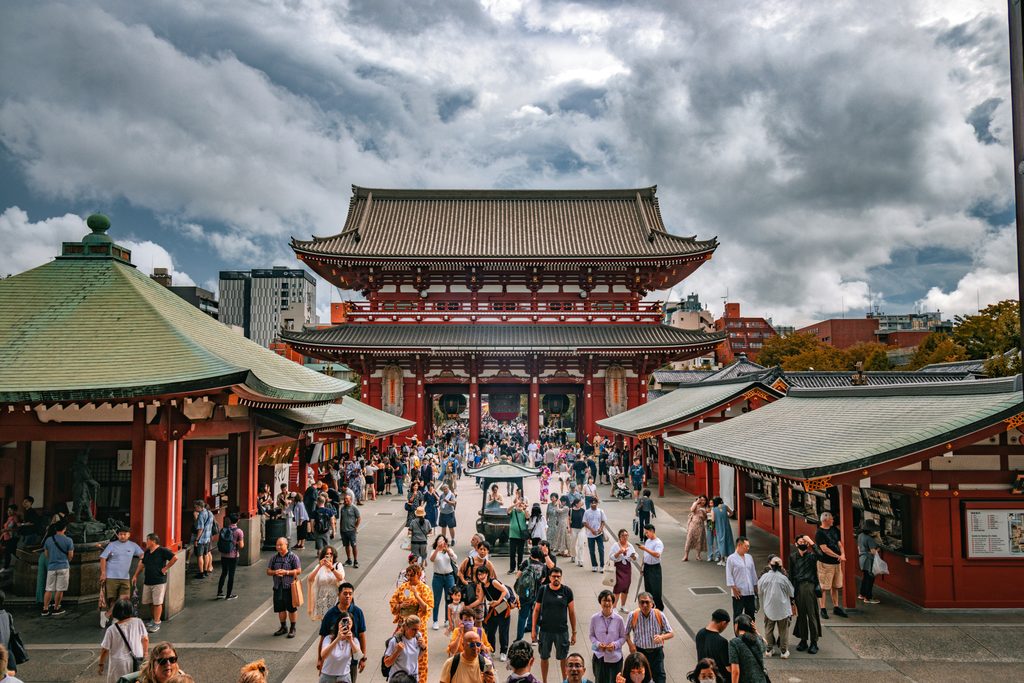
In eastern Tokyo, Asakusa offers a striking change of scenery.
The enormous red lantern at Kaminarimon Gate marks the approach to Sensoji, one of the city’s best-known Buddhist temples.
Beyond the gate, Nakamise shopping street leads toward the temple complex, lined with shops selling souvenirs, traditional goods, and snacks.
The area is lively and popular with visitors. It is not a hidden corner of Tokyo, nor is it a place untouched by modern tourism.
Its appeal comes from something more interesting: the way historic landmarks remain surrounded by an active contemporary neighborhood.
Take time to explore beyond the main approach to Sensoji. Nearby streets offer restaurants, shops, and opportunities to notice a different rhythm of city life.
Then walk toward the Sumida River.
From the riverside, Tokyo Skytree rises above the surrounding buildings, bringing the modern skyline back into view.
It is one of Tokyo’s most memorable contrasts: a historic temple district and a contemporary cityscape within the same neighborhood.
A different way to explore: Rather than treating Asakusa as a quick photo stop, combine the temple area with nearby streets and a walk along the river.
If you would like to explore Asakusa beyond its busiest streets, a guided walking tour can add valuable context to what you see. This two-hour small-group experience visits Sensō-ji Temple, Asakusa Shrine, Nakamise Shopping Street, and other historic corners of the neighborhood, with insights from a local English-speaking guide.
Explore the Asakusa Senso-ji Temple and Old Tokyo Walking Tour on Viator.
Yanaka and Nezu: A Slower Side of Tokyo
For travelers who enjoy wandering through neighborhoods, Yanaka and Nezu offer a rewarding change of pace.
Part of the wider Yanesen area, these districts are associated with Tokyo’s older downtown character, often described by the Japanese word shitamachi.
Their appeal lies in narrow streets, small shops, temples, cafés, and the details of everyday life.
Yanaka Ginza is a neighborhood shopping street where visitors can browse food shops and other local businesses.
It has become a popular destination in its own right, but it still offers a different scale of shopping experience from Tokyo’s enormous commercial centers.
The nearby Yuyake Dandan staircase provides a familiar view over the street.
Continue toward Nezu and you can visit Nezu Shrine, known for its historic buildings, greenery, and a pathway lined with red torii gates.
This part of Tokyo rewards a different approach to sightseeing.
There is no need to rush from landmark to landmark. Choose a direction, explore the smaller streets, and allow time for unexpected stops.
A quiet café, an interesting shopfront, or a neighborhood detail may become the moment you remember most.
A different way to explore: Set aside several unhurried hours for Yanaka and Nezu rather than squeezing them between distant attractions.
Kiyosumi Shirakawa: Gardens, Coffee, and Contemporary Art
Kiyosumi Shirakawa shows how traditional and contemporary Tokyo can coexist without competing for attention.
The neighborhood is known for its coffee culture, art spaces, and historical character.
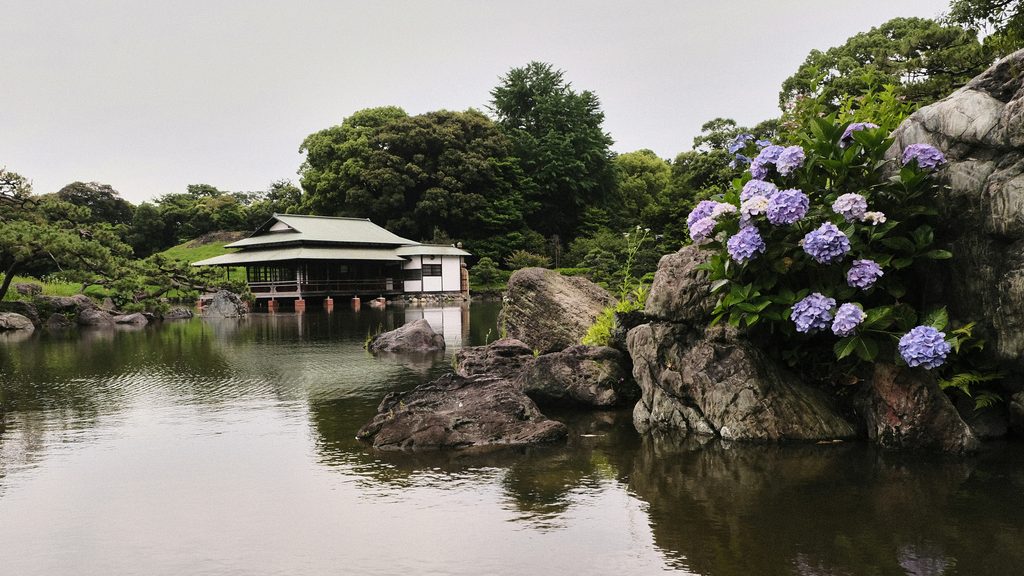
One of its highlights is Kiyosumi Gardens, a Japanese landscape garden arranged around a large pond.
Stone paths, carefully positioned rocks, trees, and seasonal plants invite visitors to experience the scenery from changing perspectives.
The pleasure of visiting is not simply reaching a particular viewpoint.
It is the act of walking slowly, noticing reflections in the water, and seeing how the landscape changes from one position to another.
Outside the garden, the neighborhood offers a very different experience.
Independent coffee shops and roasters contribute to Kiyosumi Shirakawa’s modern identity.
The Museum of Contemporary Art Tokyo, located in nearby Kiba Park, adds another dimension for visitors interested in Japanese and international art.
A day here can combine three experiences that might initially seem unrelated: traditional garden design, contemporary art, and modern café culture.
Together, they tell a richer story about Tokyo.
A different way to explore: Plan a garden visit followed by coffee, and add the museum if its current exhibitions and opening schedule suit your interests.
Shimokitazawa: Tokyo’s Independent Creative Spirit
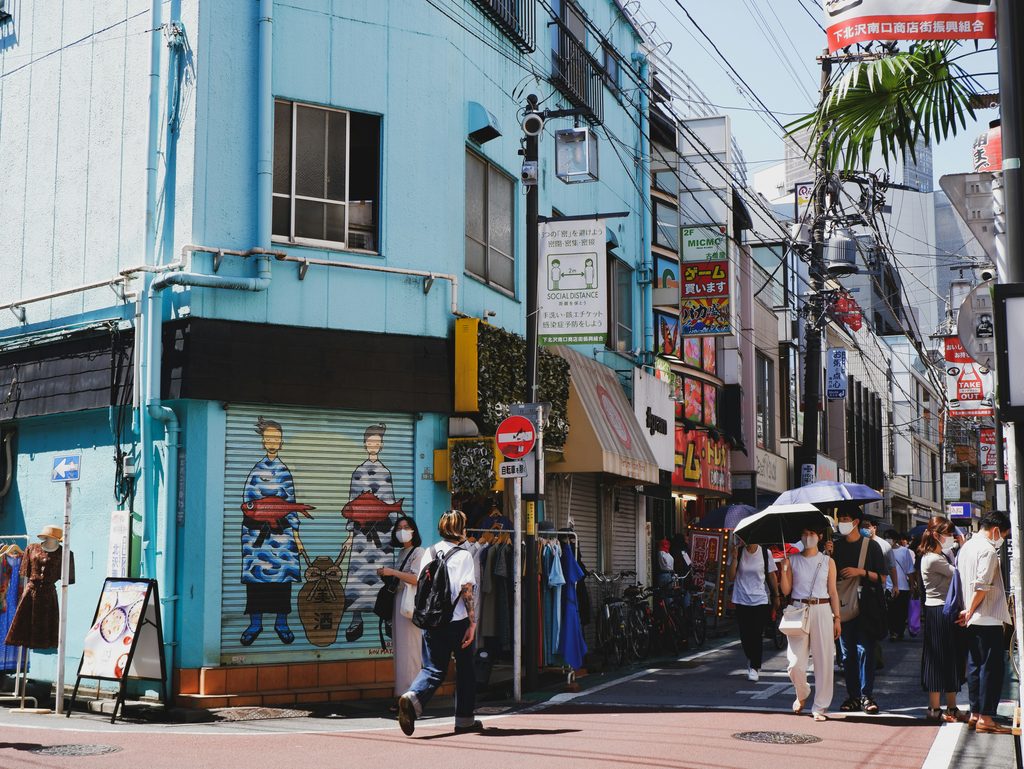
Not every alternative to Tokyo’s busiest districts is traditional or historic.
Shimokitazawa, often called Shimokita, is known for vintage clothing shops, bookstores, record stores, cafés, and a lively independent cultural scene.
Its character feels different from the large shopping districts nearby.
Instead of following a list of famous attractions, visitors can spend an afternoon browsing secondhand clothing, exploring music shops, or discovering a small café.
The neighborhood is particularly appealing to travelers interested in design, fashion, music, and contemporary urban culture.
It also challenges a common simplification about Tokyo.
The city is not divided neatly into futuristic neighborhoods and traditional neighborhoods.
There are countless other identities in between.
Shimokitazawa is one of them.
A different way to explore: Visit with a few hours to spare, browse according to your interests, and resist the temptation to turn every stop into a scheduled attraction.
The Shopping Streets That Tell a Different Story
Tokyo’s department stores and enormous shopping complexes can be fascinating.
But smaller shopping streets reveal another side of the city’s commercial life.
Known as shotengai, these streets and shopping areas may contain food shops, independent businesses, cafés, and services used by local residents.
They are places of everyday activity, not simply tourist attractions.
That distinction matters.
When visiting a neighborhood shopping street, remember that people may be working, shopping, or moving through their normal routines.
Keep entrances clear, respect photography restrictions, and avoid treating private businesses or residents as scenery.
For travelers, these streets can offer an opportunity to notice how different neighborhoods function beyond their major landmarks.
Sometimes a simple walk provides more insight than another crowded attraction.
Tokyo’s Food Culture Goes Far Beyond Sushi and Ramen
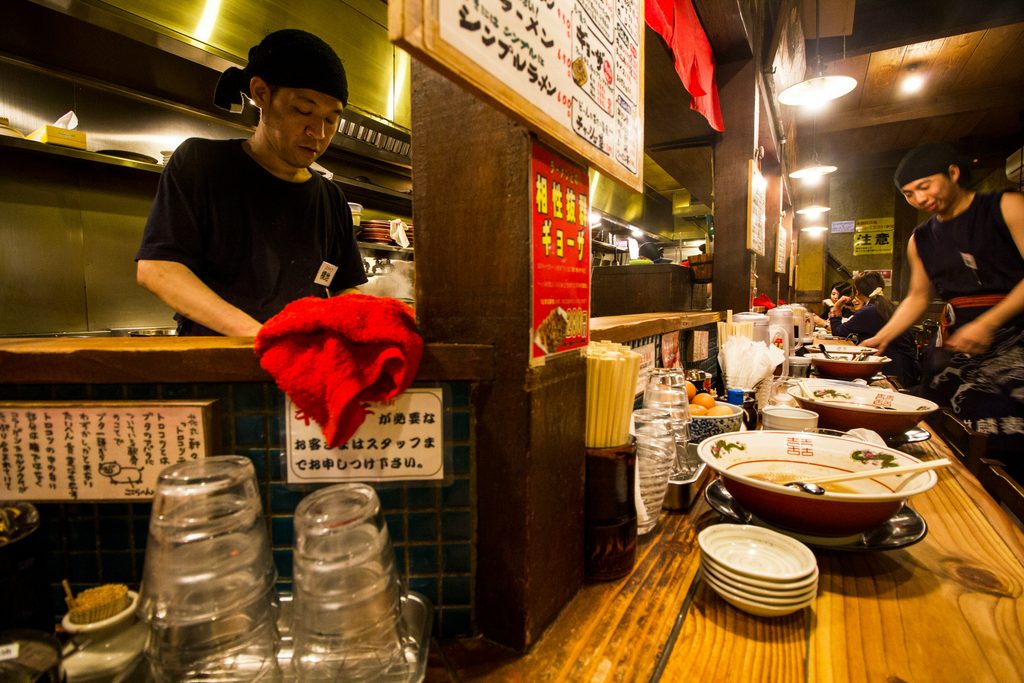
Tokyo is an extraordinary destination for food lovers.
Sushi and ramen are familiar starting points, but they represent only a small part of the city’s culinary possibilities.
Some dishes are closely connected to the history of Edo, the name Tokyo held before the modern era.
Soba noodles, tempura, and Edomae-style sushi all have important historical associations with the city.
Tokyo also has distinctive local specialties.
Monjayaki is a savory dish prepared from a relatively thin batter and other ingredients on a hot griddle. The Tsukishima area is particularly associated with it.
Fukagawa meshi is a rice dish associated with clams and the historic Fukagawa area.
These foods offer a different perspective on the city from an internationally familiar restaurant menu.
Food can also shape the way you explore.
A neighborhood lunch, a department-store food hall, a small restaurant, or a cooking experience can become part of the journey rather than simply a break between attractions.
For travelers who enjoy learning through participation, a suitable cooking workshop can offer insight into ingredients and preparation methods.
For travelers who want to go beyond simply tasting Japanese food, a hands-on ramen cooking class in Shibuya offers a different way to explore Tokyo’s culinary culture.
The experience focuses on three popular ramen styles — tonkotsu, shoyu, and miso — giving participants an opportunity to learn more about ramen preparation.
Explore the Shibuya Ramen Cooking Class on Viator.
The most rewarding food experience is not necessarily the most expensive or famous.
It may simply be the one that helps you understand something new.
Everyday Etiquette: Small Details That Matter
Discovering a city also means paying attention to how shared spaces are used.
Tokyo is a diverse modern metropolis, so no single description can capture how everyone behaves.
Still, a few practical habits can help visitors travel considerately.
On public transport: Keep conversations at a considerate volume and avoid phone calls in passenger areas.
When taking photographs: Respect signs and restricted areas. Ask permission before photographing individuals, particularly when they are the main subject of your image.
In queues: Wait your turn and avoid blocking entrances or walkways.
At restaurants: Tipping is not customary. In some izakaya, a small appetizer called otoshi may be served automatically and associated with a seating charge.
In residential neighborhoods: Remember that attractive streets may also be people’s homes and workplaces.
These are not mysterious rules that make Tokyo difficult to visit.
They are simple ways to make travel more comfortable for everyone.
Three Ways to Experience a Different Tokyo
If you want to look beyond the standard sightseeing checklist, consider building one slower experience into your visit.
1. History and Neighborhood Life: Yanaka and Nezu
Explore Yanaka Ginza, browse the surrounding streets, and visit Nezu Shrine.
This is a good choice for travelers interested in traditional architecture, small shops, and neighborhood atmosphere.
2. Gardens and Creative Culture: Kiyosumi Shirakawa
Walk through Kiyosumi Gardens, enjoy a coffee break, and consider a visit to the Museum of Contemporary Art Tokyo.
This combination suits travelers who enjoy landscapes, design, and art.
3. Independent Shops and Contemporary Culture: Shimokitazawa
Spend an afternoon exploring vintage stores, bookstores, cafés, and music shops.
This is an appealing option for travelers who prefer discovering places through their own interests rather than following a fixed sightseeing route.
These are flexible neighborhood ideas, not tightly timed itineraries. Check individual venues before visiting and leave room for spontaneous discoveries.
How to Make Tokyo Feel Less Overwhelming
Tokyo offers so much that it is easy to plan too much.
A first-time visitor might try to fit Shibuya, Shinjuku, Asakusa, several museums, a garden, and a long list of restaurants into a single day.
But more stops do not necessarily create a better experience.
One useful approach is to organize your day around a neighborhood or a small group of nearby places.
Allow time for walking, finding your way through stations, taking breaks, and enjoying something unexpected.
Choose a few experiences that genuinely interest you instead of collecting landmarks simply because they are famous.
And remember that a quiet afternoon is not wasted travel time.
It may be the part of Tokyo that stays with you longest.
The Tokyo You Remember
Perhaps you will remember the illuminated streets of Shinjuku.
Perhaps it will be the energy of Shibuya Crossing, the lantern at Sensoji, or the view across the Sumida River.
But it might also be something smaller.
A coffee shop you discovered by chance.
A peaceful moment beside a garden pond.
A conversation in a neighborhood store.
An afternoon spent wandering through streets you had never heard of before.
Tokyo’s appeal does not come from offering one perfect image of Japan.
It comes from the extraordinary variety of experiences that exist within the same city.
Enjoy the famous sights. Follow the bright lights. Explore the places you have dreamed of seeing.
Then leave enough space for the city to surprise you.
Because the most memorable Tokyo is not always the one you planned to find.
Discover More of Tokyo
Tokyo has far more to offer than its famous landmarks. From traditional crafts and local food experiences to guided neighborhood walks, explore a curated selection of activities that can add something memorable to your trip.
Find an experience that matches your interests and travel style.
Affiliate disclosure: Some links in this article are affiliate links. If you book through them, Buildward Lab may earn a commission at no additional cost to you.