
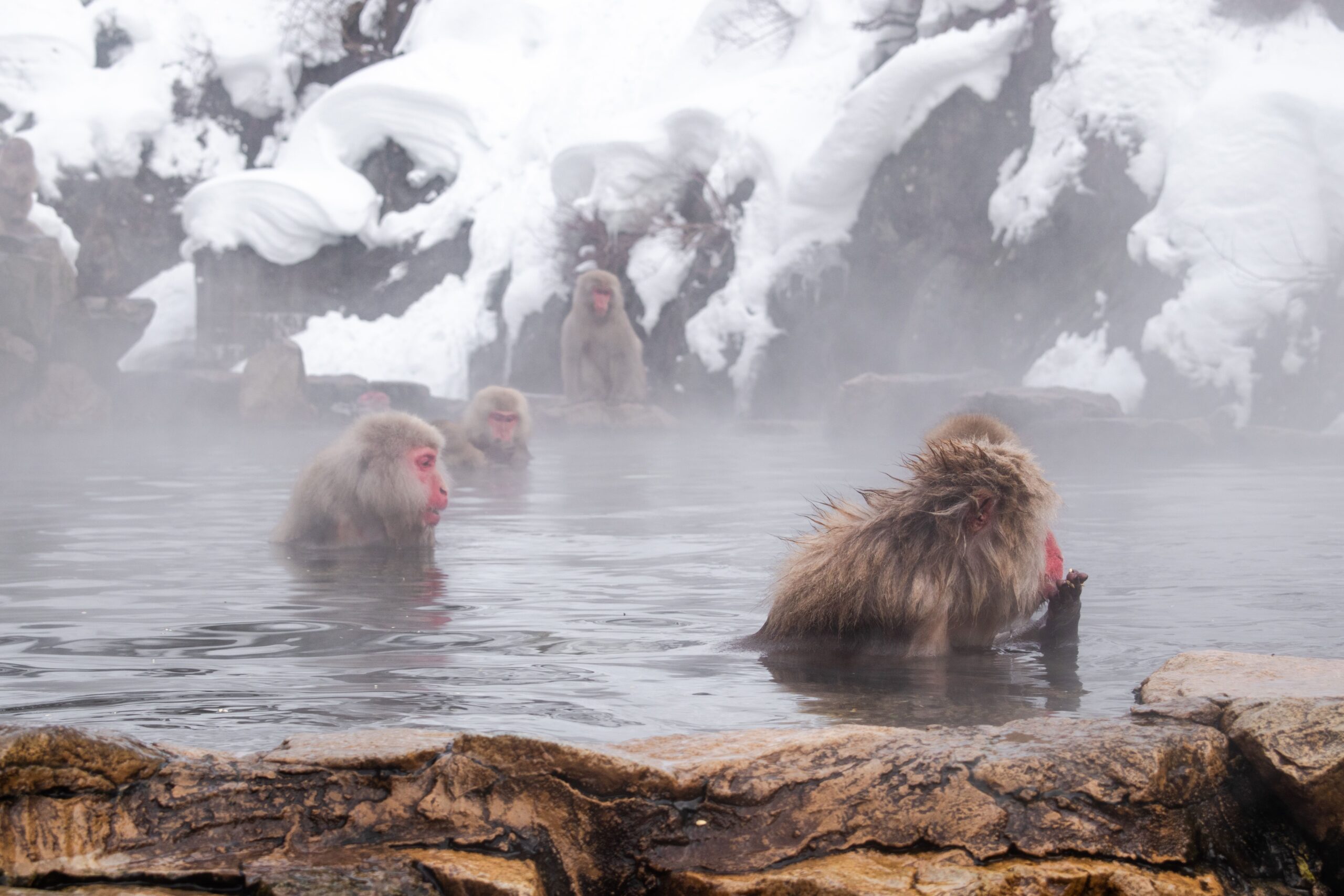
Most travelers hear the name Nagano and picture Japanese snow monkeys relaxing in steaming hot springs. But the story of this mountainous region goes far beyond its most famous residents.
In Nagano City, a Buddhist temple has protected a sacred image from public view for more than 1,300 years. Beneath its main hall, visitors can walk through a passage in complete darkness, following a centuries-old spiritual tradition.
Beyond the city, in the forests of Jigokudani, wild Japanese macaques have developed an unusual habit: bathing in hot spring water during the cold winter months. What began with the discovery of a warm bathing spot became a behavior passed between generations.
And between these extraordinary experiences lies another side of Nagano worth discovering — traditional streets, handmade buckwheat noodles, savory oyaki dumplings, local sake and the slower rhythms of mountain life.
Just around 90 minutes from Tokyo by Shinkansen, Nagano offers a different perspective on Japan: one shaped by pilgrimage, wildlife, food traditions and the surrounding mountains.
This practical two-day Nagano guide will help you experience more than the famous sights. You’ll discover the stories behind them, how to reach them, what to book in advance, which local foods to try and how to avoid common planning mistakes.
Whether you’re exploring independently or considering a guided experience, the goal is simple: make every day in Nagano count.
Affiliate Disclosure: Some links in this guide are affiliate links. If you book through them, Buildward Lab may earn a small commission at no extra cost to you. Our recommendations are chosen to help you make the most of your trip.
Getting to Nagano & Planning Your Stay
One of Nagano’s biggest surprises is how easily you can reach it from Tokyo. In roughly 80–110 minutes, the Hokuriku Shinkansen carries you away from Japan’s bustling capital toward a region where mountains, ancient temples and centuries-old traditions shape everyday life.
And while the snow monkeys attract visitors from around the world, Nagano deserves more than a hurried day trip.
How to Get to Nagano from Tokyo
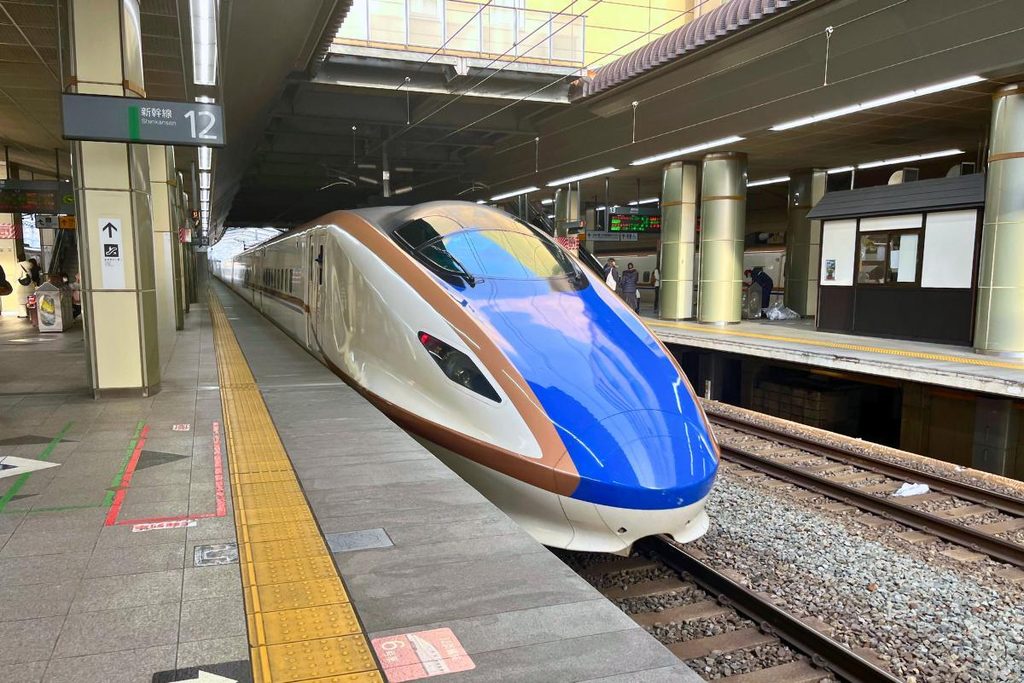
The most convenient option is the Hokuriku Shinkansen, departing from Tokyo Station or Ueno Station and arriving at Nagano Station.
Journey times depend on the train service, but most travelers can expect approximately 1.5 hours, with some services taking longer.
Nagano Station is the ideal starting point for exploring the city and organizing excursions into the surrounding mountains.
Practical tip: Check train times and fares through JR East before traveling, particularly during Japanese national holidays and busy travel periods. If you’re planning to arrive from another Japanese city, confirm the connections before booking accommodation.
Where Should You Stay in Nagano?
Your choice of accommodation can make a real difference, especially when you have only two days.
Near Nagano Station — Best for Convenience
If you’re planning to explore independently, staying near the station is usually the easiest option.
You’ll have convenient access to the Shinkansen, local trains, restaurants and buses departing toward Snow Monkey Park. This is particularly helpful if you want an early start on your second day.
Near Zenko-ji Temple — Best for Atmosphere
For a different experience, consider accommodation around Zenko-ji.
The streets surrounding this historic temple have welcomed pilgrims for centuries. Staying nearby gives you the opportunity to experience a quieter side of Nagano, particularly in the early morning before the main sightseeing crowds arrive.
For something more memorable, look into a traditional shukubo — temple lodging associated with Zenko-ji. Depending on the property and booking plan, a stay may offer an opportunity to experience Buddhist hospitality, vegetarian temple cuisine or religious observances.
Check individual accommodation arrangements carefully, as facilities, meals and guest experiences vary.
How to Organize Your Two Days
Rather than rushing between attractions, I recommend giving each day a distinct character.
Day 1 — Discover the Spiritual and Cultural Heart of Nagano
Begin with Zenko-ji Temple, explore the surrounding historic streets, discover the stories behind its religious traditions and leave time to taste some of Nagano’s regional specialties.
Day 2 — Meet the Snow Monkeys and Explore the Mountains
Travel toward Jigokudani Snow Monkey Park, where Japanese macaques roam through a forested valley famous for its natural hot springs.
Allow enough time for transportation, the forest walk and observing the animals without rushing. Depending on your return schedule, you may also have time to experience the nearby hot spring culture.
Is one night enough?
Yes, if you arrive in Nagano early on the first day and leave late on the second. However, two nights will make the itinerary more comfortable, particularly in winter or if you prefer a slower pace.
And remember: Nagano’s mountain weather can change your plans. Build flexibility into your itinerary rather than scheduling every hour.
With the practical arrangements in place, it’s time to discover the city itself — beginning with a temple that has drawn pilgrims for nearly fourteen centuries.
Day 1 – The Sacred Heart of Nagano: Zenko-ji and the Old Temple Town
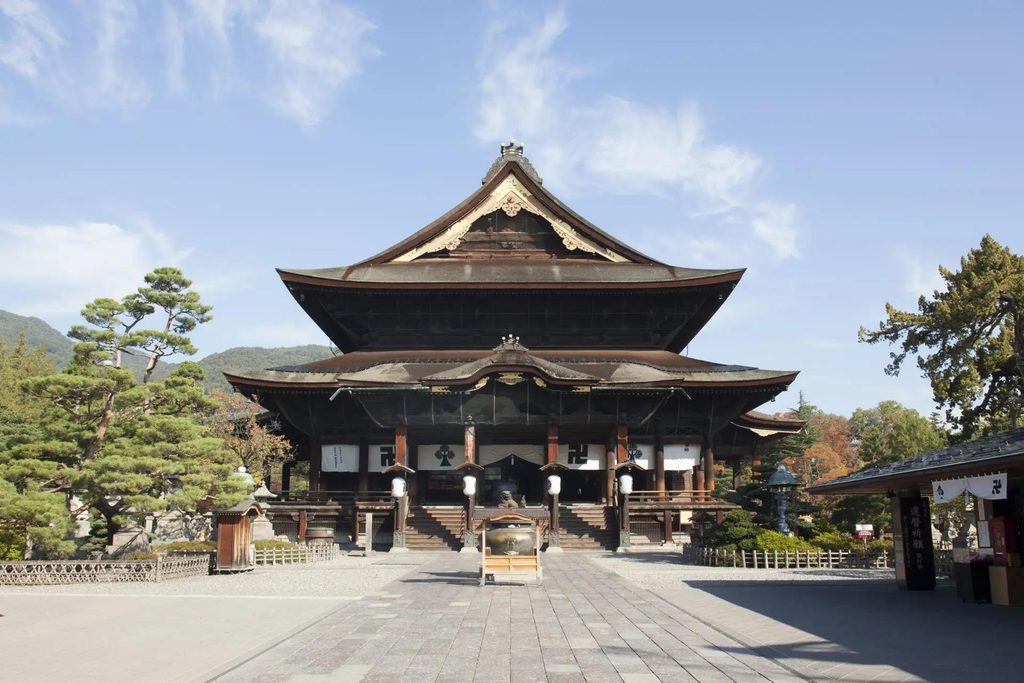
Morning: Zenko-ji — The Temple Built Around a Hidden Mystery
Why would generations of pilgrims travel across Japan to visit a sacred statue that no one is allowed to see?
The answer lies at Zenko-ji, a Buddhist temple whose history is closely connected to the birth and development of Nagano itself.
According to the temple’s founding tradition, a sacred image of Amida Buddha arrived in Japan from the Korean Peninsula in the sixth century. At a time when Buddhism was still a new and sometimes controversial religion in Japan, the image became caught in a conflict over religious beliefs.
Legend tells that the statue was thrown into a waterway near present-day Osaka before being recovered by a man named Yoshimitsu Honda, who brought it to the region now known as Nagano.
In 642, the sacred image was enshrined at the site of Zenko-ji. Since 654, the original statue has remained completely hidden from public view.
Even today, visitors cannot see it.
What makes Zenko-ji remarkable is that, throughout its history, the temple has welcomed worshippers regardless of their religious affiliation, social position or gender.
Over the centuries, pilgrims traveled extraordinary distances to pray here. Their journeys helped transform the surrounding settlement into the temple town that eventually became modern Nagano.
But the most unusual experience at Zenko-ji is not something you see.
It is something you experience in complete darkness.
O-Kaidan Meguri: Finding Your Way Through Darkness
Beneath Zenko-ji’s magnificent wooden Main Hall lies a passage where visitors enter a world without light.
This experience, known as O-Kaidan Meguri, is part of a Buddhist spiritual tradition.
After descending the stairs, you follow the passage by keeping a hand against the wall. Somewhere along the route is a metal object known as the Key to Paradise or Key of Enlightenment.
According to Buddhist tradition, touching this key symbolizes a spiritual connection with the temple’s hidden Amida Buddha.
The experience is strikingly simple. There are no elaborate visual effects or performances. The complete darkness is what makes the passage memorable.
Important: This is a genuinely dark, enclosed space. Visitors uncomfortable with darkness, confined spaces or restricted visibility should consider skipping it. Move carefully and follow the temple’s instructions.
Access to O-Kaidan Meguri requires an Inner Sanctuary admission ticket.
Another Special Experience: The Morning Ceremony
If you’re staying near Zenko-ji, consider beginning your day before the usual sightseeing hours.
Every morning, the temple holds O-Asaji, a Buddhist ceremony whose starting time changes throughout the year with the sunrise.
Visitors may also witness O-Juzu Chodai, a traditional blessing in which a senior priest or priestess gently touches the heads of kneeling participants with Buddhist prayer beads.
This is a religious observance, not a tourist performance. Visitors should remain respectful and follow the instructions of temple staff.
For travelers interested in Japanese spiritual traditions, it offers an opportunity to experience Zenko-ji as an active place of worship rather than simply a historic monument.
Check the exact ceremony time before visiting, especially if you need to travel from Nagano Station early in the morning.
How to Visit Zenko-ji: Practical Information
Getting there: From Nagano Station, leave through the Zenkoji Exit and take a Zenko-ji-bound bus from stop No. 1. Get off at Zenkoji Daimon and continue on foot to the Main Hall.
The bus ride takes approximately 15 minutes, followed by a short walk.
Alternatively, you can walk from Nagano Station in around 30 minutes. This is a good option if you want to explore the streets leading toward the temple.
Entrance: The temple grounds and outer area of the Main Hall are free to visit.
The Inner Sanctuary ticket, which includes O-Kaidan Meguri, currently costs ¥800 for adults. Check the official website for updated admission fees and opening hours.
Allow approximately 2–3 hours if you want to visit the Main Hall, experience the dark passage, explore the gates and enjoy the historic approach at a relaxed pace.
Don’t miss the Sanmon Gate. When upper-floor access is available, visitors can enjoy views across the temple precincts and surrounding city. Check its separate admission arrangements before entering.
Want to Understand More of the Temple’s History?
Zenko-ji also provides information about free volunteer-guided tours organized by Bonsho no Kai.
Depending on arrangements, these guided visits can last from around 30 minutes to two hours and are offered in several languages, including English.
It’s worth checking availability in advance if you’d enjoy discovering the temple’s stories with someone who can explain the symbolism and local traditions.
Official temple website: https://www.zenkoji.jp/en/
Free volunteer tour information: https://www.zenkoji.jp/en/tour/
And once you’ve explored the temple, don’t rush back to the station.
The streets leading away from Zenko-ji reveal another side of Nagano — one filled with old merchant buildings, regional delicacies and food traditions shaped by life in the Japanese mountains.
Late Morning & Afternoon: Nakamise Street and the Flavors of Old Nagano
What does a mountain region taste like?
In Nagano, the answer begins with ingredients that helped generations of families survive long winters — buckwheat, vegetables, miso and preserved foods.
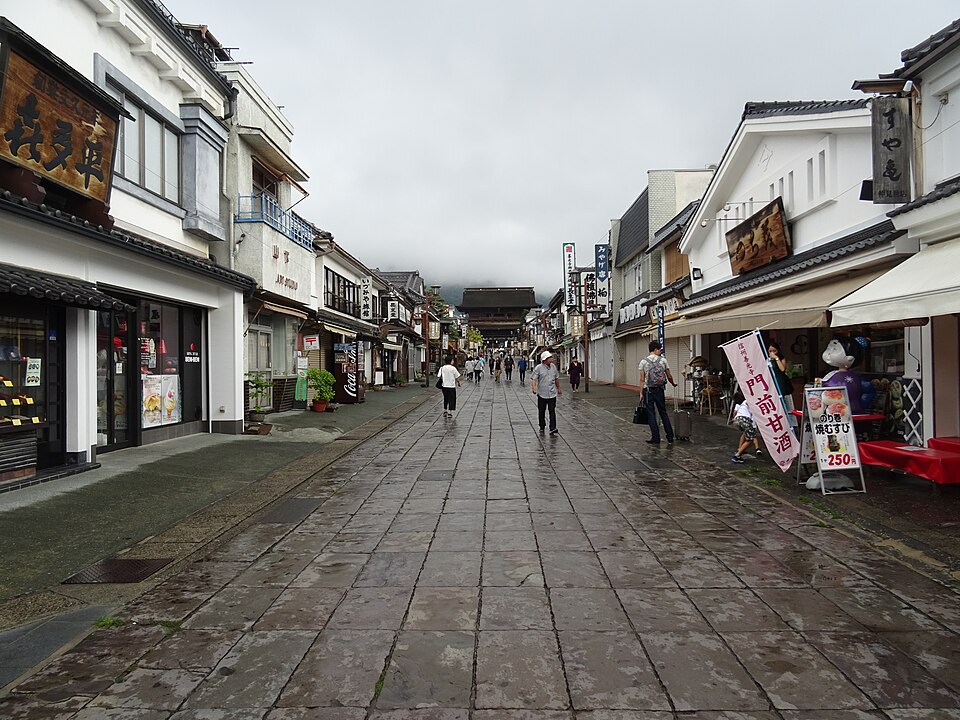
As you leave Zenko-ji’s Main Hall and walk back through the impressive Sanmon Gate, you’ll reach Nakamise Street, the historic shopping approach between Sanmon and Niomon Gates.
For generations, the area around Zenko-ji has served pilgrims arriving from across Japan. Today, its traditional shops, steaming food stalls and small restaurants offer a delicious introduction to Nagano’s regional culture.
But don’t rush through Nakamise just to buy souvenirs. Some of the most interesting things here are meant to be tasted — or made with your own hands.
Oyaki: The Mountain Food That Became a Local Treasure
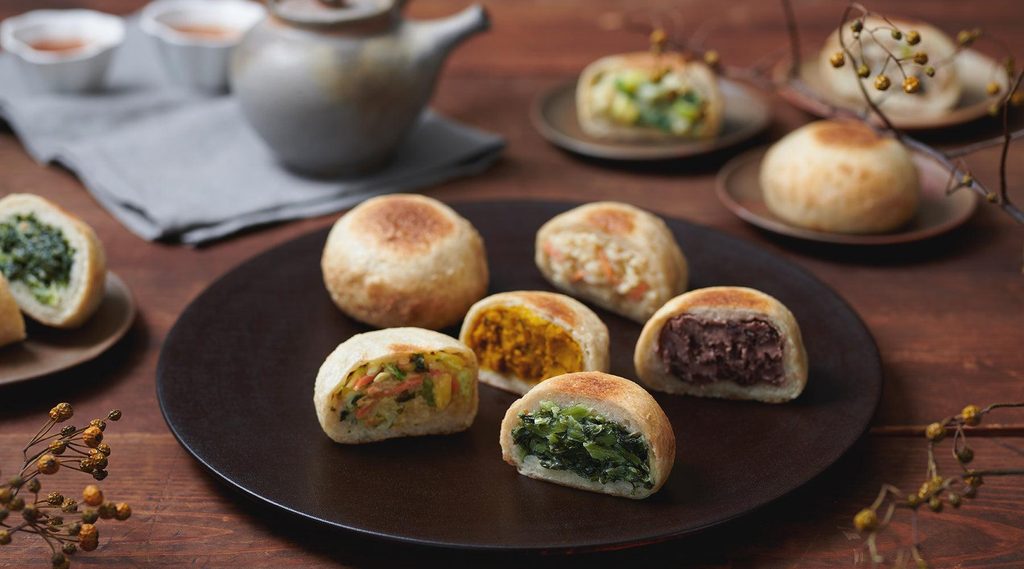
Before tasting Nagano’s famous oyaki, it helps to understand why these humble stuffed buns became so important.
Much of Nagano is mountainous, and historically, growing rice was difficult in many areas. Farmers relied on crops better suited to the terrain and climate, including wheat and buckwheat.
From these ingredients came oyaki — dough wrapped around seasonal fillings and traditionally baked or grilled.
What began as everyday food for mountain communities is now one of Nagano’s best-loved specialties.
Try nozawana, filled with locally popular pickled greens, or miso-seasoned eggplant for something savory. Pumpkin offers a sweeter, comforting flavor, while red bean paste makes a satisfying dessert.
Some oyaki are steamed until soft; others are grilled, giving the dough a slightly smoky character.
For a more memorable experience, try making your own.
At Ogawa no Sho in Patio Daimon, on the approach to Zenko-ji, visitors can experience traditional oyaki preparation around an irori, a Japanese hearth.
Depending on the available program, you may be able to shape the dough, add your own filling and watch the buns cook over the fire.
It’s a wonderful way to understand how a simple regional food connects generations of Japanese families.
Check the current workshop arrangements before visiting, as participation and operating schedules may vary.
Shinshu Soba: More Than a Bowl of Noodles
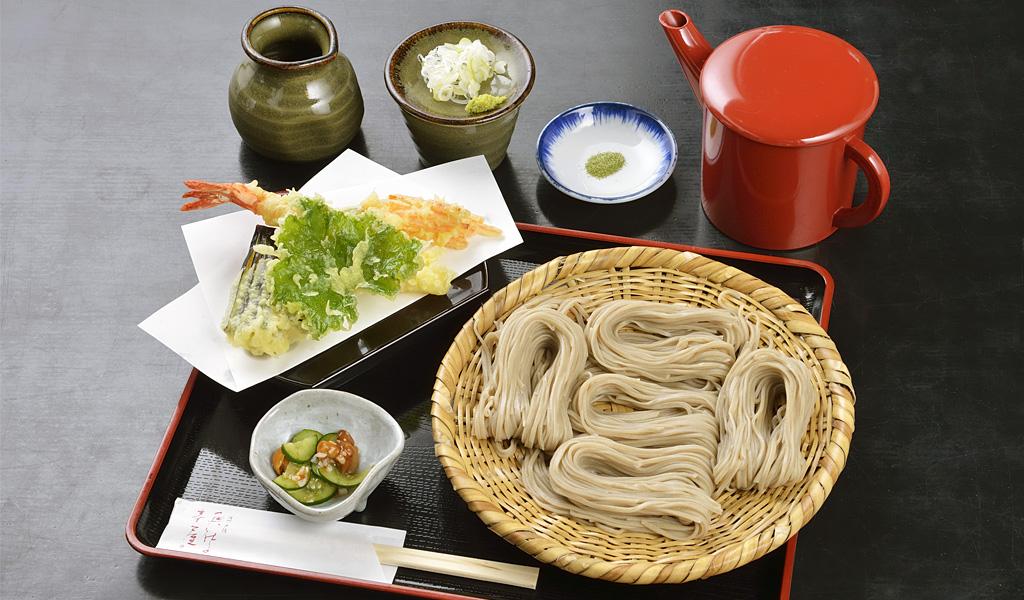
If you’re choosing just one traditional meal in Nagano, make time for Shinshu soba.
Soba noodles are made primarily from buckwheat flour, a crop that has long been associated with Nagano’s mountainous landscape.
The preparation looks deceptively simple. Buckwheat flour is mixed into a dough, rolled thinly and cut into delicate noodles. Yet achieving the right texture and aroma requires considerable skill.
For lunch, try cold zaru soba, served on a bamboo tray with dipping sauce, or a warming bowl of kake soba in broth, particularly appealing during Nagano’s colder months.
If you’re curious about Japanese cooking techniques, a soba-making lesson can turn an ordinary lunch into an experience. Learning how difficult it is to cut perfectly even noodles gives you a new appreciation for the craftsmanship behind the dish.
Food tip: Soba is not automatically gluten-free. Many recipes contain wheat flour, and traditional dipping sauces may contain fish-based ingredients. Travelers with allergies or dietary restrictions should confirm the ingredients directly with the restaurant.
An Unexpected Dessert — and a 290-Year-Old Spice Tradition
Nagano’s food culture has a playful side, too.
Along Nakamise, look for miso-flavored soft-serve ice cream. The idea may sound unusual, but miso’s savory character creates an interesting contrast with the sweetness of the ice cream.
And before leaving the temple district, consider visiting Yawataya Isogoro, a local spice maker whose history dates back to 1736.
Its signature product is shichimi togarashi, a Japanese seasoning blend traditionally made with seven ingredients.
At the main shop near Zenko-ji, visitors can explore different combinations of spices and may be able to create a personalized blend.
It’s a small experience, but one that connects directly to everyday Japanese cooking — and makes a more meaningful souvenir than another refrigerator magnet.
Explore Nagano’s Flavors with a Local Guide
Want to experience Nagano’s food traditions with someone who knows the city? This 3-hour guided walk combines two traditional oyaki dumplings, a matcha dessert, sake tasting and local stories around Zenko-ji.
An English-speaking local guide brings the experience to life. Free cancellation up to 24 hours before the tour and Reserve Now & Pay Later are available.
Discover the Nagano Food & Culture Walk →
Want to discover more of Nagano?
From cultural walks and local food experiences to mountain adventures, there’s more to explore. You’ll find our handpicked collection of Nagano experiences at the end of this guide, where you can choose what suits your trip best.
Practical Tips for Exploring Nagano’s Food Streets
Allow approximately 1–2 hours to explore Nakamise and the surrounding streets, taste regional snacks and enjoy a relaxed lunch. Add extra time if you’re joining a cooking activity.
Many traditional shops close by late afternoon, so don’t leave your food discoveries until the evening.
For the most comfortable experience, explore Zenko-ji first, then make your way downhill through Nakamise and toward Patio Daimon before returning to the station area.
If you’re visiting with dietary restrictions, ask about ingredients in advance. Vegetable-filled foods are not necessarily vegan, and some sauces and seasonings contain fish or wheat.
And if you’re interested in local sake, save a little time for a tasting offered by a local brewery or specialty shop. Alcohol tastings are restricted to adults aged 20 and over in Japan.
By the end of the afternoon, you’ll have experienced Nagano in two very different ways: through the spiritual traditions of Zenko-ji and through the foods that have sustained its mountain communities for generations.
But the city still has another side to reveal after the temple shops begin closing.
Evening: Nagano After Dark — Lantern-Lit Streets, Local Food and Sake
As the last visitors leave Zenko-ji and the temple shops begin closing, Nagano takes on a different atmosphere.
The bustling streets grow quieter, the wooden temple gates stand against the evening sky, and the small restaurants scattered through the city begin welcoming their dinner guests.
This is a lovely time to discover Nagano without a sightseeing schedule — simply by following its streets, food and local traditions.
Explore Gondo — Nagano’s Lively Old Entertainment District
A short walk south of Zenko-ji brings you toward Gondo, one of Nagano’s historic shopping and entertainment districts.
Unlike the traditional approach to the temple, Gondo has a more everyday character. Its covered shopping arcade, narrow side streets, small restaurants and illuminated signs offer a glimpse of the city beyond its famous attractions.
The district developed alongside Nagano’s temple-town culture and still combines older businesses with modern cafés, bars and casual eateries.
Wander through the arcade and explore the surrounding lanes. You’ll find everything from ramen restaurants to traditional izakaya — informal Japanese pubs where people gather over food and drinks.
You don’t need to visit a bar to enjoy Gondo. The atmosphere itself makes for an interesting evening stroll.
If you’re staying near Nagano Station, you can continue walking south afterward or take the Nagano Dentetsu train from Gondo Station.
What to Eat for Dinner in Nagano
After a day of temple visits, walking and tasting regional snacks, dinner is the perfect opportunity to explore another side of Shinshu cuisine.
For something warming, try a bowl of miso ramen. Nagano has a strong tradition of fermented foods, and miso is one of its best-known local products.
A rich miso-based broth, springy noodles and fresh toppings make an especially comforting meal during the colder months.
If you’d prefer to sample several dishes, choose an izakaya serving regional ingredients.
Look for seasonal vegetable dishes, local mushrooms, nozawana pickles and other Shinshu specialties. Menus vary by restaurant and season, so it’s worth choosing somewhere that highlights local produce.
Nagano’s official tourism guide recommends several options around the station and Gondo district, including casual ramen shops and restaurants specializing in regional food.
A good evening doesn’t need an elaborate reservation. Sometimes a small restaurant, a handwritten menu and a dish you’ve never tried before are exactly what makes a trip memorable.
Discover Nagano’s Food Scene After Dark
Want to experience Nagano’s nightlife like a local? Join a 3-hour guided food tour through neighborhood restaurants and hidden spots, sampling more than five Japanese dishes across two or three stops. Two drinks and an English-speaking local guide are included.
Free cancellation up to 24 hours before the tour. Reserve Now & Pay Later is available.
Explore the Nagano Izakaya Food Tour
Discover Nagano’s Sake and Fermentation Culture
There’s another aspect of Nagano’s food culture worth discovering: fermentation.
Sake, miso, pickles and other fermented products have deep roots in the region’s culinary traditions.
For travelers curious about Japanese sake, Shinshu Kuraudo, located on the second floor of the MIDORI shopping complex at Nagano Station, offers an accessible introduction.
The shop brings together regional sake, wine and local food products. Its standing Hakko Bar offers paid tasting options, making it a convenient place to explore different regional flavors without visiting a distant brewery.
It’s also a useful stop for edible souvenirs.
Practical information: The shop currently operates from 9:00 AM to 8:00 PM, while the bar operates from 10:00 AM to 8:00 PM, with last orders at 7:30 PM. Check current hours before visiting.
If you’d like to include a tasting, plan it before a late dinner rather than leaving it until the end of the night.
Alcohol purchases and tastings in Japan are restricted to people aged 20 and over.
A Quiet Alternative: Return to Zenko-ji After Sunset
Not everyone wants a lively evening.
If you prefer something peaceful, consider returning to the Zenko-ji district after dark.
The temple grounds can be particularly atmospheric when the daytime crowds have disappeared and the historic gates are illuminated.
Although the Main Hall and ticketed areas have their own visiting hours, an evening walk around the accessible temple precincts offers a different perspective on the place you explored earlier.
During certain winter periods, special illuminations also transform parts of the approach to Zenko-ji. Check the official Nagano tourism events calendar if you’re visiting in winter.
Before Tomorrow’s Snow Monkey Adventure
However you choose to spend your evening, keep one thing in mind: tomorrow’s journey begins outside the city.
Jigokudani Snow Monkey Park requires a combination of transport and walking, and winter conditions can make the journey slower.
Before going to bed:
- Check the latest bus or train connections toward Snow Monkey Park.
- Confirm the park’s opening information and whether the monkeys have recently been present.
- Prepare comfortable walking shoes, warm layers and weather-appropriate clothing.
- Keep some flexibility in your schedule in case transport or mountain conditions change.
An early night may not sound adventurous, but it gives you something valuable: enough time to experience the forest and its extraordinary inhabitants without rushing.
And tomorrow, we’ll discover how a troop of wild Japanese macaques became famous around the world for doing something few people would expect from monkeys — taking a hot bath.
Day 2 — The Secret Life of Japan’s Snow Monkeys
Why Do Wild Monkeys Take Hot Baths?
Imagine walking through a quiet Japanese forest on a freezing winter morning. Snow covers the branches, steam rises from a rocky valley, and somewhere ahead, a family of monkeys is settling into a natural hot spring.
It sounds like a scene invented for a travel documentary. But in Jigokudani, in the mountains of northern Nagano, it is part of an extraordinary real-life story.
The animals are Japanese macaques (Macaca fuscata), a species native to Japan and among the northernmost-living non-human primates in the world.
Their dense winter coats help them survive harsh mountain temperatures. Yet the famous monkeys of Jigokudani have discovered another way to keep warm — something most wild monkeys never do.
They take hot baths.
And the story of how they learned this behavior is almost as fascinating as watching them.
How a Curious Young Monkey Started a Tradition
In the early 1960s, the monkeys living around Jigokudani were increasingly coming into contact with nearby communities.
Changes to their mountain habitat had contributed to conflicts with local farmers, whose fields and orchards attracted hungry macaques.
Local efforts to feed and manage the animals brought them into closer contact with people near the Korakukan hot spring inn.
Then something unexpected happened.
According to the history documented by Jigokudani Monkey Park, a young macaque began entering an outdoor hot spring used by humans. Other monkeys gradually followed its example.
What started as an unusual behavior became a local tradition among the troop.
In 1964, Jigokudani Yaen-Koen opened to allow visitors to observe the macaques. In 1967, a separate outdoor bathing pool was constructed specifically for the monkeys.
The animals no longer needed to share a bathing area with humans.
Their fame spread internationally, particularly after photographs of the bathing monkeys appeared in major publications.
But the most remarkable part of the story wasn’t simply that a monkey had discovered warm water.
It was that other monkeys learned to do the same.
Research published in the American Journal of Primatology examined bathing behavior in Jigokudani macaques over more than two decades.
The researchers found that bathing was more common during colder weather and that infants whose mothers used the hot spring were more likely to become bathers themselves.
In other words, this unusual behavior offered scientists a fascinating example of how an animal tradition can spread within a social group.
And that makes a visit to Jigokudani much more interesting than taking a photograph of a monkey in a pool.
The Fascinating Social Lives of Snow Monkeys
Spend a little time watching the macaques, and you’ll begin to notice that the hot spring is only one small part of their world.
Japanese macaques live in social groups called troops. Family relationships, especially between mothers and their offspring, play an important role in their society.
You may see mothers grooming their young, juveniles chasing one another across the rocks, or adults carefully picking through each other’s fur.
Grooming is not simply about cleanliness. It is also an important social activity that helps maintain relationships within the group.
Look closely and you’ll notice different personalities and behaviors. Some monkeys confidently occupy a favorite resting place, while others remain busy exploring, feeding or interacting with their companions.
Not every macaque enjoys bathing, either. Some individuals rarely or never enter the hot spring.
The real attraction is observing a wild animal society at close range — not waiting for every monkey to pose in the water.
Why Is It Called Jigokudani — the Valley of Hell?
The name Jigokudani is often translated as “Hell Valley.”
It comes from the dramatic natural landscape: steep rocky slopes, geothermal activity and hot steam rising from the valley floor.
Situated approximately 850 meters above sea level, the area experiences cold, snowy winters.
Against this rugged background, the contrast is striking — freezing mountain air above, warm mineral water below, and monkeys moving between the two.
It’s a landscape that makes the animals’ unusual bathing behavior even more memorable.
When Is the Best Time to See the Snow Monkeys?
The park is open throughout the year, but the experience changes considerably with the seasons.
Winter — December to March
This is the classic snow monkey experience. Cold temperatures make bathing more attractive to the macaques, and visitors may see them sitting in steaming water surrounded by snow.
However, even in winter, bathing is not guaranteed. Some monkeys may prefer to rest, groom or explore elsewhere.
Spring
As the weather becomes milder, the monkeys spend less time in the hot spring. Spring also brings the possibility of observing young infants and maternal behavior.
Summer
The snow disappears, and the landscape becomes green. The monkeys are still fascinating to watch, but visitors should not expect the famous snowy bathing scenes.
Autumn
The forest changes color, creating a beautiful mountain setting. However, autumn is also one of the least predictable times for monkey sightings because natural food sources in the mountains can keep the animals away from the park.
Before traveling, check the official park website for recent monkey activity. The park publishes appearance forecasts, daily updates and live-camera images.
These resources are useful for planning, but they cannot guarantee an appearance.
Getting to Jigokudani Snow Monkey Park from Nagano
The journey is part of the experience, but it requires a little planning.
There are two main public transport options from Nagano Station.
Option 1 — Direct express bus
Take the dedicated Nagaden Snow Monkey Express Bus from Nagano Station East Exit to the Snow Monkey Park bus stop.
The journey usually takes around 50 minutes. Check the seasonal timetable and ticketing arrangements before departure, as services and payment rules can change.
Do not confuse this service with the Shiga Kogen Express Bus, which follows a different route.
From the Snow Monkey Park bus stop, continue on foot along the forest trail to the park.
Option 2 — Train and local bus
Take the Nagano Dentetsu limited express train from Nagano Station to Yudanaka Station, a journey of approximately 40 minutes.
From Yudanaka, continue by local bus toward the Snow Monkey Park entrance.
This option involves a transfer but can offer more flexibility depending on available departure times.
Important: Both public transport routes still require a forest walk. The bus does not drop you at the monkey pool.
The Forest Walk — Beautiful, but Not Effortless
From the usual Snow Monkey Park access point, allow approximately 35 minutes each way along a forest trail.
The path is unpaved and can become muddy, icy or slippery depending on the season.
Winter visitors should wear proper snow boots or hiking footwear with suitable traction. Simple shoe traction devices may be useful when conditions are icy.
Bring warm clothing, especially gloves and layers that protect against wind and cold.
The trail and park are not wheelchair-accessible, and the uneven terrain can be challenging for visitors with limited mobility.
Families traveling with young children should also consider the walking conditions carefully.
Avoid planning your visit too close to closing time. You need enough daylight and time to walk back safely.
How to Watch the Monkeys Safely and Respectfully
One of the most extraordinary things about Jigokudani is how close visitors may find themselves to the monkeys.
But these are wild animals, not pets.
Never touch them, feed them or attempt to attract their attention with food.
Avoid prolonged direct eye contact, which the monkeys may interpret as threatening. If a curious animal approaches, calmly give it space.
Take extra care around mothers and infants, and never attempt to approach a baby monkey.
Photography is allowed, but selfie sticks, drones and placing cameras close to the animals or inside the pool are prohibited.
The monkeys’ bathing pool is exclusively for the animals. Visitors cannot enter the water.
The best photographs often come from simply observing patiently rather than trying to move closer.
Tickets, Opening Hours and Planning Ahead
Jigokudani Snow Monkey Park normally operates from 9:00 AM to 4:00 PM between November and March, and 8:30 AM to 5:00 PM between April and October.
Weather and other conditions may cause unexpected changes.
The park has introduced date-specific online ticket sales, with priority entry for advance-ticket holders during the busy winter season.
Admission prices are scheduled to change on December 1, 2026, so always check the official ticket information before visiting.
Official website: https://en.jigokudani-yaenkoen.co.jp/
My recommendation: Treat this as a substantial half-day excursion from Nagano, rather than a quick stop. Allow time for the journey, the forest walk, observing the monkeys and returning without rushing.
And when you’ve finished exploring the valley, there’s a particularly fitting way to continue your day.
Not far from Jigokudani lies a traditional Japanese hot spring town where, this time, the bathing experience is for humans.
After the Snow Monkeys: Shibu Onsen, Where Nine Hot Springs Tell a Story
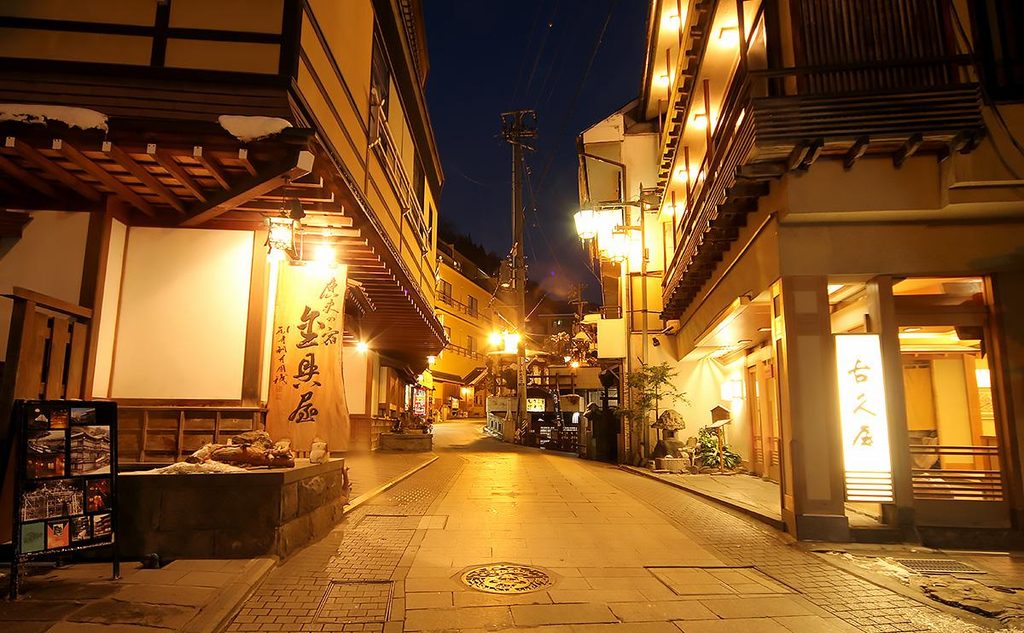
After watching Japanese macaques relax in their steaming mountain pool, you might find yourself wishing for a hot spring bath of your own.
Fortunately, the perfect place is nearby.
Shibu Onsen is a historic hot spring town where narrow stone-paved streets wind between traditional wooden inns, steam rises from natural springs, and visitors stroll through the evening wearing yukata robes and wooden geta sandals.
Its hot spring history is said to stretch back more than 1,300 years. Over the centuries, travelers, monks and pilgrims stopped here to rest, including those making journeys to Zenko-ji Temple.
Today, the town still preserves much of that old-world atmosphere.
But Shibu Onsen has something more unusual than its picturesque streets.
It has nine traditional public baths — and a centuries-old bathing tradition connected with good fortune.
The Nine Baths and the Tradition of Washing Away Hardship
Shibu Onsen’s nine public bathhouses, known as sotoyu, are scattered throughout the town.
Each has its own name, character and hot spring source. Rather than modern spa complexes, these are small, traditional communal baths used by local residents and guests staying in the town.
According to local tradition, visiting all nine baths is believed to help wash away misfortune and bring good luck.
The idea even has a linguistic connection: the Japanese word ku can refer to both the number nine and suffering, depending on how it is written.
Visitors taking part in the nine-bath tradition can purchase a special prayer towel and collect stamps outside each bathhouse.
The journey traditionally concludes with a visit to Shibu Takayakushi, where a final stamp marks completion of the pilgrimage.
It is a charming example of how bathing, community life and spiritual beliefs have become intertwined in Japanese culture.
But there’s an important rule visitors should understand before arriving.
The complete nine-bath experience is reserved for people staying overnight in accommodation within Shibu Onsen. Participating inns lend their guests a special key that unlocks the bathhouses.
If you’re visiting for just a few hours, you cannot simply enter all nine baths.
There is, however, one excellent option.
Visiting for the Day? Try Oyu, Bath Number Nine
Shibu Oyu, the ninth and largest traditional public bath, welcomes day visitors for a fee.
Inside, you’ll find a simple bathing experience rather than a luxurious spa. Its appeal lies in the historic atmosphere and naturally heated mineral water.
The water can be extremely hot, so enter slowly and test the temperature carefully.
As of this guide’s preparation, adult admission is ¥800 and children’s admission is ¥500. The published daytime visiting window is generally 10:00 AM–5:00 PM, although access can begin later on some weekdays or change for cleaning.
Buy your admission ticket at the Shibu Onsen tourist information center or a participating nearby inn, then follow the instructions for having the bathhouse unlocked.
An easier alternative: If you’d rather avoid a full bath, try the free Nofutomaru footbath above Oyu. It’s a pleasant way to experience the hot spring atmosphere without changing clothes.
Onsen Etiquette: What First-Time Visitors Should Know
If you’ve never visited a traditional Japanese onsen, a few customs may surprise you.
Most communal baths are separated by gender, and visitors bathe without swimsuits.
Before entering the shared water, rinse your body thoroughly. Unlike many modern spas, Shibu Onsen’s traditional public baths do not provide showers, shampoo or body wash. Bring your own towels and follow the local bathing instructions.
Keep towels and hair out of the bathwater. Speak quietly, respect other guests’ privacy and leave cameras and phones outside the bathing area.
Travelers with tattoos should check the policy of their chosen bath or accommodation in advance. Rules vary between establishments.
One particularly important safety detail: Shibu Onsen’s water comes directly from very hot natural sources. Avoid long periods in excessively hot water, take breaks and stay hydrated. Do not bathe after drinking alcohol.
The aim is to relax, not to prove how much heat you can tolerate.
Is Staying Overnight in Shibu Onsen Worth It?
If your schedule allows an extra night, this is where the experience becomes especially memorable.
Imagine checking into a traditional ryokan, changing into a cotton yukata and stepping out into the narrow streets as the lanterns begin to glow.
You might visit several neighborhood bathhouses, enjoy a Japanese-style dinner and return to your room to sleep on a futon laid over tatami flooring.
Depending on your accommodation, dinner may include regional ingredients and seasonal dishes prepared in the traditional Japanese style.
Not every ryokan offers the same facilities or meals. Some have private baths, while others focus on shared bathing areas. Check the room arrangements, meal plan, tattoo rules and access to the nine public baths before booking.
For travelers who want to experience traditional Japanese hospitality rather than simply visit another attraction, a night in Shibu Onsen can be one of the highlights of the Nagano region.
How to Combine Shibu Onsen with Snow Monkey Park
Shibu Onsen is close enough to Jigokudani Snow Monkey Park to make a combined visit possible.
After leaving the monkey park, walk back along the forest trail to the Snow Monkey Park bus stop.
From there, take a suitable local bus toward Shibu Onsen or Yudanaka, checking the current route and timetable. The bus journey to Shibu Onsen itself is short, but remember that you must first complete the forest walk.
Once you arrive, allow approximately 1–2 hours to explore the streets, try a footbath or enjoy Oyu if it’s open.
To return to Nagano City, travel onward to Yudanaka Station and take the Nagano Dentetsu railway back toward Nagano Station.
If you’re planning to bathe at Oyu, visiting the monkey park early in the day is especially important. You don’t want to arrive after the day-use bathing hours have ended.
For a two-day Nagano itinerary: Visiting Shibu Onsen after the snow monkeys is an optional addition, best suited to travelers with enough time before their return journey.
For a slower trip: Consider spending an extra night in Shibu Onsen. This gives you time for the traditional bathhouse experience without rushing to catch an evening train.
Official visitor information: https://shibuonsen.net/en/
And perhaps that’s what makes this part of Nagano so memorable.
In one day, you can watch wild monkeys enjoying the warmth of a mountain spring, then discover how generations of Japanese people have built rituals, stories and an entire way of life around the very same natural gift.
Before You Go: Costs, Seasons and Mistakes Worth Avoiding
A memorable trip to Nagano doesn’t require an extravagant budget. But a little planning can make the difference between a relaxed mountain adventure and a day spent worrying about train connections, unexpected expenses or slippery forest paths.
Before packing your bags, here are the details that matter most.
How Much Does a Two-Day Trip to Nagano Cost?
Nagano can accommodate different travel styles, from simple station-area hotels and inexpensive noodle shops to traditional temple accommodation and ryokan stays.
The biggest fixed expenses for visitors arriving from Tokyo are usually the Shinkansen and transportation to the snow monkeys.
Here are some useful price references for planning.
| Expense | Approximate adult cost |
|---|---|
| Tokyo–Nagano Shinkansen | ¥7,920–¥8,450 one way |
| Zenko-ji Inner Sanctuary | ¥800 |
| Nagano–Snow Monkey Park by train and local bus | Around ¥4,100 return, using published limited-express and bus fares |
| Snow Monkey Park admission | ¥800 until November 30, 2026 |
| Snow Monkey Park admission from December 1, 2026 | ¥880 online or ¥1,000 at the gate |
These figures are planning references, not a fixed package price. Train fares depend on the service and seating arrangements, while transport and attraction prices can change.
Accommodation, meals, optional workshops and onsen visits are additional expenses.
A useful money-saving tip: Before buying separate train, bus and park tickets, check whether a Snow Monkey Pass is available for your travel date.
Depending on the version, these passes can combine transportation and admission. However, they are seasonal, have different route conditions and may not be sold during October and November.
Always compare the current pass conditions with the cost of buying separate tickets. And if a pass already includes park admission, don’t buy another entrance ticket unnecessarily.
For Shinkansen bookings, use JR East’s official reservation service to compare train times, seating options and any applicable advance-booking offers.
Which Season Should You Choose?
Here’s something worth understanding before choosing your dates: the best season depends on the experience you want, not just the weather.
If your dream is to photograph Japanese macaques relaxing in a steaming pool surrounded by snow, winter offers the strongest opportunity.
But winter also brings icy paths, shorter daylight hours and increased visitor numbers.
Spring is rewarding for travelers who enjoy wildlife behavior and milder conditions. The landscape gradually turns green, and you may have opportunities to observe young monkeys with their mothers.
Summer reveals a different side of Nagano, with lush mountain scenery and fewer reasons for the monkeys to seek the warmth of the pool.
Autumn can be beautiful for its forest colors, but it also brings less predictable monkey appearances. The animals may spend more time feeding in the surrounding mountains.
In every season, remember that this is a wildlife encounter. There is no guaranteed bathing schedule.
My suggestion: Choose winter if seeing monkeys in hot springs is your priority. Choose spring or the greener months if you are more interested in observing macaque behavior without expecting the famous snowy scene.
And if the monkeys are the main reason for your journey, check the park’s recent appearance reports before committing to a particular day.
Five Planning Mistakes That Can Spoil the Experience
1. Assuming the Snow Monkey Park is next to the bus stop
It isn’t. Visitors must still complete the forest walk, which takes approximately 35 minutes each way under normal conditions.
Allow extra time in winter, and don’t wear ordinary city shoes on icy paths.
2. Planning everything around a photograph
The monkeys may not enter the water. Sometimes they don’t appear at the park at all.
Approach Jigokudani as an opportunity to observe fascinating wild animals, not as a guaranteed photographic attraction.
3. Leaving the mountain excursion too late
Between transportation, walking, observation and possible delays, the monkey park can occupy a substantial part of the day.
The park normally closes at 4:00 PM from November through March. During the colder months, an early departure from Nagano is particularly sensible.
4. Confusing the different buses
Not every bus heading toward Shiga Kogen stops at the Snow Monkey Park entrance.
Check the specific Snow Monkey Park service, departure point and return timetable. Seasonal transport arrangements can change.
If you’re combining the park with Shibu Onsen, confirm your onward connection before leaving Nagano.
5. Expecting every hot spring to welcome day visitors
Traditional onsen towns often have different arrangements for overnight guests and casual visitors.
At Shibu Onsen, the complete nine-bath circuit is associated with staying at a participating local inn. Day visitors have more limited bathing options.
Check the rules before building your afternoon around a particular bathhouse.
Should You Explore Independently or Book a Guided Tour?
Both approaches can work well.
Independent travel is ideal if you enjoy organizing your own journey, want flexibility and feel comfortable navigating Japanese train and bus connections.
You’ll be able to linger at Zenko-ji, choose your own food stops and decide how much time to spend watching the monkeys.
A guided excursion may suit you better if you have limited time, prefer transportation to be arranged or want a guide to explain the cultural and historical background of the places you visit.
Some Nagano excursions combine the Snow Monkey Park with Zenko-ji, regional food or sake experiences.
But don’t choose a tour simply because it includes more stops.
Compare the actual itinerary, travel time, walking requirements, park admission, meal arrangements and cancellation conditions. A well-paced experience is usually more satisfying than an overcrowded schedule.
See Nagano’s Highlights in One Day — Without Planning Every Connection
Short on time? This guided day tour brings together Zenko-ji Temple, a local sake tasting and the famous Jigokudani Snow Monkey Park.
An English-speaking guide accompanies the experience, with transportation between activities, lunch and Snow Monkey Park admission included. Paid admission areas at Zenko-ji and Shinkansen tickets are not included.
Free cancellation up to 24 hours before the tour. Reserve Now & Pay Later is available.
Explore the Nagano Snow Monkeys & Zenko-ji Day Tour
Frequently Asked Questions About Visiting Nagano
Can you visit Nagano as a day trip from Tokyo?
Yes. The Hokuriku Shinkansen makes a day trip possible.
However, combining Zenko-ji, the snow monkeys and additional experiences in a single day requires careful timing. Staying overnight creates a more comfortable itinerary.
Do the snow monkeys bathe all year?
No. The hot spring is most attractive to them during cold weather, especially winter. Watching the monkeys bathe is never guaranteed.
Is the Snow Monkey Park suitable for young children?
Families can visit, but the forest trail requires appropriate footwear and supervision. The unpaved route, steps and seasonal ice make strollers impractical.
Can visitors swim with the monkeys?
No. The pool is exclusively for the macaques. For a human hot spring experience, explore accommodation or day-bathing options around Yudanaka and Shibu Onsen.
Is Nagano worth visiting without snow?
Absolutely. Zenko-ji’s religious traditions, regional cuisine, mountain scenery and fascinating macaque behavior can all be enjoyed outside the snowy season.
What changes is the atmosphere — and the likelihood of seeing monkeys in the water.
Should you spend one or two nights in Nagano?
One night allows for a practical two-day introduction if your arrival and departure times work well.
Two nights offer a more relaxed pace and the possibility of enjoying additional cultural or onsen experiences.
Useful Official Resources for Your Trip
For the most reliable last-minute information, keep these websites handy:
- JR East: https://www.jreast.co.jp/en/ — Shinkansen reservations and railway information.
- Jigokudani Snow Monkey Park: https://en.jigokudani-yaenkoen.co.jp/ — tickets, opening information, monkey appearances and live camera.
- Zenko-ji Temple: https://www.zenkoji.jp/en/ — admission, ceremonies and visitor information.
- Go Nagano: https://www.go-nagano.net/en/ — regional travel information.
- Shibu Onsen: https://shibuonsen.net/en/ — traditional accommodation, bathhouse customs and visitor guidance.
Final Thoughts: The Nagano You’ll Remember
You may arrive in Nagano dreaming of one unforgettable moment: a snow monkey closing its eyes in a steaming mountain pool.
But perhaps the memory that stays with you will be different.
The unexpected silence of a dark corridor beneath an ancient temple. The warmth of a freshly grilled oyaki. A conversation with a local shopkeeper. Or the sound of water flowing through the narrow streets of an old onsen town.
These are the experiences that make Nagano more than a stop on a Japan itinerary.
The snow monkeys may be what brings you here.
Everything else might be what makes you want to return.
Your Nagano Story Is Waiting to Happen
From unforgettable wildlife encounters to hidden local traditions, there’s still so much to discover. Explore our handpicked experiences and find the one that will make your journey truly yours.
Affiliate Disclosure: This guide contains affiliate links, including links to Viator experiences. If you book through these links, Buildward Lab may earn a commission at no additional cost to you. We only recommend experiences that we believe may add value to your trip.