
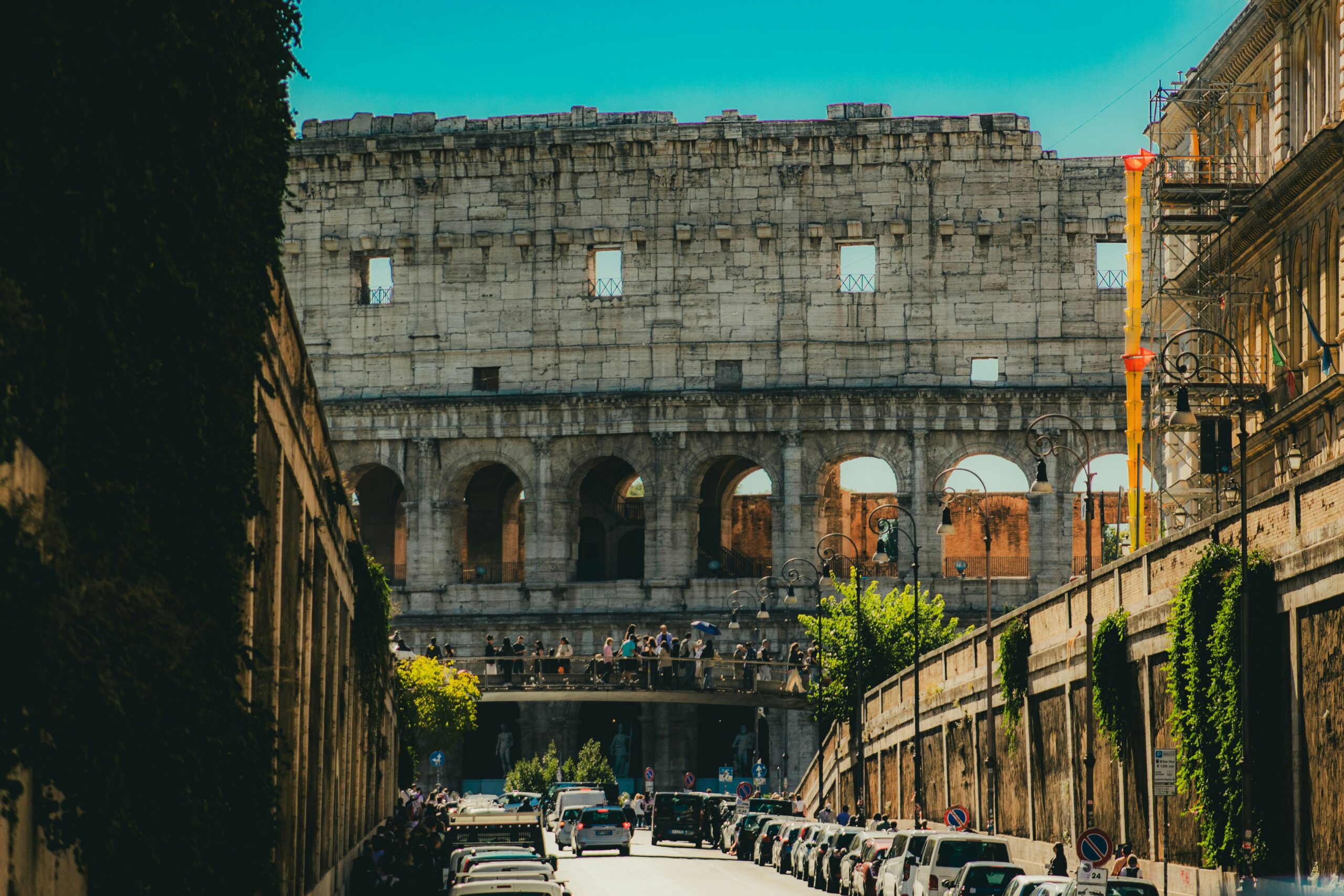
Planning your first trip to Rome can feel surprisingly complicated. Which airport should you fly into? What is the easiest way to reach the city? Where should you stay? Which attractions need advance tickets, how much should you budget, and how much can you realistically fit into a few days?
This guide brings those decisions together in one place. It is designed for first-time visitors who want a practical starting point — from arriving in Rome and getting around the city to booking the major sights, planning a realistic itinerary, understanding key costs, and avoiding common mistakes.
How Many Days Do You Need in Rome?
For a first visit, three full days is a practical minimum if you want to see Rome’s major highlights without turning the trip into a race. Four days gives you noticeably more flexibility, especially if you want time for museums, longer meals, neighbourhood walks, or simply a slower pace.
A one-day visit can cover a small selection of highlights, while two days is possible but demanding. The key is to group sights geographically rather than crossing the city repeatedly. Ancient Rome, the Vatican area, and the historic centre each deserve enough time to explore without constantly watching the clock.
Which Rome Airport Are You Flying Into?
Rome has two main passenger airports: Leonardo da Vinci–Fiumicino Airport (FCO), the city’s main international airport, and Ciampino Airport (CIA), which is also used by low-cost carriers. Check which airport appears on your booking before deciding how you will reach your accommodation, because the transport options and costs are different.
Fiumicino Airport to Rome: Which Option Makes Sense?
Leonardo Express: The Simplest Option for Termini
The Leonardo Express is a non-stop train between Fiumicino Airport and Roma Termini. The journey takes about 32 minutes and the standard fare is €14 per person. Trains normally run at frequent intervals, making this one of the simplest options if you are staying near Termini or can easily continue to your accommodation from there.
If you are travelling as a family or small group, check the available group and child fares before buying separate tickets. The best-value option can change depending on how many people are travelling together.
FL1 Regional Train: Better for Some Parts of Rome
The Leonardo Express is not automatically the best choice for every traveller. The FL1 regional train connects Fiumicino Airport with several stations across Rome, including Roma Trastevere, Ostiense and Tiburtina, rather than terminating at Termini. Depending on where you are staying, this can reduce unnecessary transfers and make the overall journey easier.
Buildward Lab tip: Do not choose your airport transfer based on price alone. Check the exact location of your accommodation first. A slightly different train or transfer can save you an extra connection, a long walk with luggage, or unnecessary time after your flight.
Taxi: When Paying More Can Make Sense
Official white taxis have a fixed fare of €55 from Fiumicino Airport to destinations within Rome’s Aurelian Walls. The fare applies to the vehicle rather than per passenger and includes supplements covered by the fixed-fare rule. Travel time is typically around 40–50 minutes, although traffic can make the journey longer.
For one traveller, the €14 Leonardo Express will usually be much cheaper. For a group, however, the comparison changes. If several people are travelling together with luggage and the accommodation is within the fixed-fare zone, the extra cost of a taxi may be reasonable in exchange for a direct door-to-door journey.
Ciampino Airport to Rome: Budget vs Convenience
Ciampino Airlink: The Low-Cost Option
Ciampino Airlink combines a bus from the airport terminal to Ciampino railway station with a train onward to Roma Termini. The combined ticket costs €2.70 per person, making it one of the lowest-cost ways to reach central Rome. The bus journey to Ciampino station takes about 10 minutes, after which you continue by train to Termini.
Taxi: The Simpler Door-to-Door Option
Official white taxis have a fixed fare of €40 from Ciampino Airport to destinations within Rome’s Aurelian Walls. The fare applies to the vehicle, not per passenger. The journey can take around 30 minutes in favourable traffic, but you should allow extra time when roads are busy.
Where to Stay in Rome for Your First Visit
Centro Storico: Best for Walking to the Classic Sights
Centro Storico puts you close to many of Rome’s most recognisable sights, including the Pantheon, Piazza Navona and Trevi Fountain. It is a strong choice if you want to explore much of central Rome on foot and value location over saving on accommodation. The trade-off is that this convenience can come with higher prices and busier surroundings.
Monti: Convenient for Ancient Rome
Monti is a practical base if the Colosseum, Roman Forum and Ancient Rome are high on your list. It combines a central location with easy access to major archaeological sights, while still giving you restaurants, cafés and neighbourhood streets to explore beyond the main attractions.
Prati: Practical for the Vatican
Prati is a useful base if visiting Vatican City is one of your main priorities. It offers convenient access to the Vatican Museums and St Peter’s Basilica, while feeling somewhat removed from the busiest parts of the historic centre. It can be a good compromise if you want Vatican access without staying directly among the most tourist-heavy streets.
Trastevere: Best for Evening Atmosphere
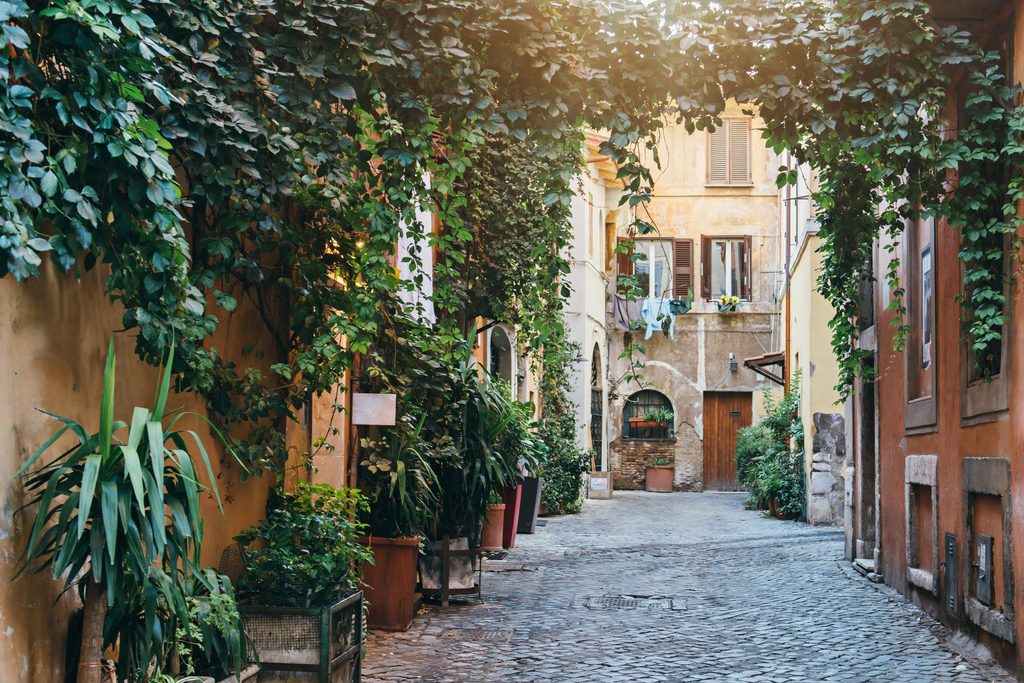
Trastevere is a good choice if evening atmosphere, restaurants and neighbourhood character matter as much as being close to the major sights. It is lively and attractive, but it is not necessarily the most convenient base for every first-time itinerary. Choose it for the experience of the neighbourhood, not simply because it is popular.
Termini Area: Best for Transport Connections
The area around Roma Termini can be practical for travellers who prioritise transport connections, especially if Rome is part of a longer Italy trip. It can also offer more budget-oriented accommodation than some central areas. However, choose your accommodation by the exact street and surroundings rather than booking simply because it is close to the station.
How to Get Around Rome
Walking: Often the Best Way to See Central Rome
For the historic centre, walking is often the most rewarding way to get around. Many major sights are relatively close to one another, and walking lets you discover streets, piazzas, fountains and smaller details that you would miss from a vehicle. Wear comfortable shoes and allow more time than a map alone might suggest — Rome’s historic streets are part of the experience.
Public Transport: When You Need to Go Further
Rome’s public transport system includes buses, trams, metro and urban rail services. For occasional travel, the standard BIT ticket costs €1.50 and is valid for 100 minutes. You can also use contactless Tap & Go at metro gates and on participating surface services. For visitors making several journeys, 24-, 48- and 72-hour tickets are available.
Information checked and updated: September 2026
As of September 2026, ATAC also offers unlimited travel tickets for 24 hours (€8.50), 48 hours (€15) and 72 hours (€22). These can be useful if you expect to make several public-transport journeys, but they are not automatically the cheapest choice for every three-day visit. Compare the pass price with the number of journeys you actually expect to make.
Tap & Go: Useful for Occasional Journeys
As of September 2026, ATAC’s Tap & Go system lets you pay for eligible public-transport journeys directly with a contactless bank card or supported device, without buying a paper ticket first. If you are making occasional journeys, this can be more convenient than planning every individual ticket in advance. Use the same payment device throughout your trip so the system can apply the appropriate fare rules.
What Should You Book Before You Arrive?
Colosseum: Book a Timed Entry in Advance
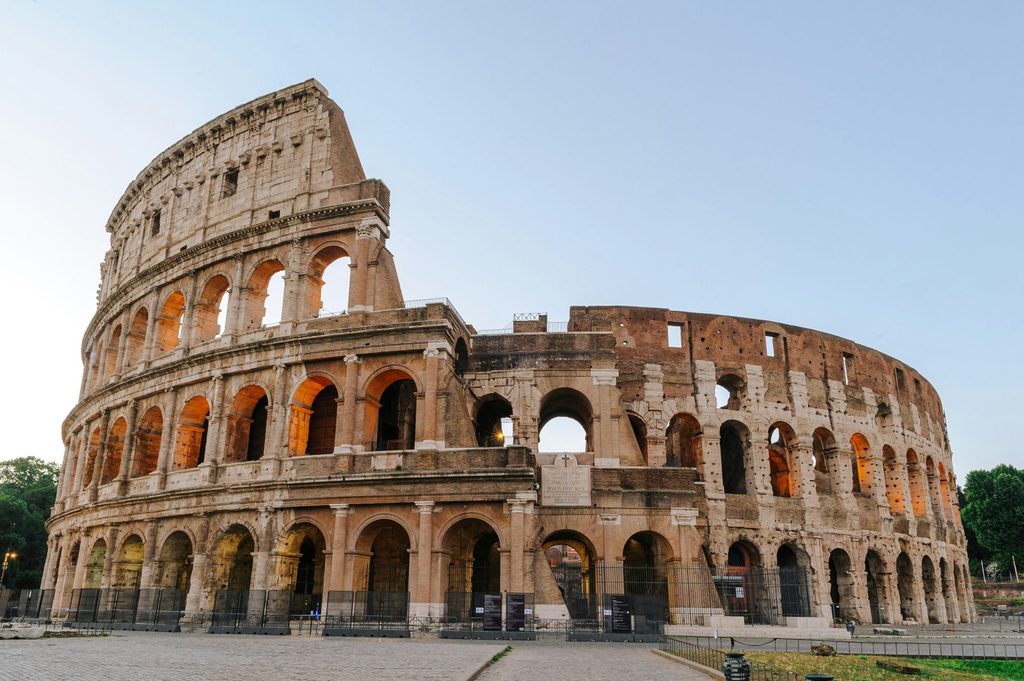
As of September 2026, the standard official Colosseum ticket covering the Colosseum, Roman Forum and Palatine Hill costs €18. Entry to the Colosseum is tied to a specific time slot, and official ticket sales open 30 days before the visit. If the Colosseum is a priority, do not leave this booking until the day you arrive in Rome.
Vatican Museums: Reserve Your Entry
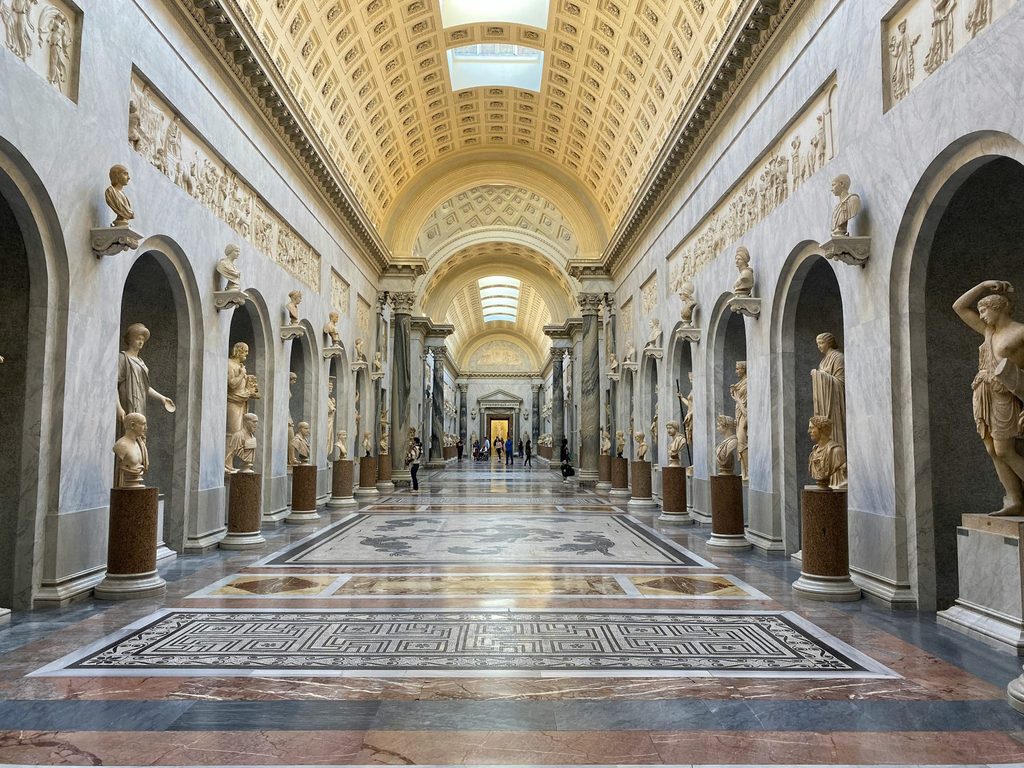
As of September 2026, standard admission to the Vatican Museums and Sistine Chapel costs €20. Booking through the official Vatican Museums website adds a €5 online reservation fee, bringing the standard advance-booking cost to €25. For a first visit, reserving a time in advance is a sensible choice rather than relying on same-day availability.
Buildward Lab tip: Use the official Vatican Museums ticket portal when checking standard admission. The Vatican Museums warn visitors about websites that imitate official channels, so always verify that you are using the genuine booking source before entering payment details.
Prefer a Guided Visit with Skip-the-Line Access?
If you would rather explore the Vatican Museums and Sistine Chapel with a licensed guide, this guided tour offers skip-the-line ticket access, helping you avoid the regular ticket queue. Headsets are included so you can follow the commentary more easily.
Important: Access to St. Peter’s Basilica depends on the booking option selected. All visitors must still pass mandatory security checks, and access may be restricted during religious events.
Explore the Vatican Museums & Sistine Chapel Guided Tour →
Pantheon: No Longer Free for Most Visitors
As of September 2026, standard admission to the Pantheon costs €7. Reduced admission is €2 for eligible EU citizens aged 18–25, while visitors under 18 enter free. Entry is also free on the first Sunday of the month, although those days can attract heavier visitor numbers.
Prefer an Audio Guide? If you’d like more context while exploring the Pantheon independently, consider the Rome Pantheon Entry Ticket with Audio Guide. This option includes admission, a multilingual audio guide, and assistance at the meeting point. It costs more than the standard official ticket, so compare both options before booking.
Check the Pantheon Entry Ticket with Audio Guide on Viator.
Trevi Fountain: Know About the New 2026 Entry Fee
As of September 2026, tourists and non-residents pay €2 to enter the inner perimeter closest to the Trevi Fountain. The fee, introduced in February 2026, applies to the controlled area near the fountain rather than simply being in the surrounding square. Rome residents remain exempt.
St Peter’s Basilica and the Vatican Museums Are Not the Same Visit
A common first-time mistake is treating St Peter’s Basilica and the Vatican Museums as one attraction. They are separate visits with different entrances and planning requirements. The Vatican Museums include the Sistine Chapel and require a museum ticket, while St Peter’s Basilica has its own entrance and security process.
As of September 2026, St Peter’s Basilica is open daily from 7:00 AM to 8:00 PM, with last entry normally at 7:15 PM. Access can still be affected by security procedures, religious celebrations and visitor flow, so allow extra time rather than planning a tight schedule around your visit.
Dress code matters: St Peter’s Basilica requires appropriate clothing. Shoulders should be covered, and very short skirts or shorts may prevent entry. Plan your clothing before heading to the Vatican, especially during Rome’s hot summer months.
Booking tip: If you choose a guided tour combining the Vatican Museums, Sistine Chapel and St Peter’s Basilica, check exactly what your selected ticket option includes. Basilica access is not included in every tour option and may be affected by religious ceremonies or unexpected closures. Skip-the-line admission also does not eliminate mandatory security checks.
A Realistic 3-Day Rome Itinerary for First-Time Visitors
Day 1: Ancient Rome and the Historic Centre
Start with the Colosseum at your reserved entry time, then continue through the Roman Forum and Palatine Hill. These sights belong naturally together, so keeping them in the same part of the day avoids unnecessary travel across Rome. Allow several hours for the archaeological area rather than treating the Colosseum as a quick photo stop.
Later in the day, move toward the historic centre and explore a compact route through sights such as the Pantheon, Piazza Navona and Trevi Fountain. Keeping these stops together makes much more sense than trying to combine them with the Vatican. Leave some unplanned time for walking, a meal or simply stopping in the streets and piazzas along the way.
If your visit to the Colosseum, Roman Forum and Palatine Hill takes longer than expected, don’t rush through the historic centre. Save the Pantheon or Piazza Navona for Day 3 instead. Rome is more rewarding when you have time to appreciate each stop rather than simply tick it off a list.
Day 2: Vatican Museums and St Peter’s Basilica
Reserve a morning time slot for the Vatican Museums and allow several hours for the visit rather than planning it as a quick stop. The museums are extensive, and the Sistine Chapel comes toward the end of the main visitor route. Afterward, continue to St Peter’s Basilica, allowing additional time for walking between the entrances and passing through security.
Avoid packing too many additional major attractions into this day. If you still have energy after the Vatican, use the late afternoon or evening for a slower walk, dinner, or exploring the nearby Prati area rather than racing across Rome to complete another checklist.
Day 3: A Slower Rome — Neighbourhoods, Views and What You Missed
Use the third day to slow the pace and fill the gaps left by your first two days. You might spend time in Trastevere, return to part of the historic centre you only passed through, or choose one additional attraction that genuinely interests you rather than adding several more simply because they are famous.
This is also a good day to leave room for the Rome you discover while you are there. A realistic itinerary should give you enough structure to avoid wasting time, but not schedule every hour. If something caught your attention during the first two days, use this time to go back rather than forcing another major attraction into the trip.
What Will a First Trip to Rome Actually Cost?
Rome does not have one meaningful “daily budget” that fits every traveller. Accommodation, food and personal spending can vary enormously, so it is more useful to separate the costs you can verify in advance from the ones that depend on your travel style. As of September 2026, several important transport and attraction costs can already be built into your plan.
Major Sight Costs to Know in 2026
As of September 2026, standard adult admission is €18 for the Colosseum, Roman Forum and Palatine Hill, €20 for the Vatican Museums (€25 when using the official online reservation), and €7 for the Pantheon. Access to the controlled inner area of the Trevi Fountain costs €2 for tourists and non-residents. These prices do not include optional guided tours or other upgraded experiences.
Transport Costs to Build Into Your Budget
As of September 2026, a standard Rome public-transport ticket costs €1.50 and is valid for 100 minutes. Unlimited passes cost €8.50 for 24 hours, €15 for 48 hours and €22 for 72 hours. From Fiumicino Airport, the Leonardo Express costs €14 per person, while an official taxi to destinations within the Aurelian Walls has a fixed fare of €55. From Ciampino Airport, the Ciampino Airlink costs €2.70 per person and the corresponding fixed taxi fare is €40.
Where You Can Save Money in Rome Without Making the Trip Harder
Do not automatically buy a transport pass. Rome’s historic centre is highly walkable, and many first-time visitors use public transport less than they expect. Compare the €22 price of a 72-hour pass with the number of €1.50 journeys you are realistically likely to make. If you mainly walk and use transport occasionally, paying per journey may cost less.
Carry a refillable water bottle. Rome has almost 2,500 public drinking fountains, known as nasoni, including more than 200 in the historic centre. They provide the same municipal drinking water supplied to homes, so buying bottled water throughout the day is often unnecessary.
Compare airport taxis per vehicle, not per person. A taxi may look expensive beside a train ticket, but the calculation changes for a group. For example, the fixed €55 Fiumicino fare shared by four travellers is €13.75 each — slightly less than four separate €14 Leonardo Express tickets — while also providing a direct journey to accommodation within the fixed-fare zone.
Check official ticket prices before paying a reseller. Third-party booking platforms can be useful when they provide a genuine extra benefit, such as a guided experience or a difficult-to-find time slot, but they may also cost more than standard admission. Knowing the official price first makes it much easier to judge whether the extra cost is actually buying you something useful.
Eating in Rome: What First-Time Visitors Should Know
Rome has several dishes strongly associated with the city, including cacio e pepe, carbonara, amatriciana and gricia, as well as supplì for a quicker snack. You do not need to build your trip around a list of famous restaurants to eat well. For a first visit, it is more useful to understand what is genuinely Roman and then choose places that fit naturally into your itinerary.

Choose restaurants around your route, not the other way around. Rome is large enough that crossing the city for every highly rated restaurant can waste valuable sightseeing time. Look for a promising place near the neighbourhood you are already exploring, check the menu and recent reviews, and be cautious when a restaurant relies heavily on people outside trying to pull tourists in.
Common First-Time Mistakes in Rome
Trying to see too much in one day. Rome looks compact on a map, but major sights take time — especially once timed entries, security checks, queues, meals and walking are included. Group attractions by area and leave some breathing room between them. A shorter itinerary that actually works is more useful than an ambitious checklist you spend the whole day chasing.
Leaving major tickets until the last minute. The Colosseum uses timed entry, and popular Vatican Museums slots can become difficult to secure. Decide which major attractions matter most before your trip and book those first. You can keep the rest of the itinerary flexible around those fixed times.
Choosing airport transport before checking your accommodation location. Termini is not the best arrival point for every traveller. Depending on where you are staying, the FL1 regional train, a taxi or another connection may save you an unnecessary transfer. Always compare the complete door-to-door journey, not just the first ticket price.
Being careless in crowded tourist areas. Rome is a busy major city, and crowded transport hubs and famous attractions require normal big-city awareness. Keep valuables secure, be cautious with unsolicited offers, and do not hand money or personal belongings to strangers who approach you with unexpected “help.”
When Is a Guided Tour Actually Worth It in Rome?
A guided tour is not automatically better than visiting independently. It makes the most sense when the added cost solves a real problem — helping you understand a complex historic site, combining several experiences efficiently, reducing planning effort, or giving you access to an experience that would be difficult to organise on your own. For straightforward sights that you can comfortably visit independently, paying extra may add little value.
Buildward Lab tip: Before booking any tour, compare what is included, the meeting point, duration, group size and cancellation terms — not just the headline price. A more expensive option can sometimes offer better value, but only when the additional convenience or experience justifies the difference.
Rome 2026: Important Updates to Know Before You Go
This guide was researched and checked in September 2026. Several practical details in Rome changed during 2026, including the €2 controlled-access fee at the Trevi Fountain, the €7 standard Pantheon ticket, updated opening hours at St Peter’s Basilica, and current public-transport fares. Because ticket rules, prices and opening hours can change again, always confirm time-sensitive details with the official operator or attraction before your trip.
Final Thoughts: Plan the Decisions, Not Every Minute
A good first trip to Rome does not require scheduling every hour. The important decisions are simpler: know which airport you are using, choose a practical base, book the few attractions that genuinely require advance planning, group your days geographically, and understand the main costs before you arrive. Once those pieces are in place, leave enough space to actually experience the city rather than simply moving from one reservation to the next.
Discover More Things to Do in Rome
More Practical Rome Planning Is Coming
This guide is only the beginning. Next, we’ll go deeper into the practical side of visiting Rome — from arriving in the city and choosing the right transport to planning your time realistically, understanding costs, finding ways to save, and avoiding common mistakes.
Coming Next: Rome on a Budget: Where to Eat, What’s Free & When to Spend More
Your Rome Adventure Starts Here
Ready to turn your Rome plans into a real adventure?
Whether you’re exploring more of Italy or looking for memorable things to do in Rome, we’ve gathered a little extra inspiration to help you along the way.
Take a look, find what excites you, and make the trip your own.