

Why Porto Deserves a Place on Your Travel List
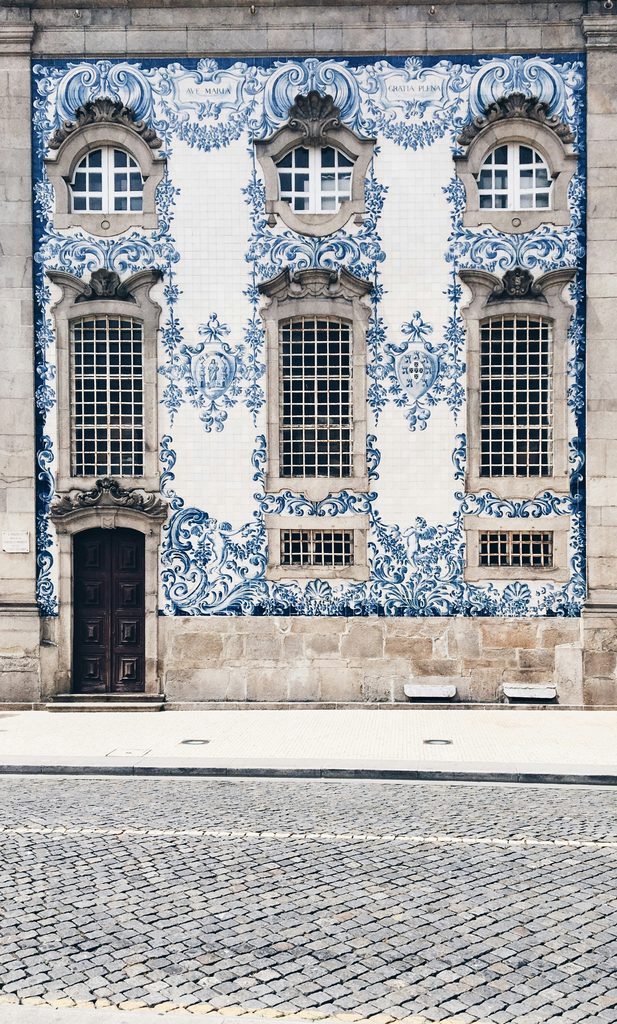
Porto is the kind of city that rewards travelers who slow down. Its historic center rises above the Douro River in layers of narrow streets, tiled façades, viewpoints, churches, markets and everyday neighborhoods, while Vila Nova de Gaia stretches across the river with its famous port wine cellars.
But Porto’s appeal goes beyond its postcard views. It is a city where many of the most memorable experiences cost little or nothing: walking along the Douro, crossing the Luís I Bridge, watching the city from a hillside viewpoint, exploring local markets or simply getting lost in streets shaped by centuries of history.
For independent travelers, Porto has another advantage: it is relatively easy to organize without a car. The airport is connected to the city by metro, many major sights can be combined on foot, and public transport can fill the gaps when Porto’s hills start to make those short distances feel much longer.
That combination — atmosphere, history, walkability and the ability to enjoy the city without paying for attraction after attraction — makes Porto especially rewarding for travelers who want a memorable European trip without turning every day into an expensive checklist.
How Many Days Do You Really Need in Porto?
For most first-time visitors, two to three full days is a practical amount of time for Porto itself. Two days can cover the historic center, Ribeira, Vila Nova de Gaia and several of the city’s major viewpoints without turning the trip into a race. A third day gives you more freedom to explore beyond the obvious highlights — perhaps heading towards Foz and the Atlantic, spending longer over food and markets, or simply enjoying Porto at a slower pace.
If you only have one day, Porto is still worth visiting, but you will need to be selective. The city’s steep streets and changes in elevation mean that an itinerary that looks compact on a map can take more time and energy than expected.
If you have four days or more, Porto also becomes a useful base for exploring beyond the city. The Douro Valley is one of the most obvious possibilities, but it should be treated as a separate experience rather than squeezed into an already busy Porto sightseeing day.
Buildward Lab tip: Don’t measure Porto only by the number of attractions you can fit into a day. Some of its best moments happen between the landmarks — along the river, at a viewpoint, inside a market or over a long meal.
Getting from Porto Airport to the City Centre
Porto is relatively straightforward to reach from the airport without arranging a private transfer. Metro Line E (Purple) connects Porto Airport with the city’s metro network, making public transport a practical choice for many independent travelers.
Trains generally run at regular intervals, although frequency varies by day and time. Before traveling, check the current timetable — especially if your flight arrives very early or late.
For many travelers, the metro will be the sensible budget option. A taxi, ride-hailing service or private transfer may be worth considering if you arrive late, are traveling with several people or heavy luggage, have limited mobility, or your accommodation makes the final metro connection inconvenient.
Buildward Lab tip: Don’t book an airport transfer automatically just because you are visiting Porto for the first time. Check your accommodation against the metro network first. You may find that getting into the city independently is both simple and considerably cheaper.
Getting Around Porto Without a Car
You do not need a car to explore Porto. In fact, for most first-time visitors, having one in the historic centre can create more problems than it solves. Many of Porto’s most interesting areas are best experienced on foot, while the metro and buses are useful when distances, hills or tired legs make walking less appealing.
Porto’s public transport uses the Andante system across the metro, buses and participating rail services. The important detail many visitors miss is validation: your Andante ticket or card must be validated when you begin a journey and again when changing lines or transport where required.
Porto is also much hillier than a map can suggest. Ribeira sits down by the Douro, while many streets, viewpoints and neighbourhoods rise sharply above the river. A route that looks short on your phone may involve a substantial climb.
Buildward Lab tip: Use walking for the experience and public transport strategically. Instead of buying the biggest transport pass automatically, first consider where you are staying and how many journeys you are realistically likely to make.
Which Porto Transport Pass Is Actually Worth It?
Porto offers several transport and visitor-pass options, but the most expensive or comprehensive pass is not automatically the best value.
For 2026, standard Andante journey prices start at €1.40 for Z2, €1.85 for Z3 and €2.30 for Z4, while 24-hour versions for the same zones cost €5.15, €6.65 and €8.30 respectively. The right ticket therefore depends on the zones you need and how often you will actually use public transport.
Visitors planning heavier use of the network can also consider Andante Tour. The 24-hour Andante Tour 1 costs €7.75, while the 72-hour Andante Tour 3 costs €16.55 and covers the Andante intermodal network. Some services, including the historic trams and Guindais Funicular, are not included.
Porto.CARD is different. It combines visitor benefits and discounts, with versions available with or without public transport. This can make sense if the attractions and services you genuinely plan to use justify the additional cost — but buying it simply because it is marketed to tourists does not guarantee a saving.
Buildward Lab tip: Write down the places you actually intend to visit before buying a pass. If most of your day will be spent walking through the historic centre, Ribeira and Gaia, paying for unlimited transport may save less money than you expect.
Where to Stay in Porto: Choose the Area, Not Just the Hotel
In Porto, choosing the right area can matter almost as much as choosing the accommodation itself. A hotel that looks close to the main sights on a map may involve steep climbs every time you return, while staying slightly farther away but near a useful metro station can make the trip easier.
Baixa and the area around Aliados and Trindade are practical choices for many first-time visitors. They offer relatively easy access to the historic centre, restaurants and public transport, while Trindade is particularly useful for metro connections.
Ribeira puts you beside the Douro and gives you one of Porto’s most atmospheric settings. The trade-off is that it can be busy and tourist-oriented, and reaching other parts of the city often means walking uphill.
Vila Nova de Gaia, across the river, can be an appealing alternative if river views and the port wine area are priorities. Just remember that crossing between Gaia and central Porto becomes part of your daily route.
Cedofeita can suit travelers who want cafés, restaurants and a more neighbourhood-oriented atmosphere while remaining within reach of the centre. For a quieter stay or easier access to the Atlantic coast, areas farther west towards Boavista and Foz may be attractive, although they are less convenient if your priority is stepping straight into the historic centre every morning.
Buildward Lab tip: Before booking, check three things on the map: the nearest useful public-transport stop, the walking route to the places you expect to visit most, and the elevation. Saving a little on the room can be a poor bargain if you spend the trip paying for extra transport or struggling with a steep return journey every evening.
What Should You Book in Advance in Porto?
Porto is a city where you can leave plenty of room for spontaneity, but a few popular experiences are easier to enjoy when planned ahead.
Livraria Lello uses timed ticketing, so if visiting the famous bookshop is important to you, booking a time slot in advance is the safer option rather than building your day around the hope of entering when you arrive.
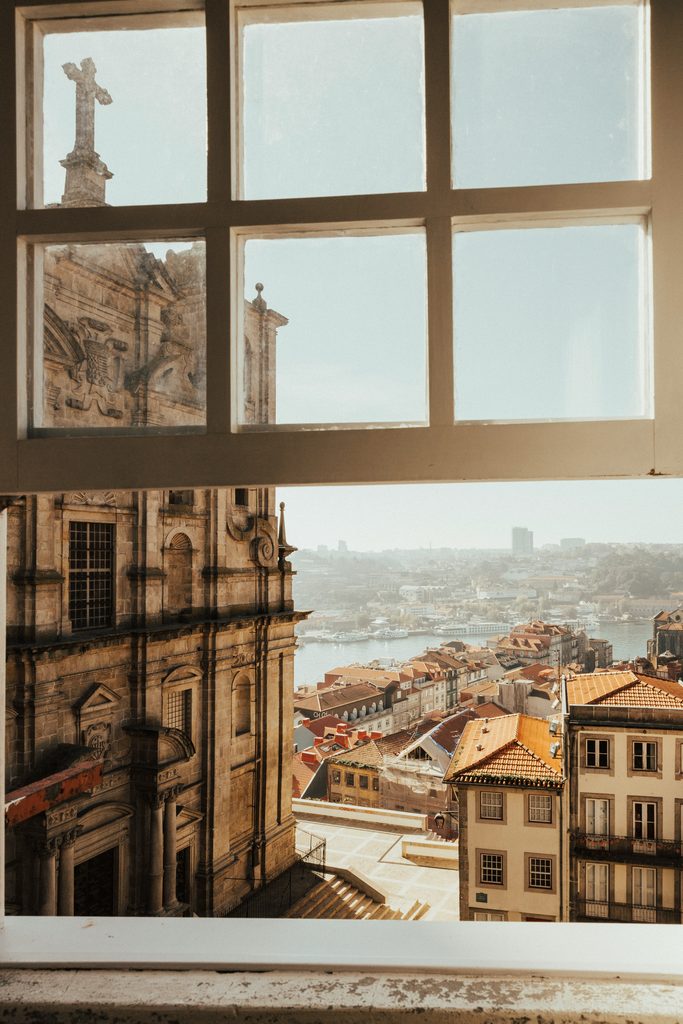
For Clérigos Tower, advance planning can also be useful during busy periods, particularly if you want to fit the climb into a carefully planned sightseeing day. Remember that reaching the top involves 225 steps, so it may not be the right paid viewpoint for every traveler.
Port wine cellar visits and tastings in Vila Nova de Gaia are another experience worth thinking about before arrival if you have a particular cellar, tour or tasting in mind. Rather than reserving several similar experiences, choose one that genuinely adds something to your trip and leave time to explore Gaia itself.
If you are planning a Douro Valley day trip, treat it as a separate planning decision. Transport, wineries, river experiences and the distances involved make it very different from simply walking around Porto. Later in this guide, we will compare when organizing the Douro independently makes sense and when a guided day trip may actually be worth paying for.
You do not need to reserve every hour of Porto. River walks, many viewpoints, neighbourhood exploration, markets and simply crossing between Porto and Gaia are experiences that benefit from having some flexibility.
Buildward Lab tip: Book the experiences where a specific time slot or limited capacity matters. Keep the rest of the trip loose enough to enjoy Porto rather than spending your days moving from one reservation to the next.
See Porto Experiences Worth Booking Ahead
How Much Does a Trip to Porto Really Cost?
Porto can work well for travelers on very different budgets, but calling it simply a “cheap destination” can be misleading. Accommodation prices change significantly with season, location and how early you book, while flights can completely change the total cost of the trip.
Once you are in the city, however, it is possible to keep daily spending under control. Many of Porto’s strongest experiences — walking along the Douro, crossing the Luís I Bridge, exploring neighbourhoods and enjoying several viewpoints and public spaces — do not require an entrance ticket.
Public transport can also remain a relatively small part of the budget if you combine walking with occasional metro or bus journeys rather than automatically buying the most comprehensive tourist pass.
Food is another area where your choices matter. Eating every meal beside the most heavily visited parts of Ribeira is unlikely to be the best strategy for either value or variety. Local markets, neighbourhood cafés, bakeries and less tourist-focused streets can become part of the experience rather than simply a way to spend less.
The biggest optional costs are more likely to come from paid attractions, port wine tastings, river cruises and organized excursions. Instead of trying to do all of them, choose the experiences that would genuinely change your trip.
A useful budgeting rule for Porto: save on the things the city gives you naturally — walking, views, atmosphere and public spaces — and spend selectively on the experiences you could not easily recreate on your own.
We will avoid giving a single “€X per day” figure because accommodation, flights and travel style vary too much for that number to be genuinely useful. Instead, the next part of this Porto guide will show how to build a realistic itinerary and where paying more — or less — can actually make a difference.
Common Mistakes First-Time Visitors Make in Porto
Porto is easy to enjoy independently, but a few planning mistakes can make the trip unnecessarily tiring or expensive.
Underestimating the hills. Distances that look short on a map can involve steep climbs. Plan geographically and use public transport strategically when it saves energy rather than forcing every journey to be on foot.
Trying to see too much in one day. Porto rewards slower exploration. Packing the historic centre, Gaia, Foz and several paid attractions into the same day usually means spending more time moving than experiencing the city.
Staying only around Ribeira. The riverfront is one of Porto’s highlights, but it is not the whole city. Baixa, Cedofeita, Bolhão, Gaia and the western side towards Foz reveal very different sides of Porto.
Forgetting to validate your Andante ticket. Having a valid ticket or card is not the same as correctly validating it. Pay attention when beginning a journey and when changing services where validation is required.
Renting a car for Porto itself. For most first-time city trips, walking and public transport are more practical. A car becomes more relevant only if your wider itinerary takes you somewhere that genuinely requires one.
Booking too many paid experiences. Porto offers a great deal simply through its streets, viewpoints, river and neighbourhoods. Choose paid attractions and experiences selectively instead of assuming that every famous place needs to be ticketed.
Treating Gaia as a quick photo stop. Vila Nova de Gaia deserves time of its own. If you plan a cellar visit or tasting, combine it with exploring the riverside and viewpoints rather than repeatedly crossing the Douro.
Buildward Lab tip: The easiest way to make Porto feel expensive and exhausting is to over-plan it. A better trip usually comes from choosing fewer priorities and organizing them intelligently.
The Best Things in Porto That Cost Little or Nothing
One of Porto’s greatest advantages is that some of its most memorable experiences do not depend on expensive tickets.
Walk across the Luís I Bridge. The bridge is not simply a way to move between Porto and Vila Nova de Gaia — crossing the Douro is part of the experience itself, with changing views of the riverfront and the two cities on either side.
Explore Ribeira on foot. The colourful riverfront is one of Porto’s most recognizable areas, but there is no need to turn the visit into a sequence of paid stops. Walk the lanes, watch the activity along the Douro and give yourself time to enjoy the setting.
Look back at Porto from Gaia. Crossing to Vila Nova de Gaia gives you a completely different perspective on Porto’s historic riverfront. You do not need to book a port tasting simply to enjoy the riverside and the views.
Find Porto’s viewpoints. Several of the city’s panoramic viewpoints can be enjoyed without paying an entrance fee. Serra do Pilar, the area around Terreiro da Sé and Passeio das Virtudes are among the places where the geography of Porto becomes much easier to understand.
Spend time in the Palácio de Cristal Gardens. The gardens offer green space and beautiful views towards the Douro and Gaia, making them a useful break from Porto’s busier streets.
Visit Mercado do Bolhão. You do not need to buy a formal food experience to get a glimpse of Porto’s everyday food culture. The restored market brings together traditional vendors, fresh produce, food and local businesses. Check current opening days and hours before visiting, particularly around Sundays and public holidays.
Follow the Douro towards the Atlantic. If you have enough time, the western side of Porto towards Foz shows a different character from the historic centre. Here the river meets the Atlantic, and walking by the water can become an experience in itself rather than another attraction to tick off.
Buildward Lab tip: Porto becomes particularly good value when you stop measuring the trip by the number of tickets you have bought. Spend on a few experiences that matter to you — and let the river, streets, viewpoints and neighbourhoods provide the rest.
Porto Independently: Is It Really Worth It?
Absolutely — and that is one of Porto’s greatest strengths.
You do not need a rental car, a fully organized package or a long list of paid attractions to have a memorable trip here. With a little planning, Porto is a city you can navigate independently, explore largely on foot and adapt to your own budget and pace.
The key is knowing where spending actually improves the experience. Pay for the places and activities that genuinely matter to you, use public transport when it saves time or energy, and take advantage of everything Porto offers naturally — the Douro, its viewpoints, neighbourhoods, markets, gardens and the simple pleasure of wandering through a city with centuries of history around you.
And independence does not mean that every experience has to be organized by yourself. A carefully chosen wine experience, river experience or day trip can sometimes add access, context or convenience that would be difficult to recreate independently. The important thing is to choose it because it improves your trip — not because you assume a tour is required.
This is where Porto becomes especially rewarding: you can keep the trip affordable without making it feel cheap.
Coming Next: How to Actually Experience Porto
Planning the logistics is only the beginning. In Part 2, we’ll turn everything in this guide into a realistic Porto trip — without trying to squeeze every famous sight into a single exhausting itinerary.
We’ll build practical two- and three-day routes, show how to combine Porto and Gaia efficiently, explore what and where to eat, include Foz and the Atlantic when time allows, and look at which paid experiences are genuinely worth considering.
We’ll also take a closer look at the Douro Valley — including whether you can organize it independently, when a guided experience may offer better value or convenience, and what to consider before choosing between the two.
The goal will remain the same: spend where it adds something meaningful, save where it doesn’t, and leave enough time to actually experience Porto.